



Reflective Winter Dog Coat vs Sweater or Raincoat: Which Layer Fits?
Compare a waterproof reflective dog coat with a sweater or raincoat for winter walks, damp weather, visibility details, layering, and comfort. A layer.
Compare the Fit
Use the table to compare the practical differences before choosing.
 This ProductReflective Winter Dog Coat |
vs | Other OptionSweater or Raincoat: Which Layer Fits |
|---|---|---|
| Cold/damp outer layer with adjustable coverage and reflective details. | Primary Job | A sweater may prioritize insulation on a dry cold day; a raincoat may prioritize rain coverage. |
| Reflective detail creates a cue when light reaches it. | Visibility | Other layers may have different visibility features or none. |
| Chest/back measurements, shoulder movement, belly comfort, and leash alignment matter. | Fit | Each garment has its own chart and layering limits. |
| Follow supplied directions, dry fully, and inspect closures and seams. | Care | A sweater or raincoat may require different care. |
Common Questions
Review the key questions before choosing.
Is a winter coat warmer than a sweater?
Not universally. The current Product has no independent warmth rating; match the layer to the dog and conditions.
Is this coat the same as a raincoat?
It is positioned as a cold/damp reflective outer layer, but an independent waterproof rating is not established.
Is reflective trim enough at night?
No. It is a visual cue when illuminated and should be paired with ordinary walking and visibility precautions.
Which layer is best?
The best layer is the one whose job, fit, care, and individual dog response line up.
The Full Answer
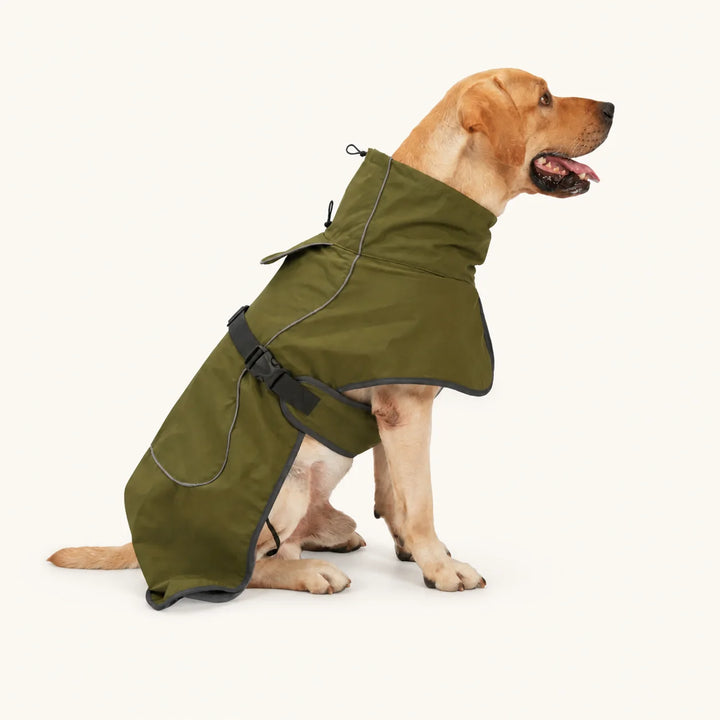
A reflective winter dog coat, a sweater, and a raincoat can all look like “dog clothing,” but they answer different questions. The useful choice starts with the weather and the dog, then moves to coverage, fit, visibility, and care. This All-Weather Reflective Dog Coat is one outer-layer option; it is not automatically warmer, drier, or better than every alternative.
Choose the job before the garment
Ask what you need on the next outing. A sweater may make sense for a dry, cold route when added insulation is the main concern. A raincoat may be the clearer choice when rain coverage is the priority. A reflective winter coat may fit a mixed cold, damp, and low-light routine where adjustable coverage and a reflective detail are useful.
The current Product information does not give an independent warmth or waterproof rating. Do not turn a category label into a temperature promise. Use the garment only within the conditions your dog can comfortably handle.
Compare coverage and comfort
An outer coat can cover more of the back and body than a simple sweater, while a sweater may feel softer or easier for a dog already used to knit clothing. A raincoat may prioritize a shell and exposed-area coverage. The right shape depends on your dog’s coat, body, movement, and tolerance.
Try the garment indoors. Your dog should walk, turn, sit, lie down, and take a few steps backward without rubbing, twisting, or changing stride. A coat that covers the back but restricts the shoulders is not a good fit.
Think about low-light visibility
The All-Weather Reflective Dog Coat includes reflective details that can create a visual cue when headlights or streetlights hit them. That can be useful at dawn, dusk, or evening, but reflective trim is not a light source and does not promise a particular viewing distance.
Keep a leash, identification, safe route, and attentive handler in the plan. Add other visibility measures when the road or weather requires them. No garment makes an unsafe route safe.
Check the fit across layers
Measure chest girth and back length before choosing XS through XXL. If your dog will wear another layer underneath, test the actual combination. A coat that fits over a thin shirt may pull when worn over a thick sweater, while a loose coat may shift during a walk.
Inspect the belly, neck, closures, and leash-access opening. Make sure the harness or collar lines up and that the leash does not drag the coat sideways. The opening doesn't guarantee compatibility with every harness or escape resistance.
Match the weather to the dog
Small, short-haired, senior, or health-sensitive dogs may respond differently to cold than a thick-coated dog, but no label can decide the outing by itself. Watch for shivering, reluctance, overheating, repeated paw lifting, or distress. End the walk when the dog’s response says the conditions are too much.
Rain and cold also expose paws, belly, and legs to salt, ice, and other hazards. Wipe exposed areas after the walk as appropriate, and remember that a coat is only one part of winter care.
Compare care and reset
After a wet walk, remove the garment, inspect the dog’s skin and fur, and follow the supplied coat-care directions. Let the coat dry fully before storing it. No universal machine-wash method, odor result, or fixed lifespan is listed.
A sweater may need different care from a shell coat, and a raincoat may dry differently again. Use the instructions for the actual garment rather than transferring a method from another layer. Check closures, reflective trim, and seams before the next outing.
Make the layer choice
Choose a sweater when dry-cold insulation and familiar feel are the primary needs. Choose a raincoat when rain coverage is the clearest job. Choose this reflective winter coat when its coverage, adjustment, leash opening, and reflective detail fit the conditions and your dog accepts the fit.
Use the size guide to check the measurements, then review the current coat options. If the dog shows persistent rubbing, pain, overheating, or unusual cold sensitivity, stop the trial and consult a veterinarian.

Keep comparing
Explore related buying questions for this product.


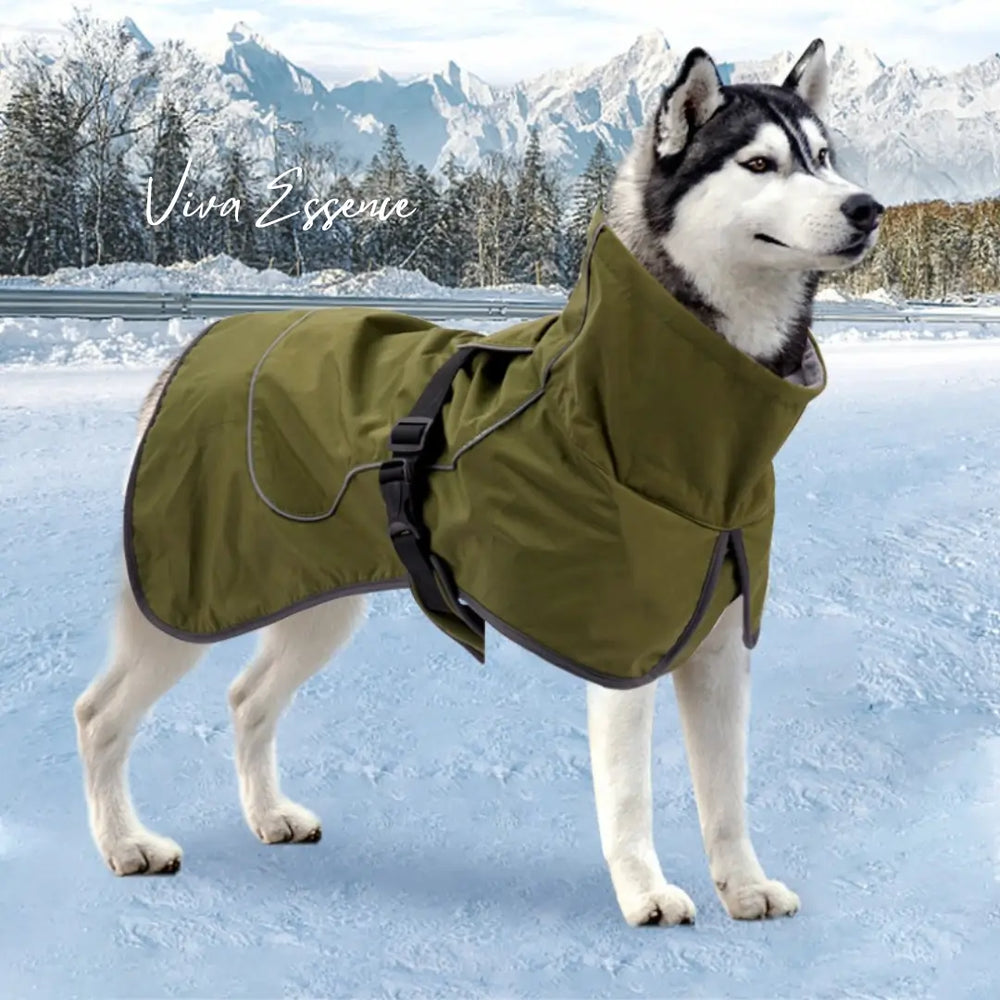


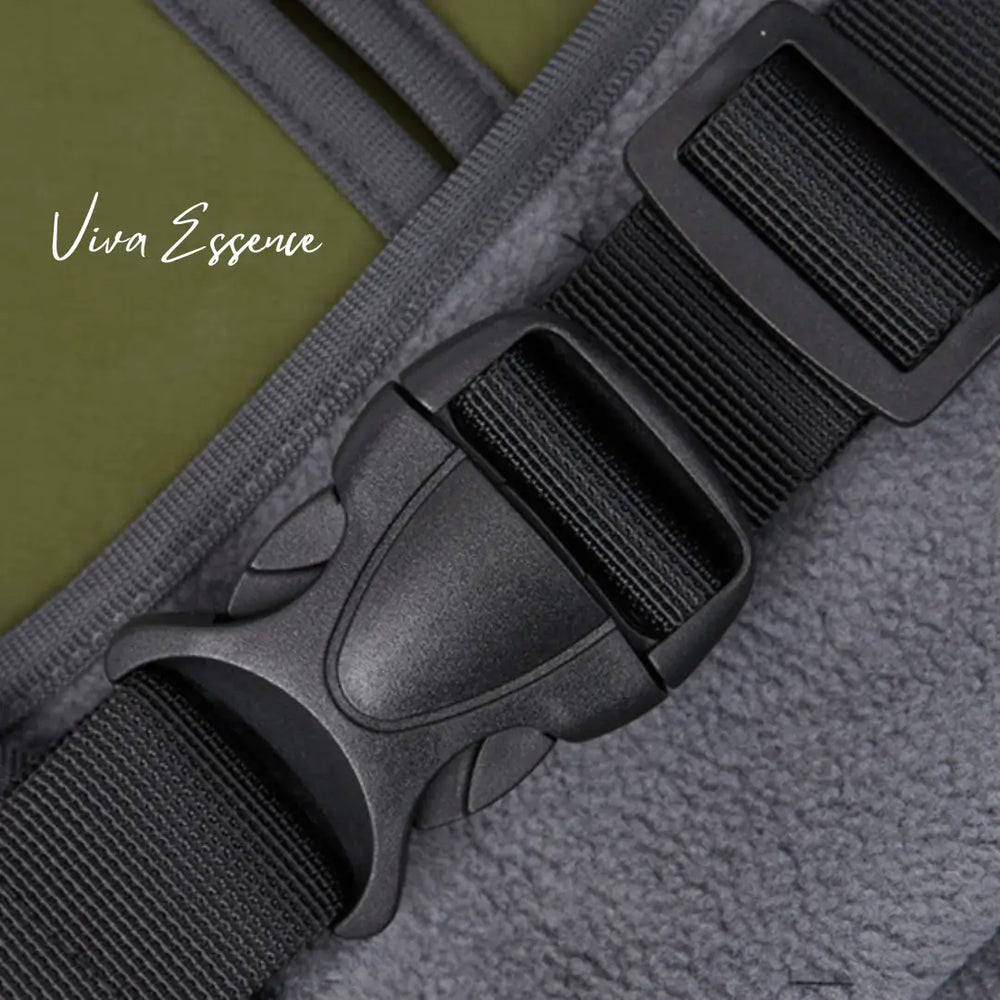
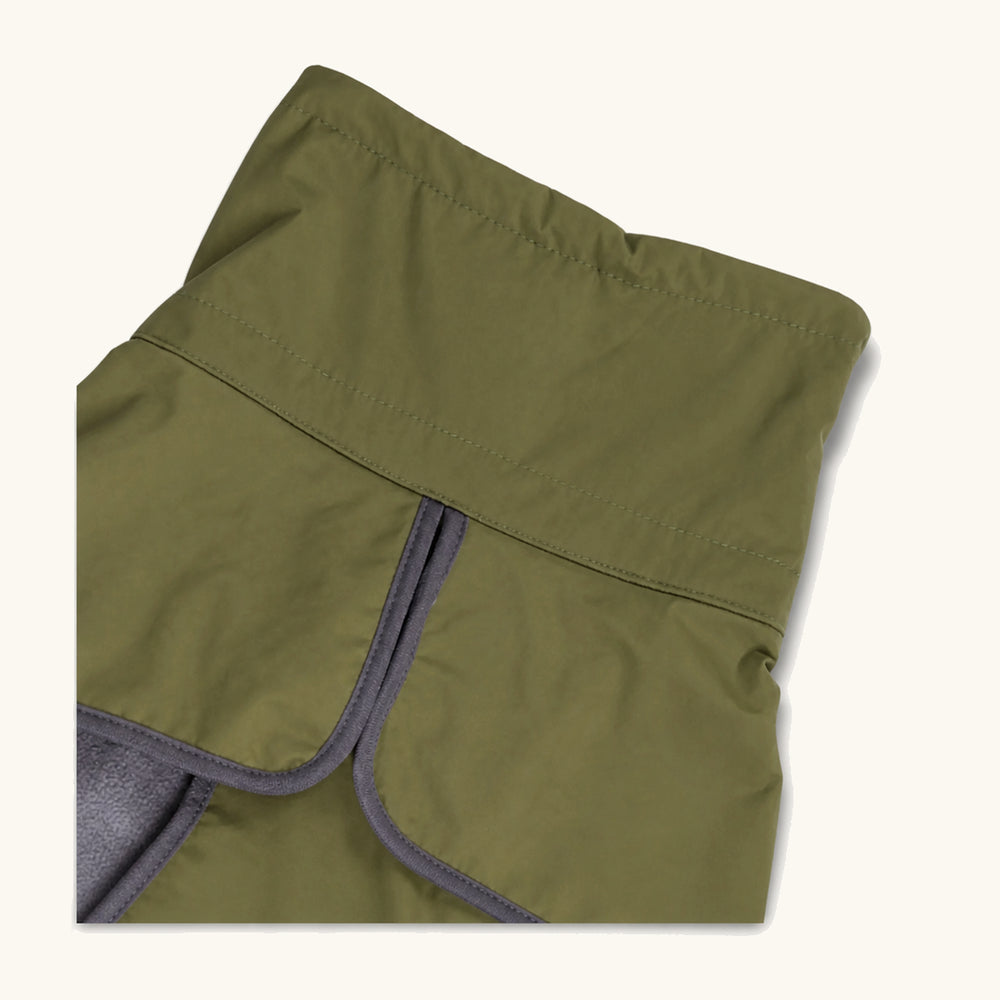
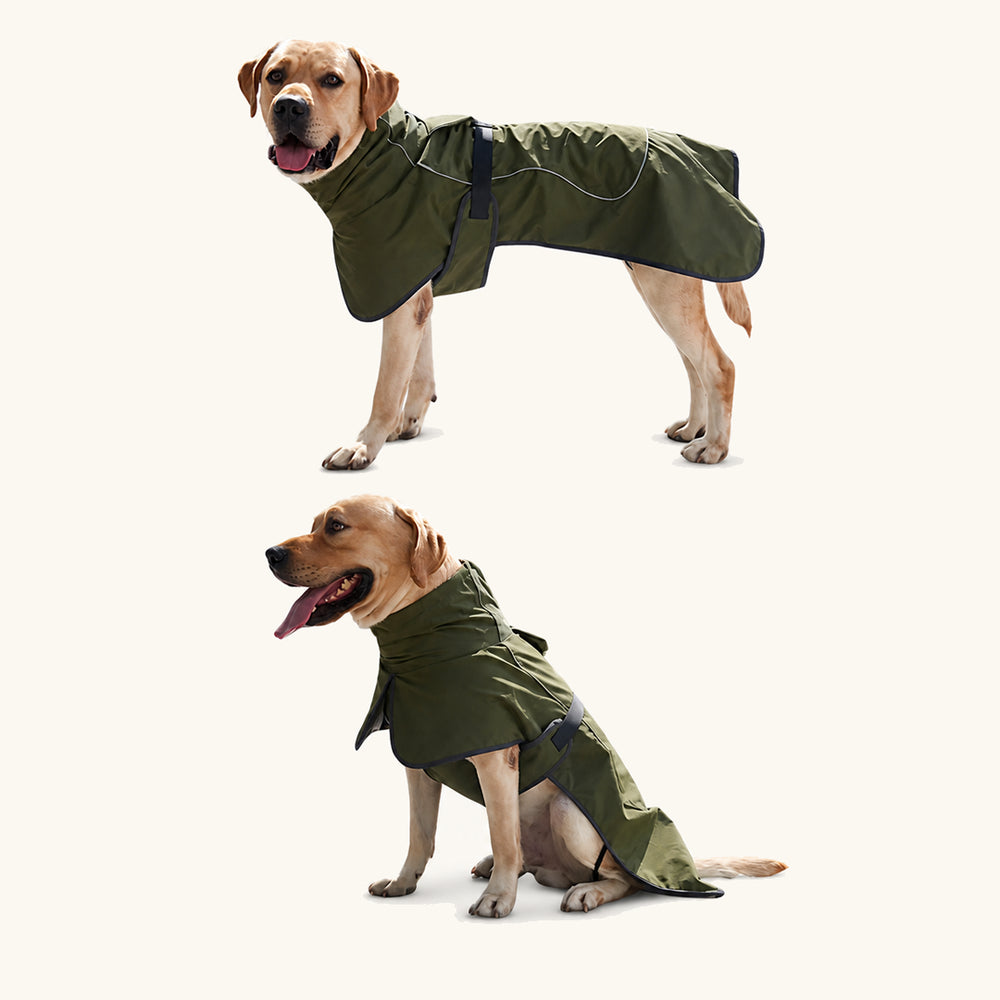
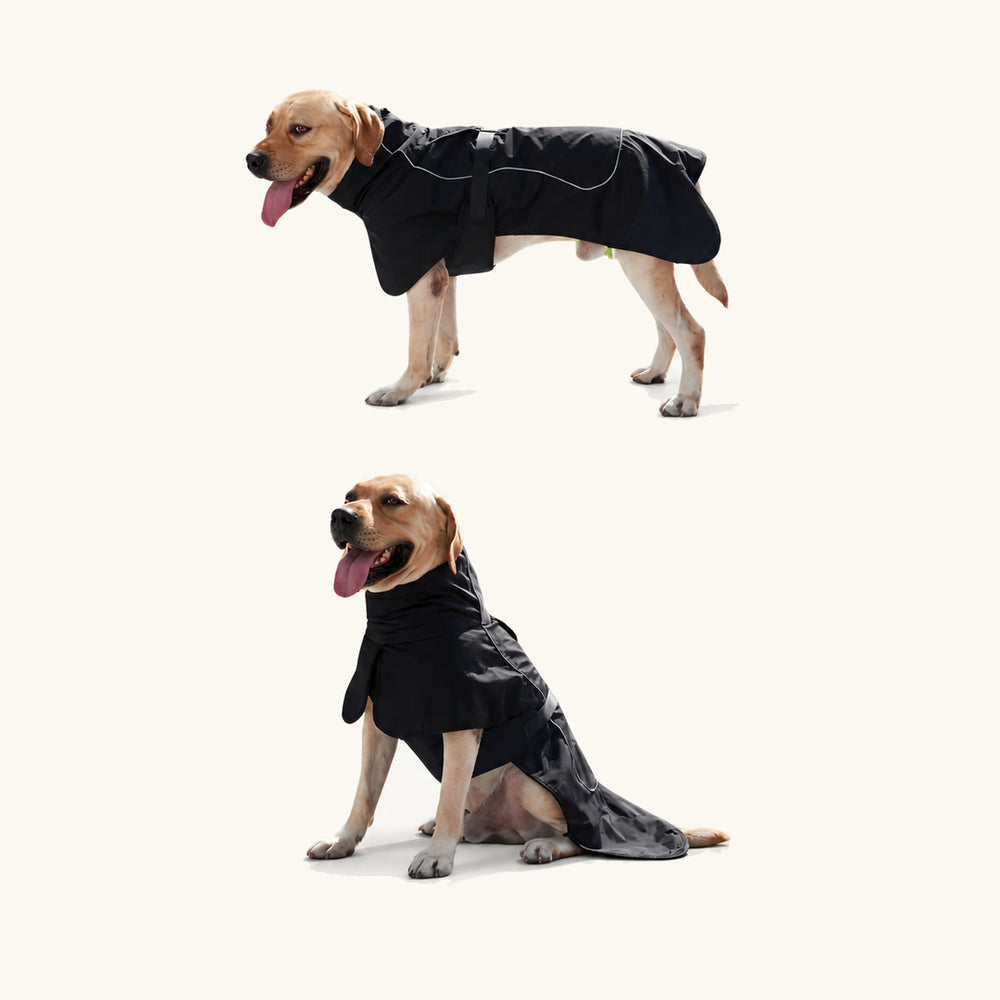
All-Weather Reflective Dog Coat
- Reflective Winter Dog Coat
- Water-Resistant Outer Layer
- Low-Light Reflective Trim
- Harness-Access Opening
