

-

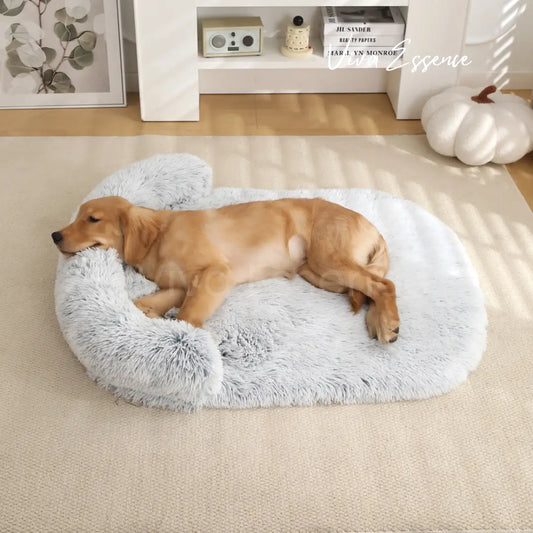 SAVE 40%
SnuggleSoft Orthopedic Calming Pet Bed
Regular price From $57.95Sale price From $57.95 Regular priceUnit price per$96.95 -

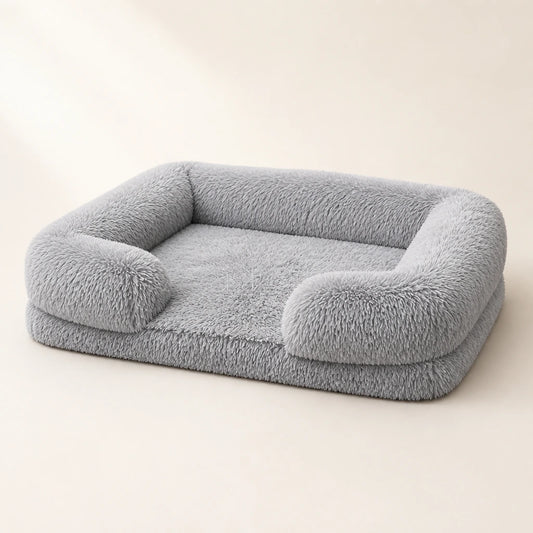 SAVE 40%
ComfortCradle Orthopedic Dog Bed
Regular price From $72.95Sale price From $72.95 Regular priceUnit price per$121.95 -

 SAVE 40%
PlushNest Orthopedic Pet Bed
Regular price From $65.95Sale price From $65.95 Regular priceUnit price per$110.95


How to compare supportive beds
Match the base and bolster to your dog's sleep style.
Check the support material, interior sleeping area, raised-edge shape, and cleaning routine before choosing a bed for daily rest.
-
Base
Compare memory foam, PP cotton fill, and cushioned support without assuming a medical result
-
Sleep style
Allow room for curling, leaning, side sleeping, or stretching past the bolster
-
Care
Check cover removal, washing guidance, drying time, seams, and how the base holds its shape
Compare supportive dog bed designs
These three beds give dogs a cushioned base with raised edges or bolsters for leaning, curling, and settled daily rest. Their support materials and shapes differ, so compare the exact bed rather than treating the word orthopedic as a medical promise.
| Bed | Visible construction | Start with |
|---|---|---|
| ComfortCradle Orthopedic Dog Bed | Raised bolsters with an egg-crate foam support layer and a lower front opening | Dogs that lean into an edge, curl inside a deeper bed, or need more structure than a thin mat |
| PlushNest Orthopedic Pet Bed | A soft plush surface, cushioned base, and defined resting space | Dogs that prefer a soft boundary and a warmer, nest-like surface for curling or stretching |
| SnuggleSoft Orthopedic Calming Pet Bed | Raised plush sides with a padded base and a soft nesting feel | Dogs that curl tightly, rest their chin on a bolster, or rotate before settling |
What orthopedic-style means here
In this collection, orthopedic-style refers to a more supportive base, visible fill or foam construction, and raised edges that give a dog somewhere to lean. It does not mean that a bed can diagnose, treat, or cure pain, arthritis, IVDD, injury, or mobility changes. If your dog is sore, reluctant to lie down, or moving differently, ask a veterinary professional what type of surface and access setup is appropriate.
PlushNest is included for its soft plush surface, cushioned base, and familiar resting space. It should be treated as a comfort bed, not a medical or therapeutic product.
Measure for the way your dog sleeps
- Measure your dog while relaxed in both curled and stretched positions.
- Compare those measurements with the interior sleeping area, not only the outside edge of the bed.
- Leave extra room for side sleepers, sprawlers, and dogs that turn several times before settling.
- Check the exact size options and current availability on each product page before choosing.
The Pet Size and Fit Guide can help with the measuring routine. For a wider range of shapes and seasonal surfaces, browse all pet beds.
Plan placement and care before the first night
Put the bed in a familiar, low-traffic spot and let your dog investigate it without pressure. Keep the base flat and stable. Remove loose hair often, inspect seams and bolsters, and follow the exact cover and drying guidance for the bed you choose.
For more context, compare dog bed types and surfaces. If IVDD, pain, or recovery changes the bedding decision, read the IVDD bedding guide and follow veterinary guidance. The Senior Pet Mobility Guide also covers room setup and access routes.
Choose the support and entry shape your dog prefers
ComfortCradle is the clearest choice here when you want a specified foam structure: it combines an egg-crate foam layer with bolsters on three sides and a lower front opening. That opening is worth comparing with the way your dog steps into a bed, especially if climbing over a high edge interrupts settling.
PlushNest emphasizes a soft plush surface and cushioned resting space. Its sizes are listed by diameter, from 50 to 110 cm. SnuggleSoft offers a padded base and raised plush sides, with listed footprints from 55 × 40 cm to 150 × 100 cm. Neither should be selected on the assumption that its filling is identical to ComfortCradle's egg-crate foam.
Watch whether your dog rests a chin on an edge, leans against a side, or stretches across the center. A high border may feel inviting to a curler but use up space a sprawler needs. Match both the sleeping area and the entry route rather than choosing the softest-looking photo.
Check outside dimensions and usable sleeping space separately
The size label does not tell you how much room remains inside raised sides. These are the listed bed dimensions; compare the individual size guide and the open resting area before choosing.
| Bed | Size range |
|---|---|
| ComfortCradle | S–XXL: 45 × 40 × 12 cm to 130 × 90 × 22 cm |
| PlushNest | S–XXL: 50–110 cm listed diameter |
| SnuggleSoft | XS–XXL: 55 × 40 cm to 150 × 100 cm listed footprint |
What to compare
ComfortCradle: Overall length, width and height; lower front entry; room inside three bolstered sides
PlushNest: Diameter and the sleeping space remaining inside the soft edges
SnuggleSoft: Length and width, raised sides and room to turn or stretch
Mark the intended footprint on the floor with a tape measure before ordering. Keep the route from the bed to the water bowl clear, and leave enough space for your dog to approach the opening and turn around.
Choose a washing routine you can maintain
ComfortCradle has a removable cover; follow its care label and keep the foam inserts out of the wash. For PlushNest and SnuggleSoft, use their own cover-care instructions, remove loose hair regularly and allow washed fabric to dry fully before reuse. Do not assume that a washable cover means the entire assembled bed can be machine-washed.
A protective or non-slip base is not the same as a whole-bed liquid barrier. When accidents are a frequent concern, check exactly which parts can be cleaned and plan a dry replacement resting spot while bedding is being washed. After unpacking, let the bed regain its intended shape according to the package guidance before judging its support and size.
FAQ
How do I choose between these orthopedic-style dog beds?
Start with your dog's sleeping position and preferred edge height. Then compare the base material, usable interior area, cover care, and whether your dog likes to curl against a bolster or stretch across a wider surface.
Are orthopedic dog beds medical devices?
No. These beds are comfort products with supportive construction. They do not diagnose or treat pain, arthritis, IVDD, injury, or mobility problems.
Does every bed use the same support material?
No. ComfortCradle has an egg-crate foam support layer. SnuggleSoft combines a padded base with raised plush sides, while PlushNest provides a plush surface and cushioned resting space. Compare the structure, sleeping area, and care instructions for the individual bed rather than assuming they share the same filling.
Should I size up for a dog that stretches out?
Often, yes. Measure your dog in their longest relaxed position and compare that measurement with the usable sleeping area inside the bolster. Choose enough room for the dog to turn and settle without being crowded.
Can I machine-wash the whole bed?
Check the individual bed's care instructions. ComfortCradle has a removable cover, and its foam inserts should stay out of the wash. Washable cover guidance does not mean that the whole assembled bed is machine-washable.
Do the listed dimensions equal the sleeping space inside the bolsters?
Do not assume they do. Compare the bed's listed dimensions with its size guide and the resting space inside raised edges. Allow enough room for your dog to turn and stretch in their usual sleeping position.
Dog-bed fit, comparison, and mobility guides
Use sleep position, room setup, care needs, and professional guidance when pain or mobility changes affect the choice.
- Compare
Dog bed comparison
Compare cooling surfaces, mats, and orthopedic-style support by feel, setup, and care.
Compare bed types - Recovery
Bedding during IVDD recovery
Review stability, access, and bedding setup with veterinary guidance when IVDD or pain is involved.
Read the guide - Mobility
Senior Pet Mobility Guide
Plan bedding, access routes, and room setup around the way your pet moves at home.
Open the guide