

-

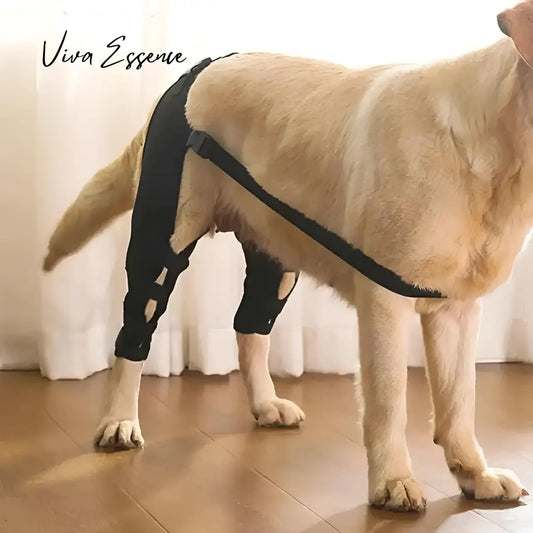 SAVE 41%
ProCare Canine Knee & Leg Brace
Regular price From $29.95Sale price From $29.95 Regular priceUnit price per$50.95 -

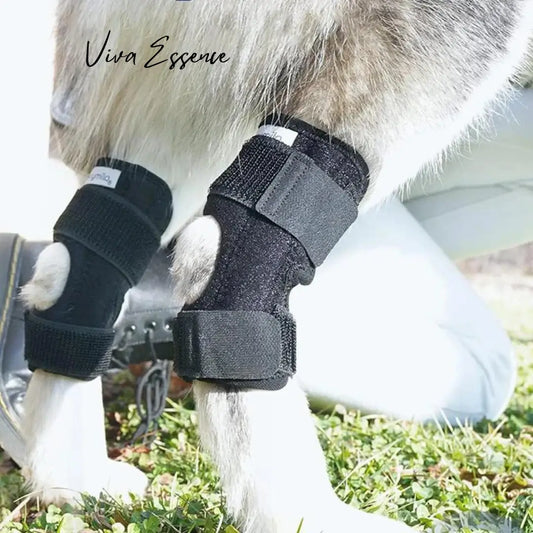 SAVE 40%
ProCare Canine Hock Brace for Joint Support
Regular price From $28.95Sale price From $28.95 Regular priceUnit price per$48.95 -

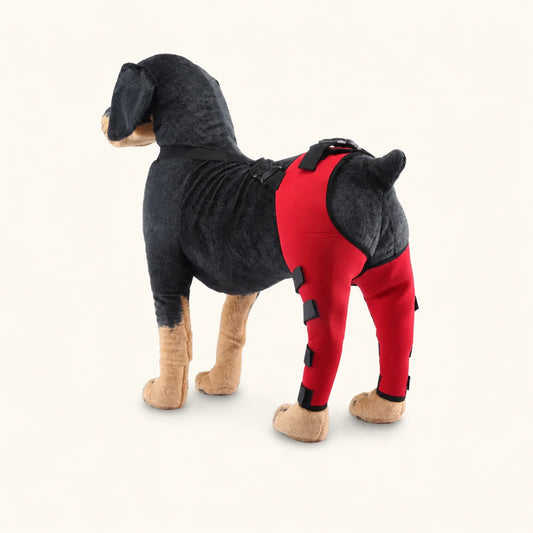 SAVE 41%
ProCare Adjustable Dog Leg Brace
Regular price From $29.95Sale price From $29.95 Regular priceUnit price per$50.95


How to choose a brace
Start with body area and a measured fit.
Use the brace location, size range, and movement routine to narrow the choice before your first supervised try-on.
-
Body area
Choose knee/leg, hock, or front/rear-leg support
-
Fit
Measure against the linked chart; do not guess from breed or weight
-
Routine
Introduce it gradually and check comfort, straps, skin, and movement
Compare the three brace roles
Dog leg braces are easier to compare when the first question is where the support sits. This collection keeps three distinct roles together: a measured knee and leg brace, a hock-specific brace, and an adjustable leg brace with reflective detail for supervised walks.
| Brace role | Start here when you need | Visible fit and use details |
|---|---|---|
| Knee & leg brace | Measured support around a knee or general leg routine | XS–L; black or blue; adjustable straps; short supervised movement |
| Hock brace | Rear-leg hock-area support rather than a general leg shape | S–L; single or pair; measure placement and check skin, fur, and rubbing points |
| Reflective leg brace | Adjustable front or rear leg support with a visibility cue | XS–L; black, red, or blue; reflective detail; short supervised walks |
Measure before you order
- Identify the body area first: knee/leg, rear hock, or front/rear leg.
- Use the product-specific measurement chart rather than choosing from breed, age, or weight alone. The dog knee brace fit guide explains the checkpoints to record.
- Check the size range, strap placement, and whether the hock product is needed as a single brace or pair.
- Plan an indoor movement check before a longer walk or regular routine.
Introduce a brace gradually
Start with a short, calm try-on in a familiar space. Watch how your dog walks, sits, turns, and settles. Check the straps and the skin and fur around contact points after the first minutes, then remove the brace if it rubs, shifts, or causes clear discomfort. The brace introduction routine gives a slower starting sequence.
For a body-area comparison, use the hock versus knee and leg guide. For a wider home setup, explore Joint & Mobility Support and the Senior Pet Mobility Guide.
Choose the brace shape before choosing a size
The ProCare Knee and Leg Brace uses adjustable wraparound straps and comes in XS, S, M and L, in black or blue. Start with its own measurement chart when you want to compare that support shape. A strap can refine a correctly sized fit; it cannot make an unsuitable size or placement work.
The ProCare Hock Brace is shaped for the rear-leg hock area and comes in S, M and L. It offers a single brace or a pair, so quantity is a separate choice from size. Check which leg or legs the planned routine involves rather than assuming a pair is always the better purchase.
The reflective ProCare Leg Brace is a front-or-rear leg option made with SBR and adjustable reflective straps. Its fit guide uses measurements A through D; compare those checkpoints for the leg where it will be worn. It comes in XS–L and black, red or blue. Reflective detail is a visibility feature, not a reason to substitute this shape for a hock-specific brace.
Make a useful measurement record
Write down the product name, intended leg, measurement locations, values and units together. Keep the tape placement consistent when checking a measurement twice, and use the chart for that exact product. A size M in one brace is not evidence that another M will fit.
For an in-between result, compare every checkpoint rather than selecting by the largest measurement alone. Share the measurements and a clear description of the intended placement with customer care when the fit remains unclear. For pain, injury, swelling or a veterinary care plan, confirm the support role with your care team before choosing a brace shape.
Judge the first fitting by movement, not strap tightness
Begin on a familiar indoor surface. Fasten gently, let your dog stand and take a few natural steps, then check whether the brace stays aligned when the dog turns or sits. Reset placement before tightening a slipping strap, and change one adjustment at a time.
After removing the brace, inspect the contact area and the straps. A brace that keeps rotating, bunching or attracting repeated chewing needs a fit review rather than a longer trial. Keep wear supervised and follow the individual product's care directions. The knee and leg brace specifies gentle cold-water washing and air drying; do not assume that instruction applies to every support product in the collection.
FAQ
How do I choose between a knee/leg brace and a hock brace?
Start with the body area described by the product and measure against its chart. The knee and leg brace is the broader adjustable role; the hock brace is shaped for the rear hock area and offers single-or-pair choices.
Should I buy a single hock brace or a pair?
The hock product presents both options. Use the measured fit and the routine you are planning to support, and follow any direction already given by your veterinary care team when a brace is part of a care plan.
How should my dog start wearing a leg brace?
Begin indoors for a short, supervised session. Check movement, strap position, skin, and fur, then increase the routine only when your dog remains comfortable. Stop if rubbing or obvious discomfort appears and seek appropriate professional guidance.
Can I use the same size label across all three braces?
No. Use the measurement chart for the exact brace. The hock brace comes in S–L, while the knee and reflective leg braces offer XS–L; matching letters do not confirm matching measurements.
Should I tighten a brace if it keeps slipping?
Recheck the starting size and placement first. Adjust one strap at a time, keeping contact snug rather than pinching, then watch a few natural steps. Persistent shifting or discomfort needs a fit review rather than progressively tighter straps.
Brace fit and movement resources
Use fit and introduction guidance before comparing knee, hock, and general leg support.
- Guide
Dog knee brace fit and measurement
Check the body measurements and placement points before choosing a size.
Read guide - Compare
Hock brace vs knee or leg brace
Use body area and strap placement to compare the three brace roles.
Compare roles - Routine
Introducing a dog leg brace
Start indoors, keep the first session short, and check movement and comfort.
View routine