

-

 SAVE 39%
Halo Safety Ring for Blind Pets
Regular price From $49.95Sale price From $49.95 Regular priceUnit price per$82.95 -

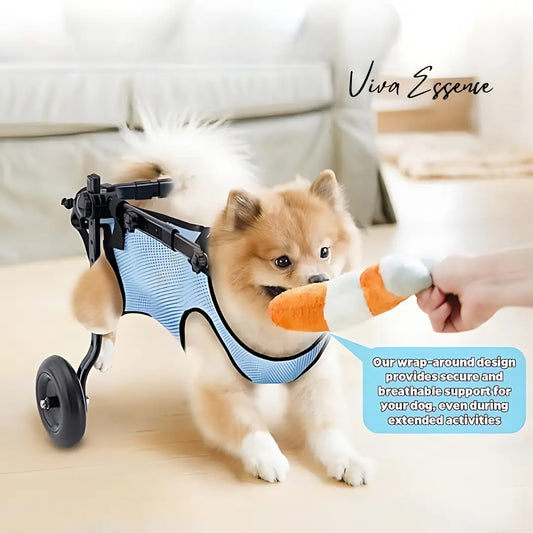 SAVE 32%
JoyStride Dog Wheelchair for Small & Medium Breeds
Regular price From $99.95Sale price From $99.95 Regular priceUnit price per$148.95 -

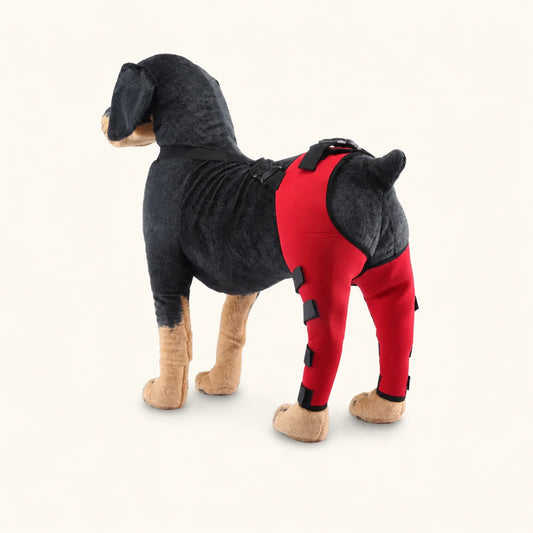 SAVE 41%
ProCare Adjustable Dog Leg Brace
Regular price From $29.95Sale price From $29.95 Regular priceUnit price per$50.95 -

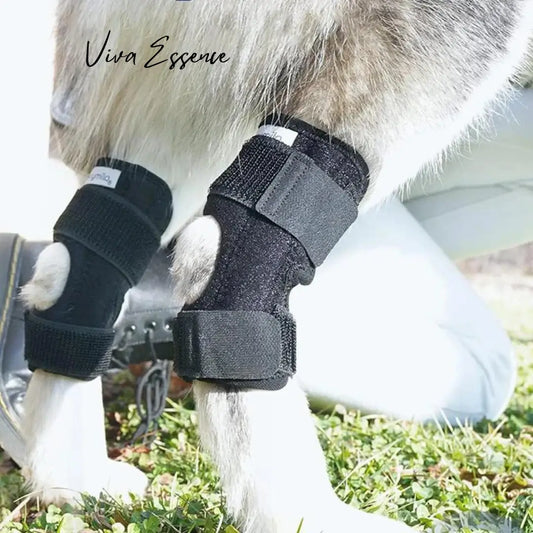 SAVE 40%
ProCare Canine Hock Brace for Joint Support
Regular price From $28.95Sale price From $28.95 Regular priceUnit price per$48.95 -

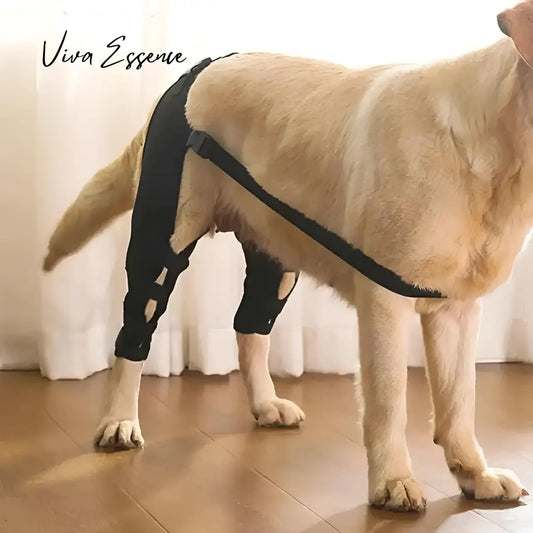 SAVE 41%
ProCare Canine Knee & Leg Brace
Regular price From $29.95Sale price From $29.95 Regular priceUnit price per$50.95


Supportive Products for Pets Who Need Gentler Daily Routines
Compare rear-support wheelchairs, leg and hock braces, and blind-pet halos by their intended support role and measured fit. For injuries, pain, surgery, or restricted activity, follow your veterinarian's guidance before introducing an aid.
Make the Home Easier to Navigate
Community discussions around injured and mobility-limited pets often focus on non-slip surfaces, ramps, supportive beds, easier grooming, and reducing unnecessary jumping.
Access support
Ramps, stairs, and traction-minded products can make furniture or vehicle routines more manageable when appropriate.
Rest and recovery spaces
Soft, easy-clean beds and calm resting areas help create a predictable place for quiet time.
Hands-on care tools
Gentle grooming and cleaning tools can make day-to-day care easier when movement is limited.
Shop With Care
- Ask your veterinarian before using mobility aids for an injured or post-surgical pet.
- Choose non-slip, stable products when your pet is cautious or unsteady.
- Keep favorite resources such as water, food, and bedding easy to access.
- Supervise new ramps, stairs, braces, or support tools until your pet is comfortable.
Continue shopping: Joint & Mobility Support or Pet Stairs.
FAQ
Can these products replace veterinary care?
No. They are home-support products, not medical treatment. Use them alongside professional guidance.
What should I check before choosing a mobility aid?
Confirm which type of support your pet needs, take the product-specific measurements, and discuss any injury or activity restriction with your veterinarian before trying an aid.
Learn before you choose
Mobility guides worth reading first
Use these guides to compare ramps, home setup, and low-impact access before choosing mobility support.
- Guide
Indoor dog ramps: safer everyday access
A practical primer for choosing and placing ramps around sofas, beds, and daily movement routes.
Read guide - Training
How to train a dog to use a ramp
Step-by-step ideas for introducing ramp use calmly and making the new routine feel familiar.
Open resource - Care context
Is jumping off furniture bad for dogs?
A useful context piece for deciding when stairs, ramps, or lower rest zones may help.
Explore more