Collection: Pet Stairs

3 products

Professional Pet Mobility Solutions Collection

Orthopedic Pet Stairs and Ramps for Joint Health and Independent Mobility

Veterinary-designed mobility solutions engineered to protect joint health, prevent injuries, and maintain independence for pets of all ages and sizes. Our comprehensive collection features orthopedic stairs, therapeutic ramps, and accessibility equipment developed through veterinary orthopedic research and biomechanical engineering. Each product is specifically designed to reduce joint stress, prevent spinal injuries, and support mobility for senior pets, those with arthritis, or pets recovering from surgery while promoting confidence and independence.

Orthopedic Engineering and Biomechanical Design Principles

Scientifically-graded mobility solutions based on veterinary orthopedics and pet biomechanics research

Joint Stress Reduction Technology

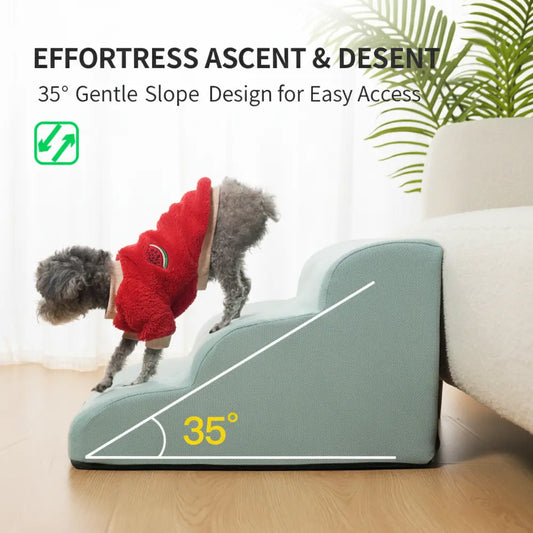
Advanced engineering solutions designed to minimize impact forces on joints during vertical movement transitions. Our joint stress reduction systems incorporate graded step heights, shock-absorbing materials, and ergonomic designs that reduce peak joint loading by up to 70% compared to jumping, significantly lowering the risk of acute injuries and chronic joint degeneration.

Optimal Step Height Calculation

Precisely calculated step heights based on pet leg length and joint range of motion to minimize extension stress

Shock-Absorption Integration

Multi-layer cushioning systems that absorb impact forces and distribute pressure evenly across joint surfaces

Bio-Mechanical Alignment

Step depth and width optimized for natural gait patterns and spinal alignment during ascent and descent

Weight Distribution and Stability Engineering

Professional-grade structural engineering ensuring maximum stability and appropriate weight distribution for pets of all sizes. Our stability systems feature center-of-gravity optimization, non-slip surface technologies, and reinforced construction that supports weights up to 200 pounds while maintaining confidence through secure footing and predictable movement patterns.

Center-of-Gravity Management

Engineered weight distribution that prevents tipping and ensures stability during dynamic movement

Traction Surface Technology

Multi-textured, non-slip surfaces that maintain grip in various environmental conditions

Structural Reinforcement Systems

Load-bearing engineering that maintains integrity under repeated use and varying weight distributions

Therapeutic Material Science

Advanced material technologies selected for therapeutic benefits, durability, and ergonomic comfort during extended use. Our material systems feature medical-grade foams, pressure-relieving surfaces, and hypoallergenic coverings that provide orthopedic support while preventing pressure sores and promoting circulation during rest periods on mobility equipment.

Memory Foam Integration

Temperature-sensitive foam that conforms to pet anatomy and provides pressure point relief

Antimicrobial Surface Treatments

Hypoallergenic materials with antimicrobial properties that prevent bacterial growth and odor development

Durability Engineering

High-density materials that maintain structural integrity and comfort characteristics over extended use periods

Veterinary Applications for Specific Mobility Conditions

Targeted solutions for common orthopedic and neurological conditions affecting pet mobility

Pet mobility impairments require specialized approaches based on underlying conditions, severity, and progression patterns. Our veterinary-designed solutions address specific biomechanical challenges associated with various orthopedic and neurological conditions, providing targeted support that maintains function while preventing further injury. Understanding condition-specific requirements enables appropriate product selection and optimal therapeutic outcomes for improved quality of life and maintained independence.

Osteoarthritis and Degenerative Joint Disease

Progressive cartilage deterioration causing pain, stiffness, and reduced range of motion in weight-bearing joints. Pets with arthritis benefit from low-impact movement solutions that minimize joint loading while maintaining necessary activity for muscle preservation and joint health. Our arthritis solutions feature gradual inclines, orthopedic cushioning, and therapeutic support that reduce pain during movement while preventing further joint degeneration.

Therapeutic Solutions:

  • Extra-wide steps with orthopedic cushioning for joint pressure distribution
  • Reduced step heights to minimize joint extension angles
  • Non-slip surfaces to prevent compensatory movements that strain other joints
  • Heated options for therapeutic warmth and increased circulation

Intervertebral Disc Disease (IVDD)

Spinal condition causing pain, neurological deficits, and mobility limitations due to disc herniation or degeneration. IVDD patients require solutions that maintain spinal alignment and prevent excessive flexion or extension during vertical movement. Our spinal health products feature gradual inclines, supported movement patterns, and ergonomic designs that protect the spine while enabling safe access to elevated surfaces without compromising neurological function.

Spinal Protection Solutions:

  • Gentle ramp inclines that maintain neutral spinal alignment
  • Side rail support systems that prevent lateral movement and spinal twisting
  • Wide step surfaces that allow for stable, four-point movement patterns
  • Adjustable height options for post-surgical recovery protocols

Hip Dysplasia and Joint Congenital Conditions

Developmental abnormalities affecting hip joint formation and function, leading to arthritis and mobility limitations. Hip dysplasia requires solutions that reduce rear-leg weight bearing and minimize hip joint stress during movement. Our hip support systems feature rear-focused design elements, reduced resistance surfaces, and therapeutic positioning that allows pets to maintain mobility while reducing pain and preventing further joint damage progression.

Hip Joint Protection Solutions:

  • Reduced step height with extended tread depth for rear-leg support
  • Orthopedic cushioning that absorbs impact during hip joint loading
  • Non-slip rear surfaces that prevent compensatory rear-leg movements
  • Adjustable incline options for different hip dysplasia severity levels

Post-Surgical Recovery and Rehabilitation

Critical recovery period following orthopedic surgery requiring controlled movement and protected joint function. Post-surgical patients need solutions that prevent excessive movement while enabling necessary rehabilitation activities within veterinary-prescribed limitations. Our recovery products feature controlled inclines, therapeutic support surfaces, and adjustable configurations that accommodate various surgical recovery protocols and progressive rehabilitation programs.

Rehabilitation Support Solutions:

  • Adjustable height configurations for progressive recovery protocols
  • Therapeutic cushioning that supports surgical sites and reduces pressure
  • Non-slip surfaces that prevent compensatory movements affecting surgical recovery
  • Easy-to-clean materials for maintaining surgical site hygiene

Professional Size Specifications and Breed-Specific Requirements

Engineering specifications based on veterinary biomechanics and breed-specific anatomical considerations

Small Breed and Toy Pets Specifications

Precision-engineered solutions for pets under 25 pounds with specific attention to fragile skeletal structures and proportionally larger heads. Small breeds require specialized step dimensions that accommodate their unique anatomy while preventing spinal stress from proportionally large heads and delicate bone structures. Our small breed solutions feature appropriately scaled dimensions, enhanced stability features, and therapeutic support designed for miniature skeletal systems.

Step Height Range: 4-6 inches

Optimized for short leg length and reduced joint extension angles

Step Depth: 8-10 inches

Adequate space for secure footing and confident movement patterns

Width: 12-16 inches

Sufficient width for natural movement while maintaining space efficiency

Weight Capacity: Up to 40 pounds

Engineered safety margin for small breed weight variations

Medium Breed Specifications

Robust solutions for pets 25-80 pounds designed to handle increased weight and movement forces while maintaining ergonomic comfort. Medium breeds require reinforced construction and appropriate dimensions that accommodate their athletic build and moderate energy levels. Our medium breed systems feature enhanced structural support, durable materials, and therapeutic cushioning designed for sustained use by active, medium-sized pets with varying mobility needs.

Step Height Range: 6-8 inches

Optimized for medium leg length and natural movement patterns

Step Depth: 10-12 inches

Appropriate depth for confident four-point movement patterns

Width: 16-20 inches

Accommodates medium breed shoulder width and movement comfort

Weight Capacity: Up to 100 pounds

Reinforced construction for medium breed weight and activity levels

Large and Giant Breed Specifications

Heavy-duty engineering solutions for pets over 80 pounds designed to handle substantial weight forces and provide maximum stability. Large and giant breeds require industrial-strength construction, wide step surfaces, and enhanced stability features to accommodate their significant mass and prevent dangerous tipping or collapse. Our large breed systems feature reinforced frames, commercial-grade materials, and weight distribution engineering that ensures safety for pets up to 200 pounds.

Step Height Range: 8-10 inches

Optimized for long leg length and reduced joint stress in large breeds

Step Depth: 12-14 inches

Extended depth for large breed paw placement and movement confidence

Width: 20-24 inches

Wide surfaces for large breed shoulder width and stability

Weight Capacity: Up to 200 pounds

Industrial-grade construction for giant breed safety requirements

Environment-Specific Mobility Solutions

Specialized equipment designed for various home environments and accessibility challenges

Furniture Access Solutions

Precision-engineered stairs and ramps designed for safe access to sofas, chairs, and other household furniture. Our furniture access solutions feature appropriate heights for standard furniture dimensions, space-efficient designs that fit within typical room layouts, and aesthetic integration that complements home decor while providing essential mobility support.

  • Standard sofa height stairs (18-24 inches total height) with 3-4 step configurations
  • Chair access solutions with compact footprints and appropriate step dimensions
  • Recliner and specialized furniture access with adjustable height options
  • Aesthetic designs that integrate seamlessly with home decor

Bed Access Systems

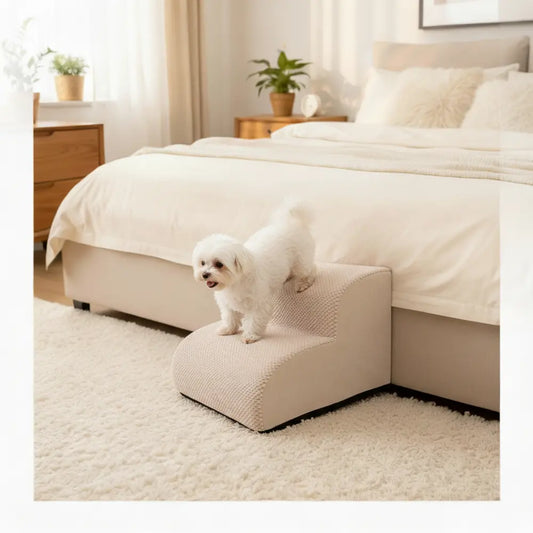
Specialized solutions for bed access featuring appropriate heights, therapeutic materials, and enhanced stability features. Our bed access systems accommodate various bed heights from standard to elevated designs, featuring orthopedic cushioning for comfort during rest periods, side rails for security during nocturnal movement, and therapeutic support for pets with mobility limitations.

  • Adjustable height systems for beds 24-36 inches in height
  • Side rail configurations for pets with mobility or confidence issues
  • Orthopedic cushioning for pets spending extended periods on bed stairs
  • Wide step designs for large breeds and pets with stability concerns

Vehicle Mobility Solutions

Portable and durable ramps and steps designed for safe vehicle access during transportation and travel activities. Our vehicle solutions feature lightweight, foldable designs for easy transport and storage, weather-resistant materials for outdoor use, and appropriate incline angles that accommodate various vehicle heights while maintaining pet safety and confidence.

  • Folding aluminum ramps with weight capacities up to 300 pounds
  • Vehicle-specific height adjustments for cars, SUVs, and trucks
  • Non-slip surfaces designed for various weather conditions
  • Compact storage solutions for travel convenience

Outdoor and Multi-Level Home Solutions

Weather-resistant mobility equipment designed for outdoor use and multi-level home accessibility challenges. Our outdoor solutions feature durable, weather-resistant materials, enhanced traction for various surface conditions, and appropriate designs for deck access, outdoor furniture, and multi-level home navigation while maintaining therapeutic benefits and safety standards.

  • Weather-resistant materials for outdoor deck and patio access
  • Enhanced traction surfaces for various weather conditions
  • Multi-level home solutions for stairs and elevation changes
  • Portable designs for temporary outdoor accessibility needs

Professional Training Protocols and Implementation Guidelines

Evidence-based training methods for successful pet adaptation and safe mobility equipment use

Successful implementation of mobility equipment requires systematic training approaches that build confidence, ensure safety, and establish consistent usage patterns. Our training protocols are based on veterinary behavioral science and positive reinforcement techniques that address pet psychology, learning patterns, and potential anxiety related to new mobility solutions. Proper training ensures long-term success, maximizes therapeutic benefits, and prevents equipment avoidance or unsafe usage patterns.

Initial Introduction Protocol

Systematic introduction process that builds positive associations and reduces anxiety associated with new mobility equipment. This phase focuses on creating comfort with equipment presence, establishing positive reinforcement patterns, and building confidence through gradual exposure without pressure or force. Success during this phase establishes foundation for long-term equipment acceptance and consistent use.

Introduction Steps:

  • Place equipment in high-traffic areas without requiring use for 3-5 days
  • Apply positive reinforcement (treats, praise) for voluntary investigation and proximity
  • Place treats on progressively higher steps to encourage natural exploration
  • Use favorite toys or comfort items to create positive equipment associations

Guided Movement Training

Structured training process that teaches proper movement patterns and builds confidence in equipment use. This phase involves demonstrating movement patterns, providing physical guidance when necessary, and reinforcing successful navigation through positive reinforcement. Proper guidance during this phase prevents development of unsafe movement habits and establishes correct biomechanical patterns for joint protection.

Movement Training Steps:

  • Guide pets across flat surfaces with positive reinforcement for successful crossing
  • Demonstrate movement patterns using leash guidance and treat motivation
  • Practice step-by-step movement with immediate positive reinforcement
  • Gradually increase independence while maintaining positive reinforcement schedules

Advanced Usage and Independence Building

Progressive training that develops independent usage patterns and confidence in various situations. This phase focuses on reducing guidance, increasing independence, and establishing consistent usage patterns across different environmental conditions and situations. Success during this phase creates long-term mobility independence and reduces reliance on human assistance for basic movement needs.

Independence Building Steps:

  • Practice equipment use with minimal human guidance or assistance
  • Vary timing and conditions to build flexible usage patterns
  • Establish consistent routines that incorporate equipment use into daily activities
  • Maintain intermittent positive reinforcement to ensure continued successful use

Problem-Solving and Troubleshooting

Identification and resolution of common training challenges and equipment usage issues. This phase addresses specific problems such as equipment avoidance, fear responses, incorrect movement patterns, and inconsistent usage. Systematic problem-solving ensures long-term success and addresses individual pet needs that may require modified approaches or additional training support.

Troubleshooting Approaches:

  • Identify specific challenges and underlying causes (fear, discomfort, confusion)
  • Modify equipment configuration or placement to address specific concerns
  • Return to earlier training phases if fundamental issues are identified
  • Consult veterinary professionals for persistent or severe training challenges