

-

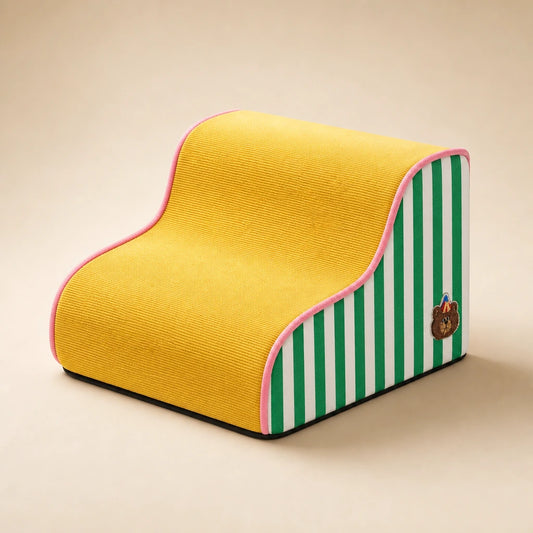 SAVE 32%
Orthopedic Dog Stairs for Bed & Couch
Regular price From $83.95Sale price From $83.95 Regular priceUnit price per$124.95 -

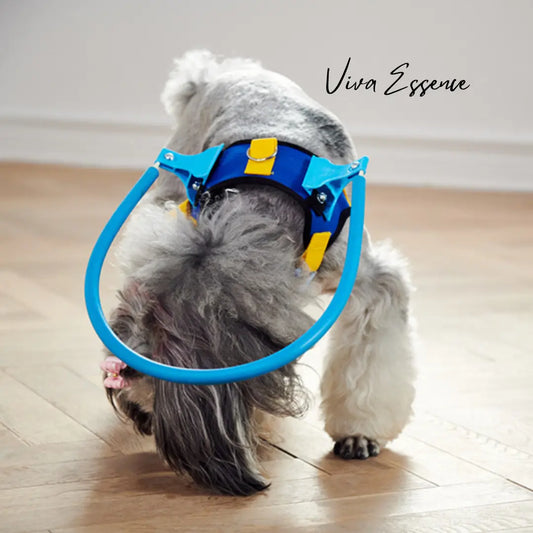 SAVE 39%
Halo Safety Ring for Blind Pets
Regular price From $49.95Sale price From $49.95 Regular priceUnit price per$82.95 -

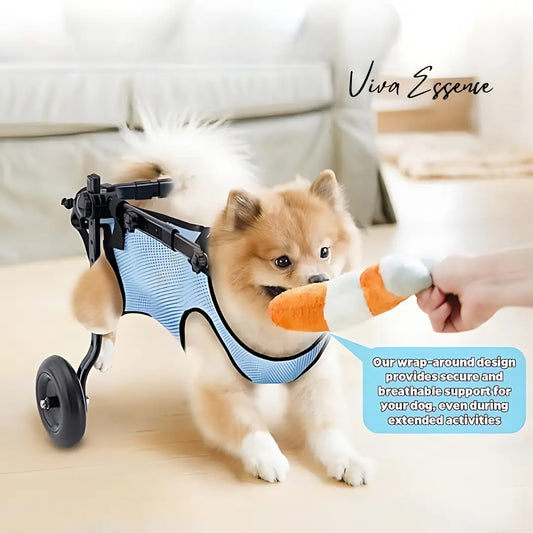 SAVE 32%
JoyStride Dog Wheelchair for Small & Medium Breeds
Regular price From $99.95Sale price From $99.95 Regular priceUnit price per$148.95 -

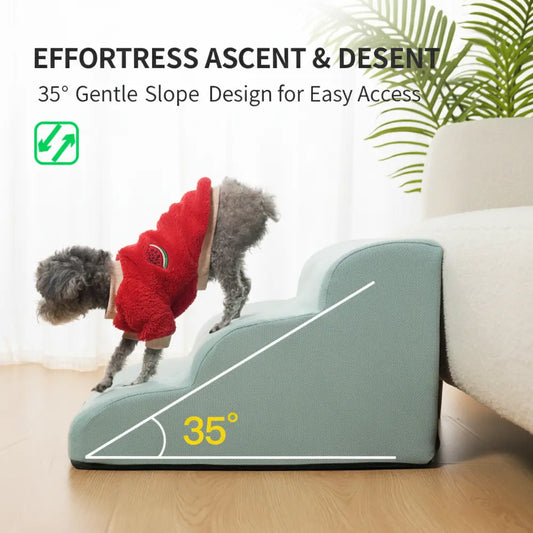 SAVE 40%
Gentle Slope Pet Ramp for Beds & Sofas
Regular price From $88.95Sale price From $88.95 Regular priceUnit price per$148.95 -

 SAVE 40%
LumaWrap Red Light Pet Wrap
Regular price $218.95Sale price $218.95 Regular priceUnit price per$364.95 -

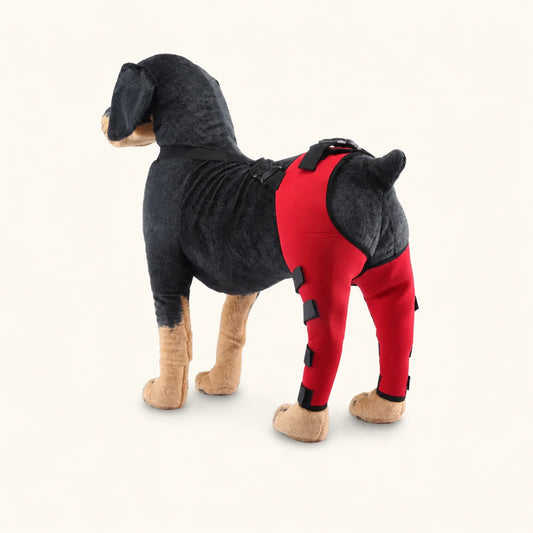 SAVE 41%
ProCare Adjustable Dog Leg Brace
Regular price From $29.95Sale price From $29.95 Regular priceUnit price per$50.95 -

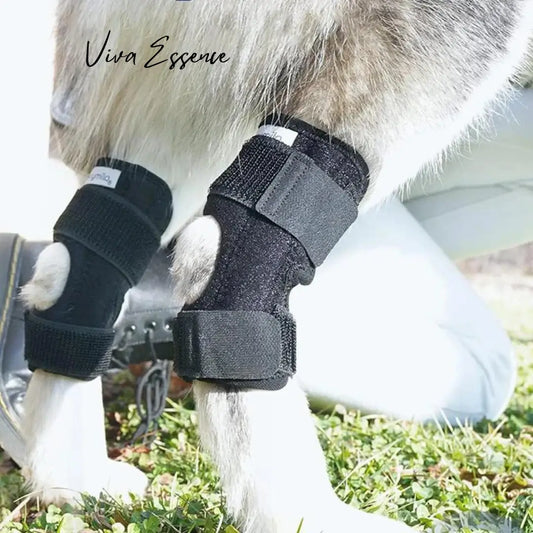 SAVE 40%
ProCare Canine Hock Brace for Joint Support
Regular price From $28.95Sale price From $28.95 Regular priceUnit price per$48.95 -

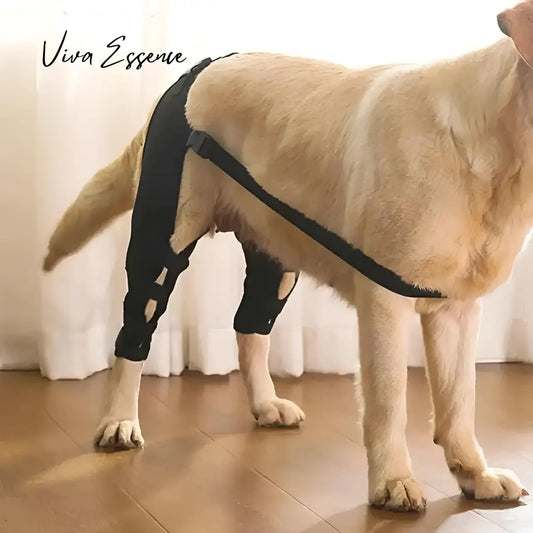 SAVE 41%
ProCare Canine Knee & Leg Brace
Regular price From $29.95Sale price From $29.95 Regular priceUnit price per$50.95


Joint & Mobility Support Products for Easier Everyday Movement at Home
Compare furniture-access stairs and step-style ramps, rear-support wheelchairs, measured leg braces, blind-pet halos and a wearable light wrap. Start with the specific daily task your pet needs help with; these products serve different roles.
Start With the Route Your Pet Uses Every Day
Look at the surface, destination height, room to turn and the help you can provide. Match the equipment to that route before choosing a size or adding another accessory.
Ramps and stairs
Compare indoor foam stairs and graduated step-style ramps for beds and sofas, using furniture height, footprint and your pet's confidence.
Stable surfaces
Non-slip traction and stable placement matter as much as the product itself.
Rest between activities
Keep a familiar resting place nearby so you can remove wearable support and pause between supervised activities.
Before You Buy
- Measure furniture height, available floor space, and your pet’s body length.
- Look for traction, stable bases, and an incline or step height your pet can use confidently.
- Train slowly with treats and supervision; do not force a cautious pet.
- Ask a veterinarian before choosing support products for injury, surgery, pain, or medical mobility issues.
Continue shopping: Pet Stairs or For Senior Pets.
Match the product to one everyday task
Reaching a bed or sofa
Start with the non-slip foam stairs or Gentle Slope step-style ramp when the task is furniture access. Measure the furniture height and available floor space. The stairs offer two or three steps; Gentle Slope offers two, three or four. Both need a stable indoor position and a close match at the top, so the final movement is not another large jump.
Supported movement on level ground
JoyStride is a rear-support wheelchair, not a stair-climbing product. Its XS, S and M choices require the full measurement set: chest circumference, front-to-rear leg spacing, front-leg left/right spacing, width, length and height. Keep the first route open and level, and plan a resting place where the cart can be removed. Ask your veterinarian about suitability when mobility has changed or front-leg strength is limited.
Support around a particular leg area
Compare the knee and leg brace, rear hock brace and reflective leg brace by placement before size or color. Their shapes and measurement charts are not interchangeable. The hock product also separates single and pair quantities; choose the quantity needed for the intended routine.
Finding a familiar route with reduced vision
The Halo Safety Ring gives a mobile blind or low-vision pet an early contact point around nearby furniture. Choose by nose distance and chest girth, then check the harness and forward ring position. It does not carry body weight or replace a wheelchair. Clear floors and protected stairs remain part of the room setup.
A supervised wearable light routine
LumaWrap is a red and near-infrared light accessory, not a brace or weight-bearing aid. Compare its flat dimensions, fastening, power-bank placement and your pet's handling tolerance. It belongs in a separate, supervised routine; choosing it does not solve an access problem or establish a treatment plan.
Check the home route before adding equipment
Choose one task first: getting onto the sofa, taking a few supported steps, navigating past a chair, or settling into a supervised routine. Then note the floor surface, narrow turns, doorway clearance and where you will stay nearby. Several products may belong in the same home, but they do not need to be worn or used together.
Leave a clear place for rest between activities. If bedding is the missing part of the setup, compare the separate supportive dog bed collection for sleeping space, entry and cover care rather than assuming an access aid also provides a resting surface.
FAQ
Are ramps better than stairs?
Compare the actual profile, height, footprint and traction. The Gentle Slope product here is a soft step-style ramp, not an uninterrupted board ramp. The best choice depends on the route and how confidently your pet uses it.
Can mobility products prevent injuries?
Do not treat them as injury-prevention guarantees. They are home-support tools that may reduce jumping or improve access when used appropriately.
Is a blind-pet halo the same as a wheelchair?
No. A halo gives a mobile pet an early contact point around nearby obstacles. A rear-support wheelchair has a different role in supported movement. Match nose distance and chest girth for the halo, and the full measurement set for JoyStride.
Does the light wrap provide mechanical joint support?
No. LumaWrap is a wearable red and near-infrared light accessory. It is not a brace, a weight-bearing aid or a substitute for a veterinary care plan.
What should I choose first when several products look relevant?
Choose one everyday task first, then compare the product designed for that task. Furniture access, rear-supported movement, leg support and low-vision navigation require different measurements and setup.
Learn before you choose
Mobility guides worth reading first
Use these guides to compare ramps, home setup, and low-impact access before choosing mobility support.
- Guide
Indoor dog ramps: safer everyday access
A practical primer for choosing and placing ramps around sofas, beds, and daily movement routes.
Read guide - Training
How to train a dog to use a ramp
Step-by-step ideas for introducing ramp use calmly and making the new routine feel familiar.
Open resource - Care context
Is jumping off furniture bad for dogs?
A useful context piece for deciding when stairs, ramps, or lower rest zones may help.
Explore more