

-

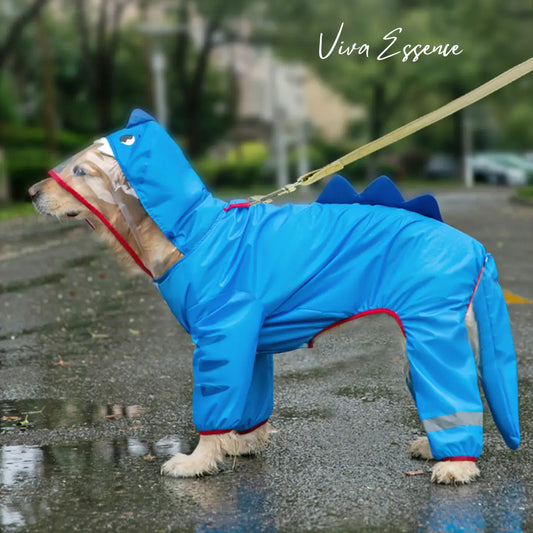 SAVE 36%
Dino-Spike Reflective Dog Raincoat
Regular price From $37.95Sale price From $37.95 Regular priceUnit price per$59.95 -

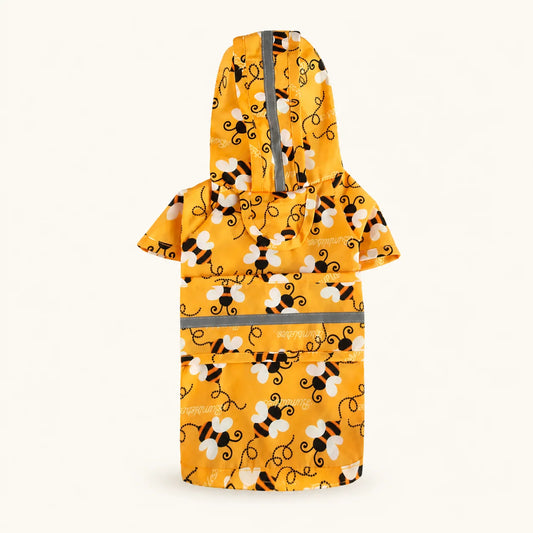 SAVE 39%
Duck Hood Reflective Dog Raincoat
Regular price From $22.95Sale price From $22.95 Regular priceUnit price per$37.95 -

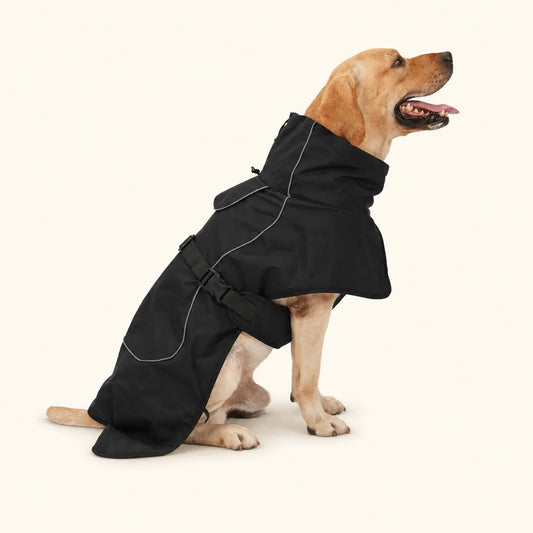 SAVE 35%
All-Weather Reflective Dog Coat
Regular price From $41.95Sale price From $41.95 Regular priceUnit price per$64.95 -

 SAVE 35%
Viva RainGuard Reflective Dog Raincoat
Regular price From $34.95Sale price From $34.95 Regular priceUnit price per$53.95 -

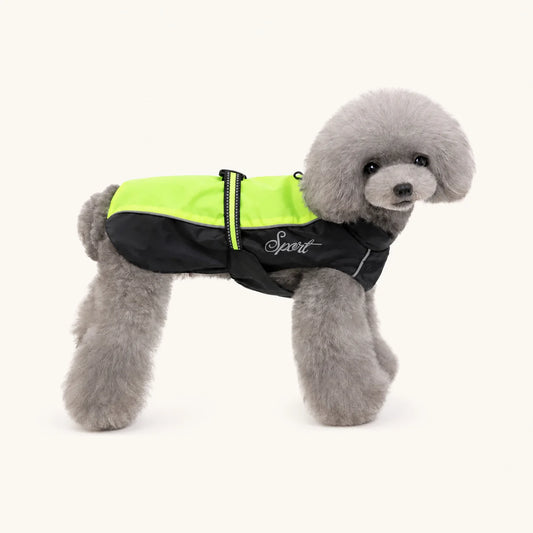 SAVE 36%
Safe & Dry Reflective Dog Raincoat
Regular price From $22.95Sale price From $22.95 Regular priceUnit price per$35.95 -

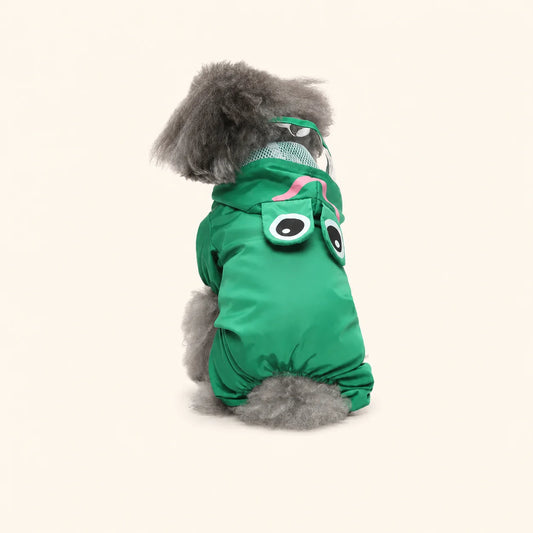 SAVE 34%
RainGuard Hooded Reflective Dog Raincoat
Regular price From $24.95Sale price From $24.95 Regular priceUnit price per$37.95


How to choose a raincoat
Match the coat to weather, fit, and walking setup.
Measure first, then compare coverage, visibility, hood comfort, leash access, and the parts of your dog a coat leaves uncovered.
-
Coverage
Choose a rain-ready layer for the conditions you actually walk in
-
Fit
Measure neck/chest/back and test movement before a full outing
-
Routine
Check leash access, towel uncovered areas, and hang the coat to dry
Compare dog raincoats by coverage and fit
A raincoat should match the weather, your dog's measurements, and the way you walk. This collection keeps six active raincoat and coat options together so you can compare hood coverage, reflective detail, leash access, size range, and the care routine after a wet outing.
| Raincoat role | Visible details | Size or fit starting point |
|---|---|---|
| Hooded coverage | Waterproof polyester shell, transparent brim, mesh lining, reflective detail, and leash access | XS–XL; check hood comfort and harness or leash setup |
| Patterned hooded walks | Rain-shedding fabric, reflective accents, hood coverage, and leash access | XS–4XL; test movement and hood tolerance indoors |
| Broad size and color range | Waterproof outer layer, reflective trim, and colorful options | XS–5XL; compare chest and back before choosing a color |
| Extended size range | Reflective detail, adjustable fit, leash access, and covered-area rain protection | S–9XL; use the product chart rather than weight alone |
| Cooler-weather coat | Reflective dog-coat coverage for light rain, wet snow, and dusk walks | XS–XXL; check back length, chest room, and harness access |
| Playful reflective style | Waterproof and reflective raincoat styling with chest and back fit checks | 3X–8X weight guidance is shown on variants; confirm measurements before ordering |
Measure before buying
- Record neck, chest, and back length while your dog is standing naturally.
- Use the specific product chart; size labels and weight guidance vary across the six coats. The Pet Size and Fit Guide explains why measurements beat breed guesses.
- Check whether the coat leaves room for walking, sitting, sniffing, and turning without pulling across the chest or shoulders.
- Test the leash or harness route indoors, especially when choosing a hood or belly-coverage style.
Make the return home easier
After a wet walk, remove the coat and towel the paws, legs, belly, and other areas it does not cover. Wipe the coat according to its product care guidance, hang it to dry, and check reflective trim, fasteners, and leash access before the next outing. The dog raincoat safety and fit guide covers realistic weather use and comfort checks.
For a broader outing routine, read Essential Dog Walking Tips or explore Pet Travel and Outdoor Safety. For adjacent product discovery, browse Outdoor Safety or Pet Outfit.
FAQ
Do all dogs need a raincoat?
No. Some dogs are comfortable in rain without extra clothing. A coat may be useful when your dog's coat, size, age, walking route, or tolerance makes wet-weather coverage more comfortable or cleanup easier.
How do I choose a dog raincoat size?
Measure neck, chest, and back length, then use the chart for the exact product. Check movement and leash or harness access indoors before a longer walk; do not select a size from breed or weight alone when the chart gives body measurements.
What should a dog raincoat cover?
Coverage varies by design. Compare the back, chest, belly, hood, and leg openings, then plan to towel the paws, legs, belly, and tail area that remain exposed.
Can my dog wear a hooded raincoat?
Introduce the hood indoors and keep the first outing short. Your dog should be able to walk, sit, sniff, and turn without rubbing or restriction, and the leash setup should remain easy to reach.
Rainy-walk resources
Use fit, safety, and walking guidance to compare rainwear with the routine your dog actually follows.
- Guide
Dog raincoat safety and fit
Compare coverage, visibility, comfort, and realistic wet-weather use before buying.
Read guide - Guide
Essential dog walking tips
Pair weather gear with a practical walk routine, awareness, and equipment checks.
Read guide - Checklist
Pet travel and outdoor safety
Plan weather, travel, and outdoor basics around the route you actually take.
Explore checklist