



Is a Reflective Winter Dog Coat Good for Small or Short-Haired Dogs?
See whether a reflective winter dog coat fits small or short-haired dogs, cold walks, layering, chest-girth sizing, and gradual clothing tolerance. A focused.

Questions Before You Choose
Do all small dogs need a coat?
No. Coat need depends on the individual dog, coat, conditions, duration, and signs of cold or overheating.
Is short hair enough to choose a size?
No. Measure chest girth and back length, then test shoulder and belly movement.
Does reflective trim make a walk safe?
No. It is a visual cue when light hits it, not a replacement for a leash, identification, or safe route.
What if my dog dislikes clothing?
Stop the trial, give space, and consider another layer or no coat for that outing.
The Full Answer
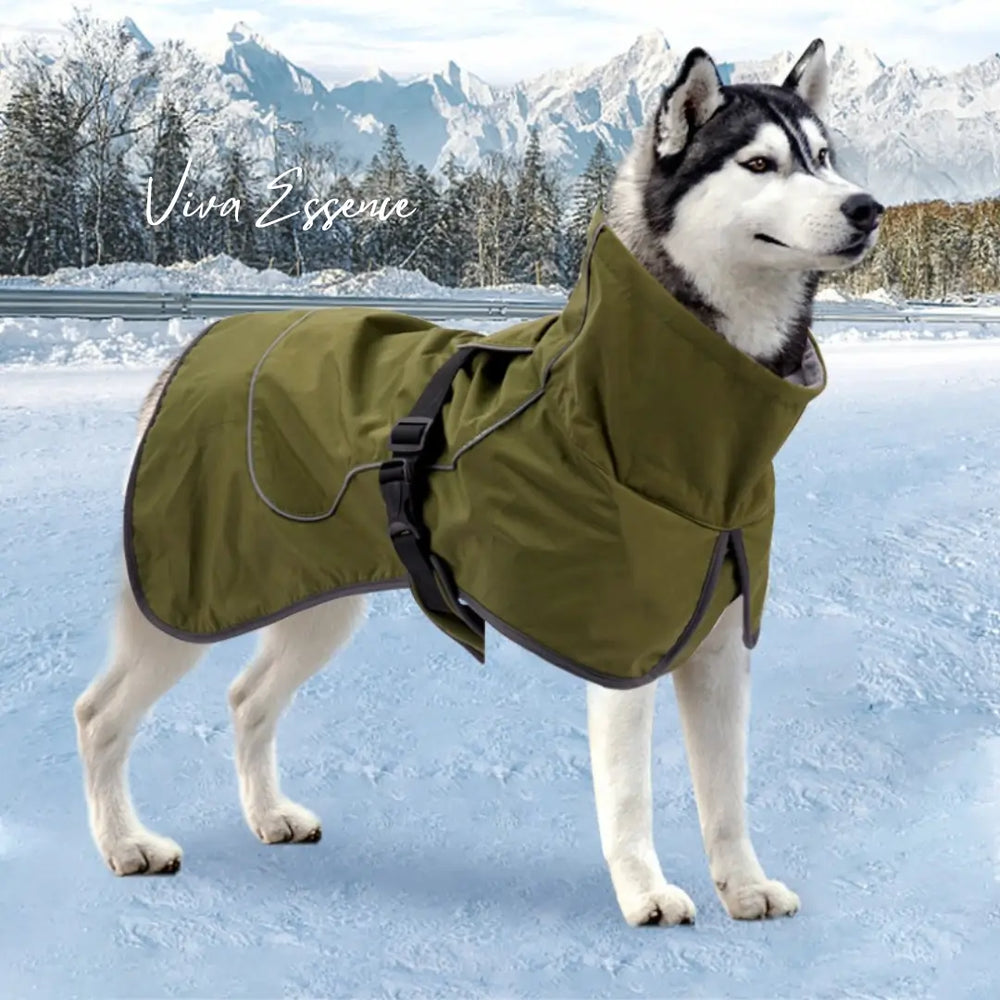
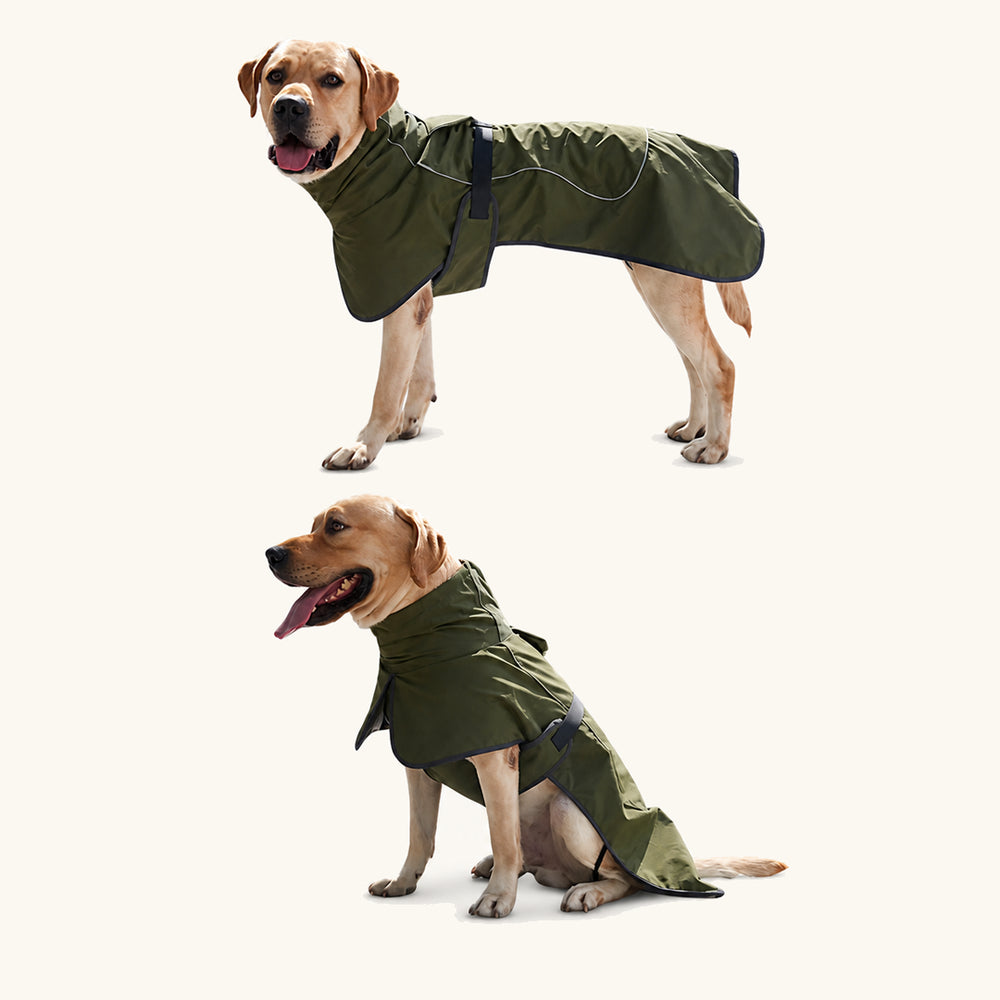
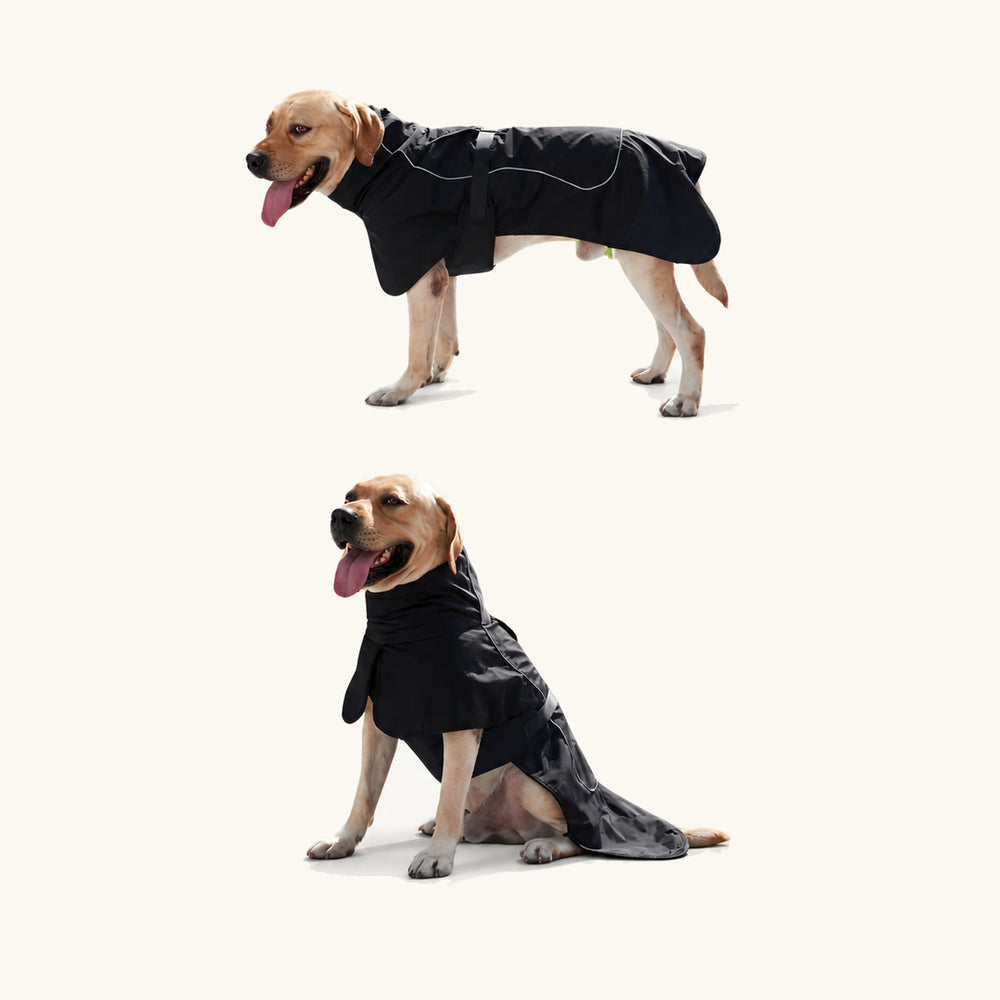
Small and short-haired dogs can feel the cold more quickly on a windy, wet, or low-light walk, but a coat is never a universal requirement. The right question is whether your dog needs an outer layer for the conditions you actually face and whether the coat allows normal movement. This reflective winter coat is one option to consider when coverage, adjustable fit, and a visible reflective detail would make a short outing easier to manage.
Start with the dog, not the label
Size and coat type are useful starting points, not a complete answer. A small dog with a dense coat may handle a brief cool walk differently from a short-haired dog in wind or drizzle. Age, health, acclimation, exercise level, and the actual weather all change the decision.
Watch your dog outside and on the way home. Shivering, reluctance, repeatedly lifting paws, trying to turn back, or looking distressed means the outing needs to change. A coat cannot make extreme weather safe, and a dog should not be kept outside longer because they are wearing one.
Know what this coat is for
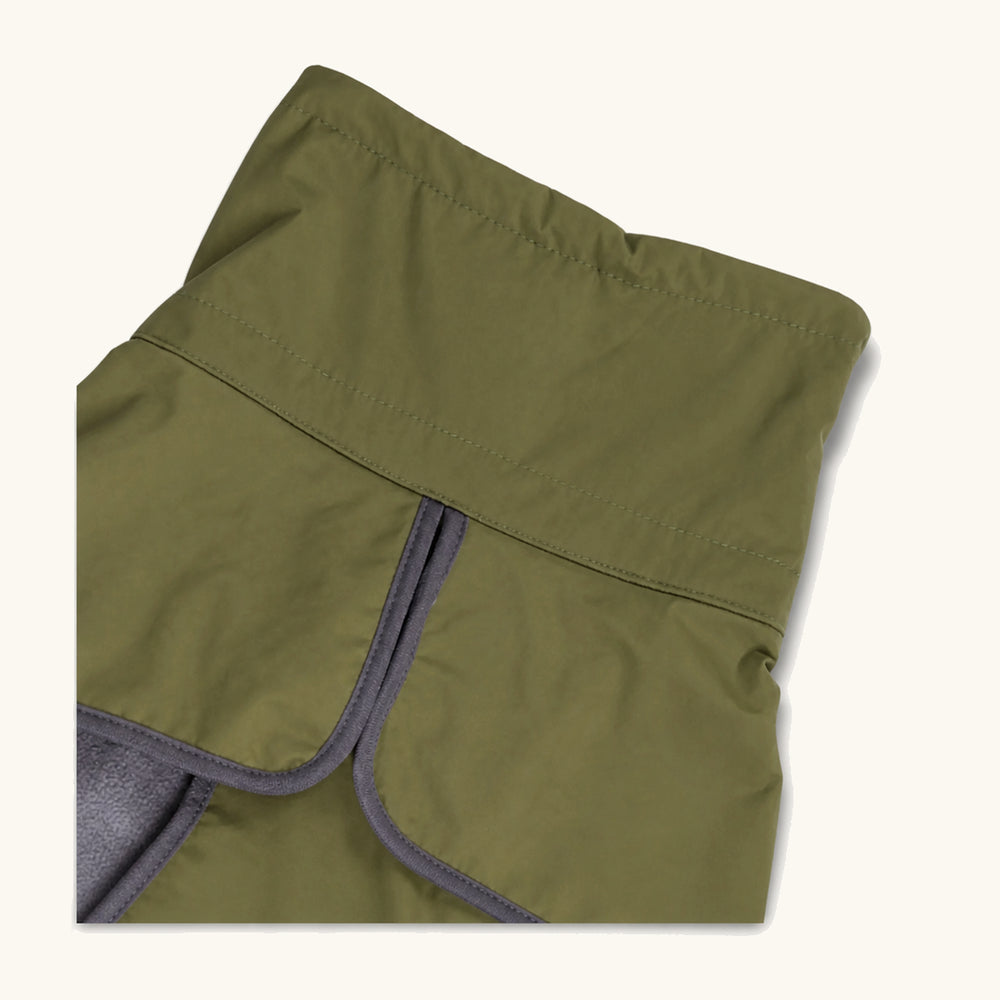
The current coat is positioned for cold-weather and damp-walk situations, with Green or Black color choices, XS through XXL sizes, adjustable coverage, a leash-access opening, and reflective details. Those features make it relevant for short walks, potty breaks, or a chilly route where an outer layer is useful.
Reflective trim is a visual cue when light reaches it. It is not a light source, a visibility-distance guarantee, or a replacement for a leash, identification, a safe route, or a person paying attention. Use the coat as one part of the outing plan.
Check the short-haired fit
Measure the widest part of the chest and the dog’s back length before choosing a size. Short-haired dogs can still have broad chests, narrow waists, deep bodies, or long backs. The coat should sit close enough to stay in place without pinching the chest or limiting the shoulders.
After putting it on indoors, ask your dog to walk, turn, sit, and take a few steps backward. Check the neck, chest, belly, leg openings, and leash-access opening. Look for rubbing, gaping, twisting, or fabric that catches when the dog moves.
Use it for the real weather
A light shell can be useful in drizzle or wind, while a sweater may be a better match for a dry, cold day when insulation is the main concern. The current Product information does not give a temperature rating or prove a particular warmth result. Let the conditions and your dog’s response guide the choice.
Keep winter hazards separate from coat choice. Salt, ice, antifreeze, dark roads, and frozen water need their own precautions. A coat may cover the back while leaving paws, belly, and lower legs exposed to the environment.
Introduce it in small steps
Let your dog sniff the coat before you put it on. Fasten it loosely at first, offer a calm reward, and remove it if the dog freezes, scratches, hides, or tries to escape. A short indoor trial is more useful than discovering discomfort halfway through a walk.
Build duration gradually and keep the first outdoor outing close to home. Watch the dog’s gait and attitude rather than assuming a successful fastening means the fit is comfortable. If the dog cannot move naturally, stop and reassess the size or the need for the coat.
Dry and inspect after the walk
After a damp outing, wipe the dog’s exposed paws, legs, and belly as appropriate for the route, then follow the coat’s care directions. Let the coat dry fully before storing it. No universal machine-wash method, waterproof rating, or odor-proof result is listed.
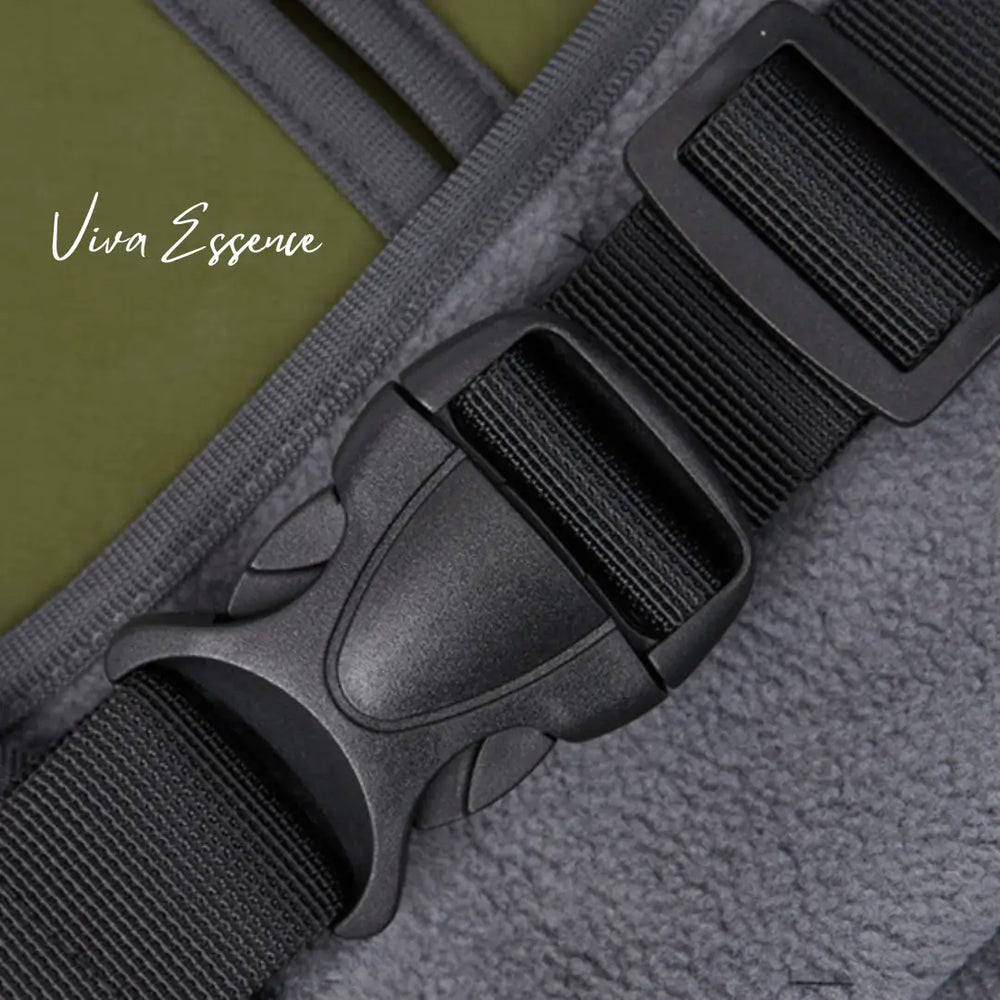
Check the reflective trim, closures, adjustment points, and seams for pulled threads or damage. Set the coat aside if it becomes loose, sharp, tangled, or uncomfortable. A regular inspection is more useful than relying on the word “winter.”
Make the individual decision
This coat may be a sensible option for a small or short-haired dog who needs extra coverage for a particular cool or damp outing and accepts the fit. It is less suitable when the dog overheats, resists clothing, or needs protection the coat isn't described as giving.
Use the reflective winter coat size guide to measure first, then compare the coat, sweater, and raincoat roles. When the fit and conditions line up, review the current coat choices.

Common Questions
Is this coat warm enough for every small dog?
No warmth rating or temperature guarantee is established. Watch the individual dog and shorten exposure in severe conditions.
Can a short-haired dog wear it in rain?
It may be considered for a damp outing within the supplied use, but waterproof performance is not independently established.
How should I start?
Let the dog sniff it, fit it indoors, and try a short familiar walk while watching movement and comfort.
What if the dog shivers?
End the outing, bring the dog inside, and seek professional advice if signs persist or seem severe.
Is It Right for Your Pet?
Compare related questions for this product and use case.



All-Weather Reflective Dog Coat
- Reflective Winter Dog Coat
- Water-Resistant Outer Layer
- Low-Light Reflective Trim
- Harness-Access Opening
