
Reflective Dog Coat Size Guide: Chest and Back Length
Use this reflective winter dog coat size guide for chest girth, back length, strap comfort, harness checks, and cold-weather walking fit. A measurement-first.
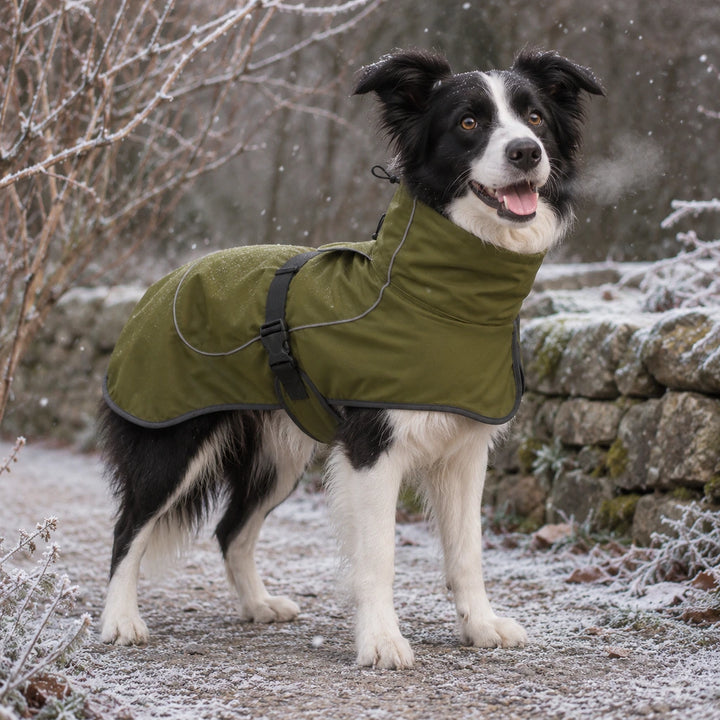
Fit Checklist
All checked. You are ready to pick a size. View Product
The Full Answer
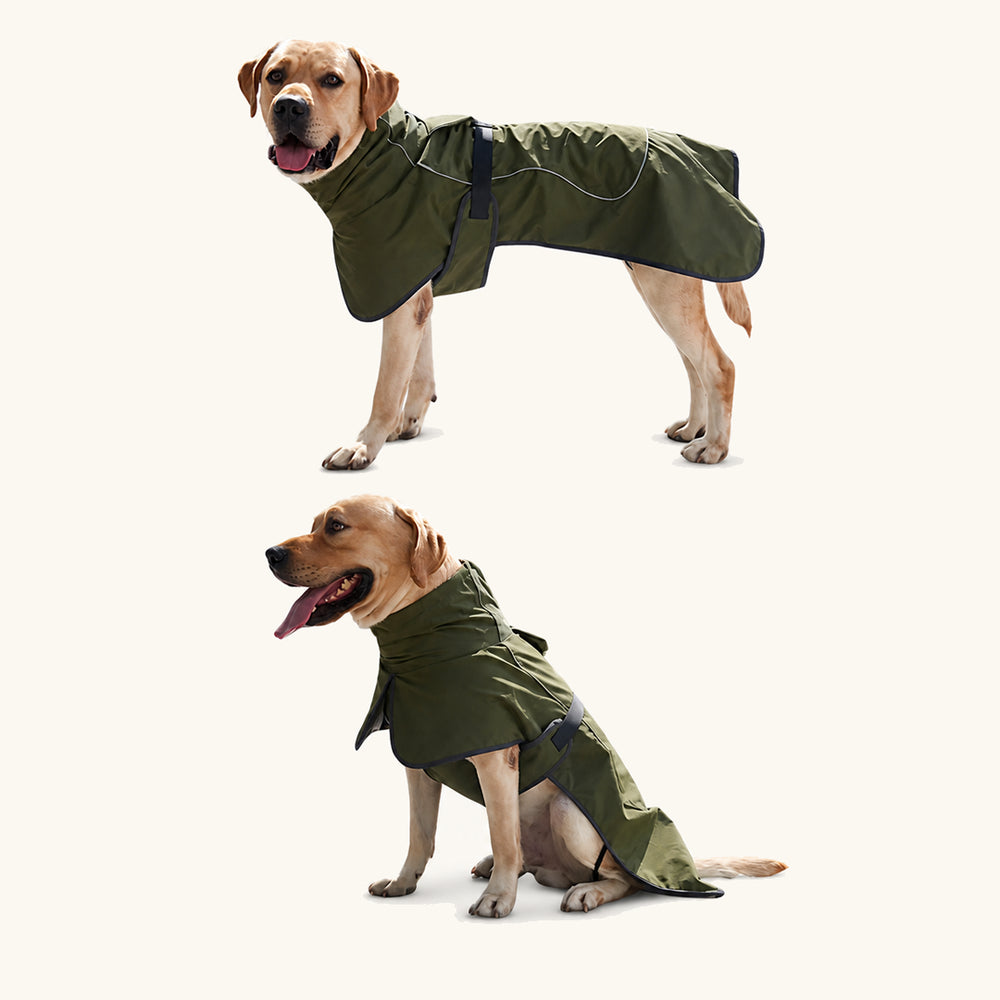
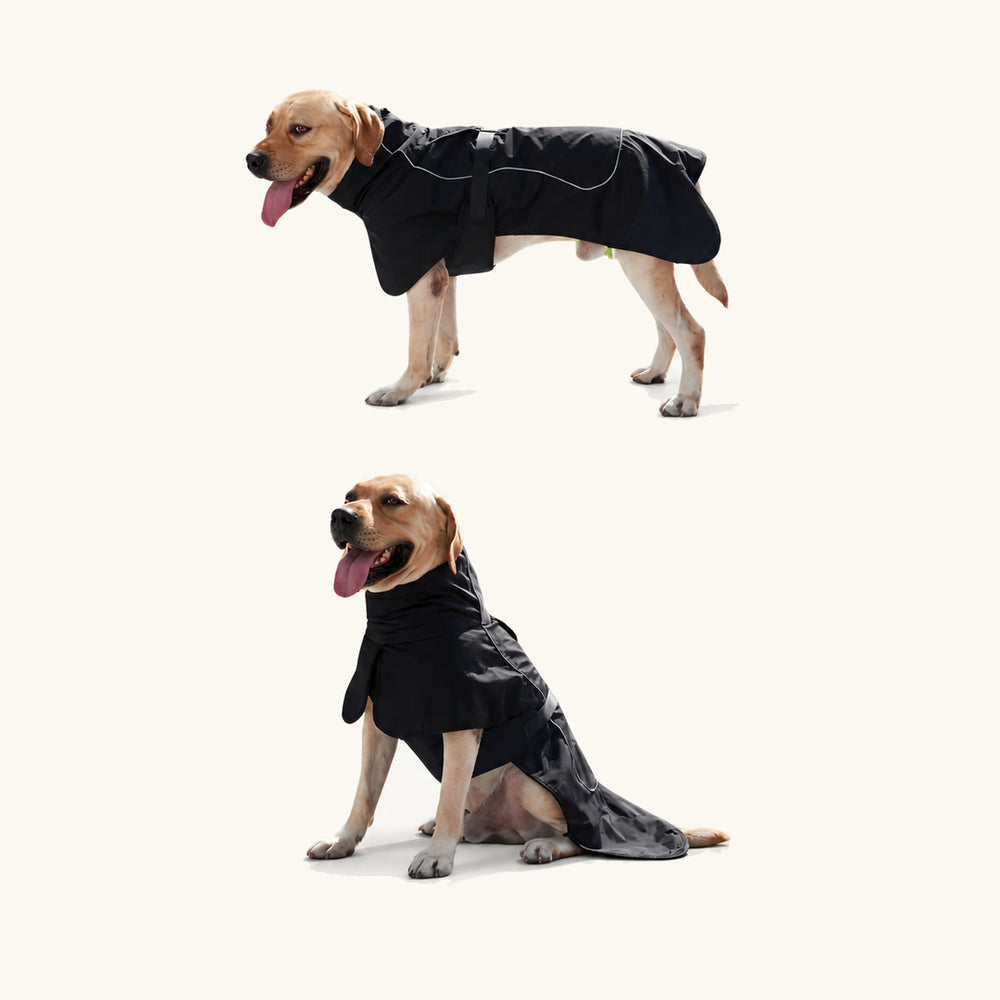
A dog coat size is a movement decision as much as a coverage decision. The All-Weather Reflective Dog Coat is available in Green or Black from XS through XXL, but those labels cannot predict how the garment will sit on every chest, back, shoulder, or belly. Measure your dog, compare the current size chart, and then test the coat through ordinary movements before taking it outside.
Take the two measurements first
Measure chest girth around the widest part of the rib cage, keeping the tape level and comfortably close. Measure back length along the topline from the base of the neck to the base of the tail. Have your dog stand naturally rather than measuring while curled, sitting, or twisting.
Write down both measurements and compare them with the current chart. If chest and back suggest different sizes, do not force the smaller one to preserve length. A broad chest, deep body, narrow waist, or long back can make a simple label misleading.
Use breed and weight only as context
A breed name can help you anticipate body shape, but it is not a substitute for your dog’s measurements. Dogs within the same breed can differ in chest depth, back length, coat thickness, and tolerance for clothing. Weight is also only a general reference unless the garment’s current chart specifically uses it.
The goal is a coat that stays in position while the dog breathes, walks, turns, sits, and relieves themselves normally. Do not choose a size because it promises a universal fit; the current Product information does not make one.
Check the chest and shoulders
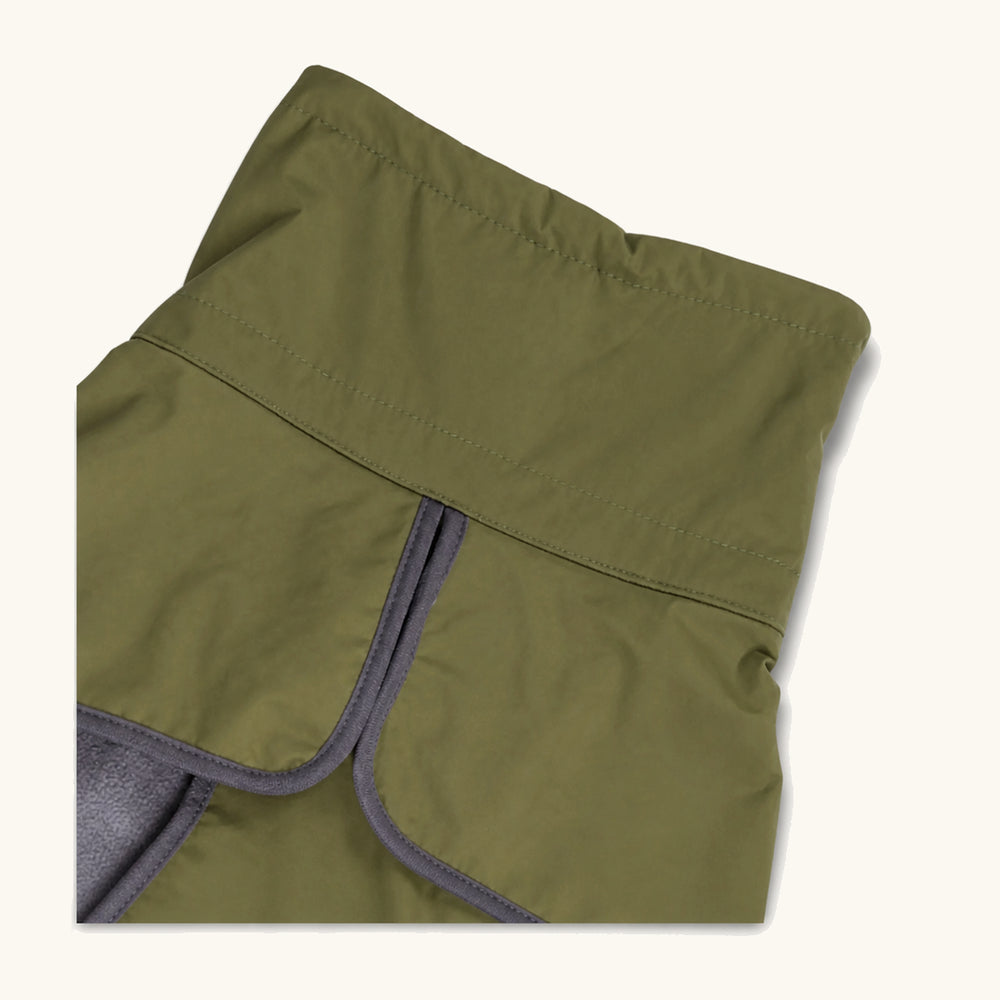
Fasten the coat indoors and look at the chest, armpits, and shoulder line. Ask your dog to walk forward, turn both directions, sit, lie down, and take a few steps backward. Watch for pulling, rubbing, gaping, twisting, or a front edge that catches the legs.
Adjust the available straps only enough to keep the coat comfortable and stable. If adjustment cannot solve the problem, try another size or another layer. Tightening a poor fit can restrict movement without improving coverage.
Check back length and coverage
Look along the back while your dog stands and walks. The coat should cover the area the garment is designed to cover without extending so far that it interferes with the tail, hind legs, or toileting. A short back measurement can leave more of the dog exposed in wind or rain.
Coverage is not the same as protection from every condition. No waterproof rating, warmth rating, or temperature guarantee is listed. Treat the coat as an outer layer and watch the dog’s response.
Check belly comfort and leash access
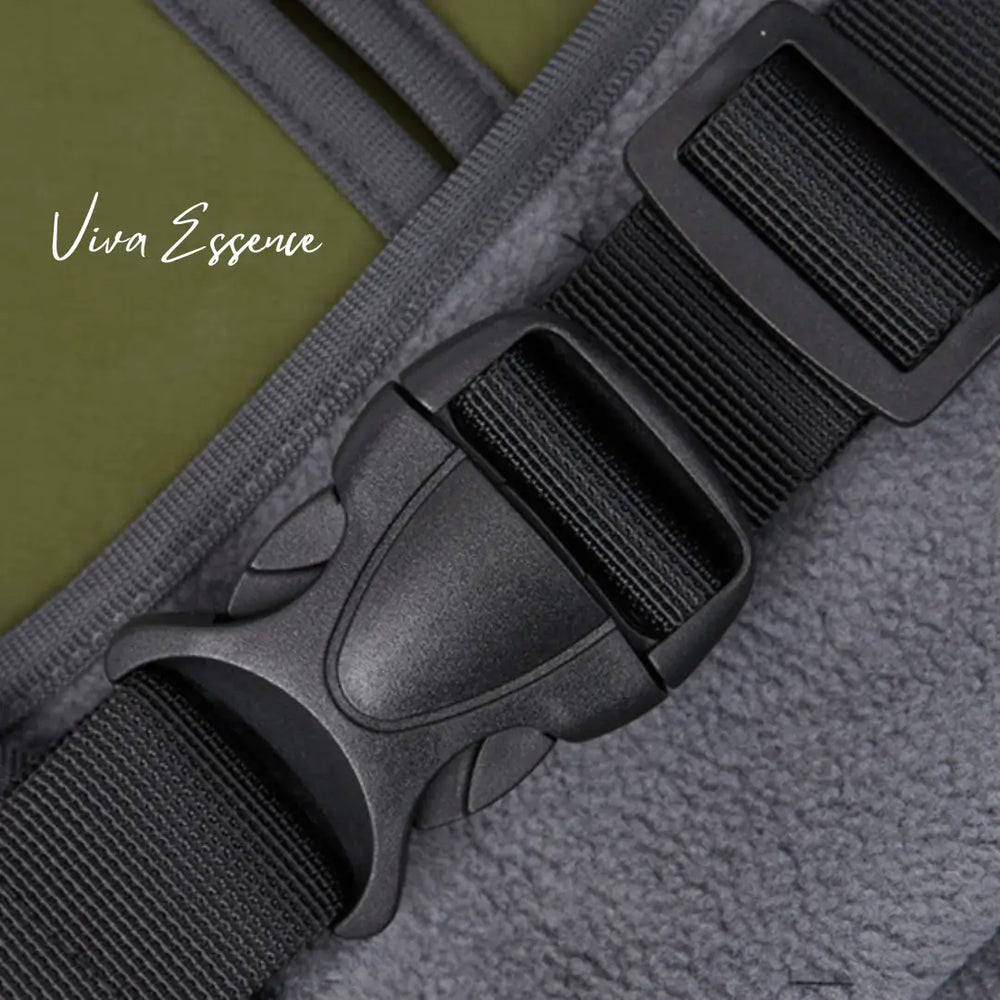
Inspect the belly area, closures, and any points where the coat meets a harness or collar. Your dog should be able to move without the garment pinching or shifting. Keep the leash-access opening aligned with your actual gear rather than assuming every harness will line up.
Walk indoors with the leash attached if the fit remains comfortable. Confirm that the leash does not pull the coat sideways and that you still have normal control. The opening is a convenience feature, not a certification of escape resistance or load performance.
Test before a real outing
Start with a short familiar route and ordinary weather. Notice whether the dog walks naturally, scratches at the coat, overheats, shivers, or tries to remove it. End the trial early if the dog is distressed, and inspect the skin after removing the coat.
Reflective detail is helpful when headlights or streetlights reach it, but it is not a replacement for a safe route, leash control, identification, or other visibility measures. Fit and visibility are separate checks.
Choose the final size
Choose the size whose current chart range matches the measurements and whose indoor movement test remains comfortable. If your dog sits between rows, use chest, back, shoulders, belly, leash alignment, and the dog’s response together. A larger label is not automatically a safer or warmer choice.
For the full decision, review the current coat and chart, then read the outer-layer comparison. A careful size choice should leave enough room for normal movement and a calm, supervised walk.

Common Questions
Should I choose by breed?
No. Breed is context only. Chest girth and back length plus the movement test are better starting points.
What if chest and back suggest different sizes?
Compare the chart, prioritize a comfortable chest and shoulder fit, and reassess rather than forcing a tight size.
Can I use weight alone?
No. Weight isn't a reliable sizing rule for this coat.
What should I check after a walk?
Inspect skin, fur, closures, reflective trim, and seams for rubbing, moisture, or damage.
More Fit Guidance
Review related fit and buying questions for this product.
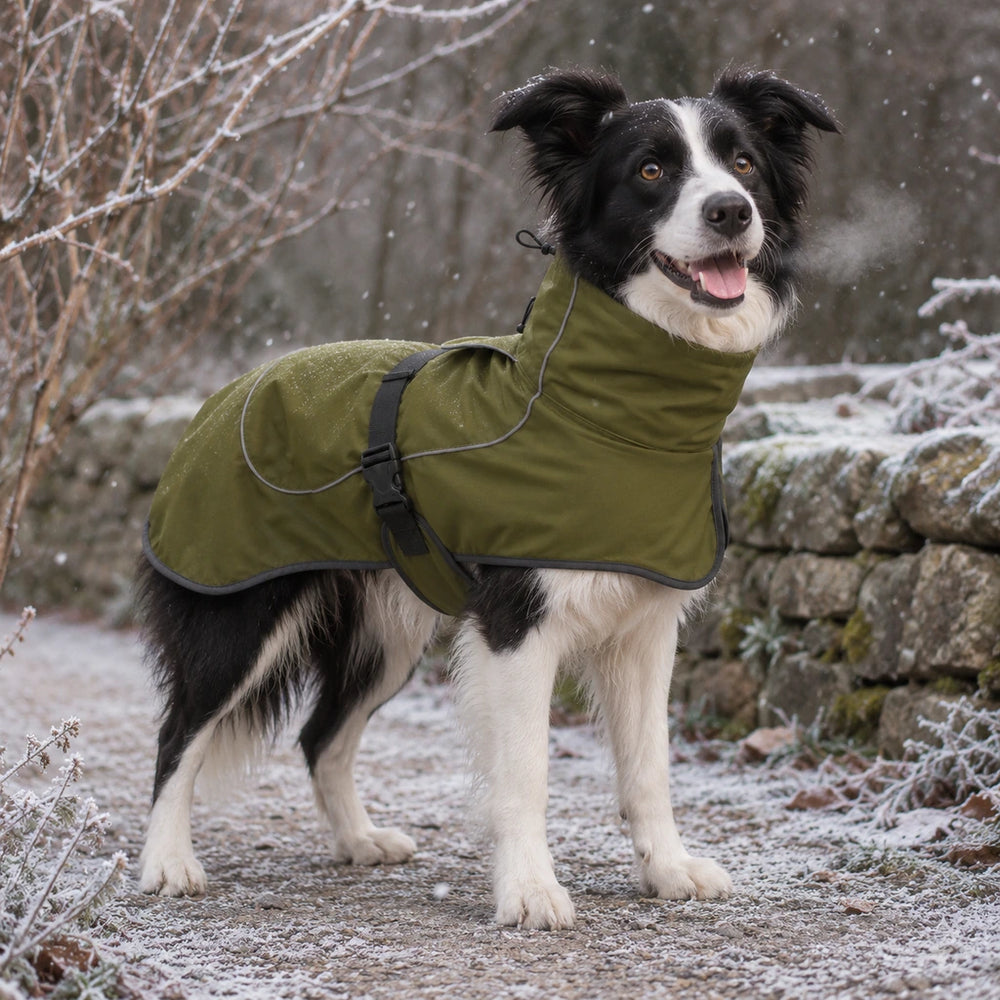
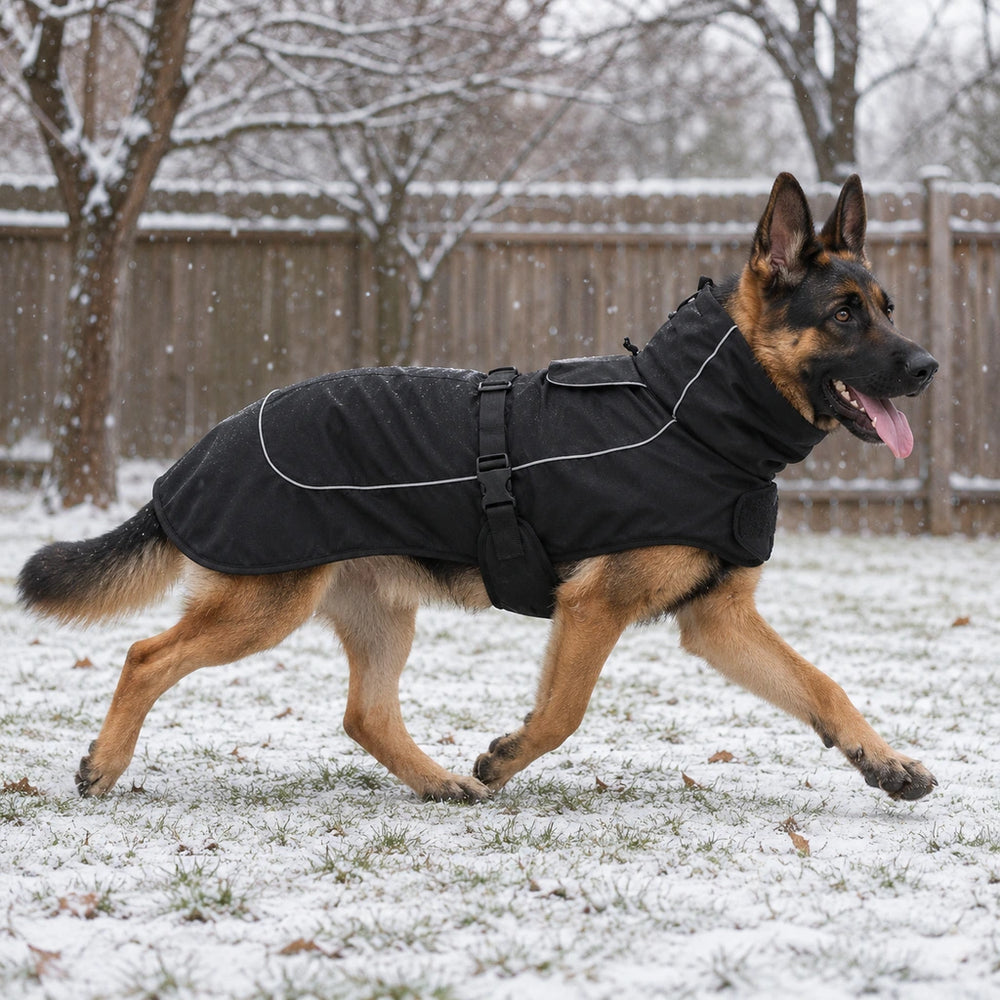
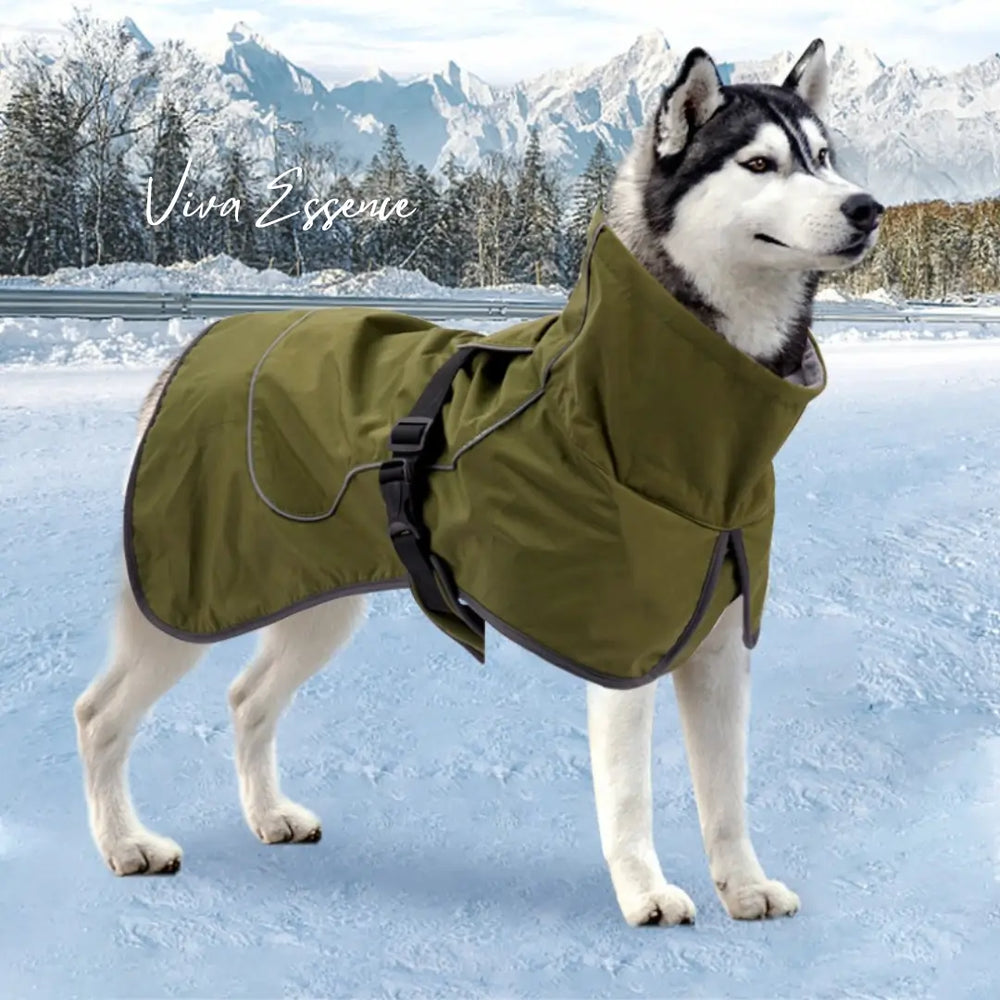


All-Weather Reflective Dog Coat
- Reflective Winter Dog Coat
- Water-Resistant Outer Layer
- Low-Light Reflective Trim
- Harness-Access Opening
