

First Winter Walk With a Reflective Dog Coat: Fit, Layering, and Care
Plan the first winter walk with a reflective dog coat: fit checks, gradual introduction, layering, leash setup, damp-weather care, and comfort signs. A.
Step-by-step guide
-
Measure and Choose a Starting Size
Compare chest girth and back length with the current chart rather than using breed or weight alone.
-
Let the Dog Investigate
Offer the coat for sniffing and touch, then pause if the dog freezes, scratches, hides, or backs away.
-
Test Movement Indoors
Fasten it and ask for walking, turning, sitting, and a few backward steps while checking shoulders and belly.
-
Align the Leash Opening
Use the opening only when the actual collar or harness lines up and leash control remains normal.
-
Take a Short Familiar Route
Begin in daylight and moderate conditions, watching gait, rubbing, shivering, overheating, and reluctance.
-
Dry and Inspect Afterward
Follow the supplied care directions, dry the coat fully, and check trim, closures, adjustment points, and seams.
The Full Answer
A first walk in a reflective winter dog coat should be a fit and confidence check, not a test of endurance. Give your dog time to understand the fabric, fastenings, and leash opening indoors before adding wind, rain, snow, traffic, or darkness. A short familiar route gives you better information than a long outing far from home.
Measure before the first fitting
Use the widest chest measurement and back length to choose a starting size. Check the current size chart and compare your dog’s measurements rather than relying on breed or weight alone. A coat that is too short may leave the back exposed, while one that is too tight can restrict the chest or shoulders.
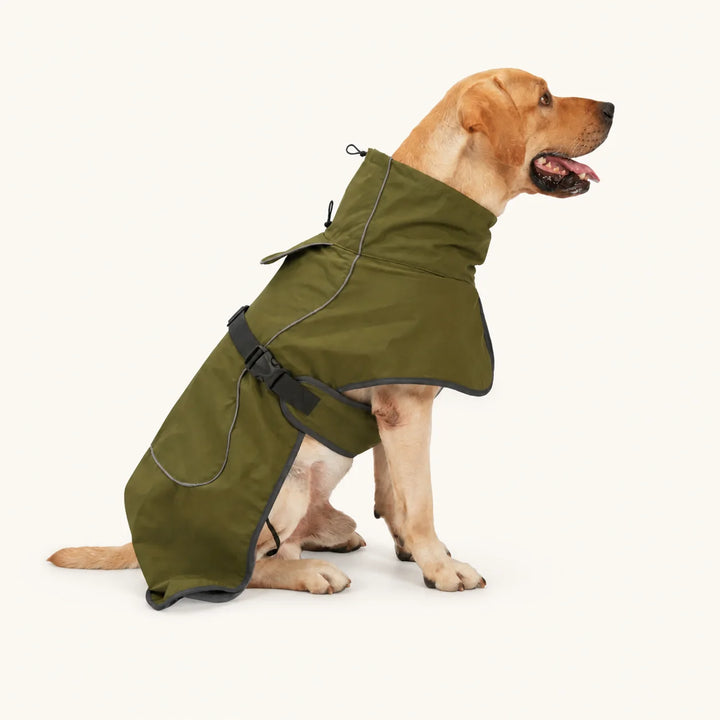
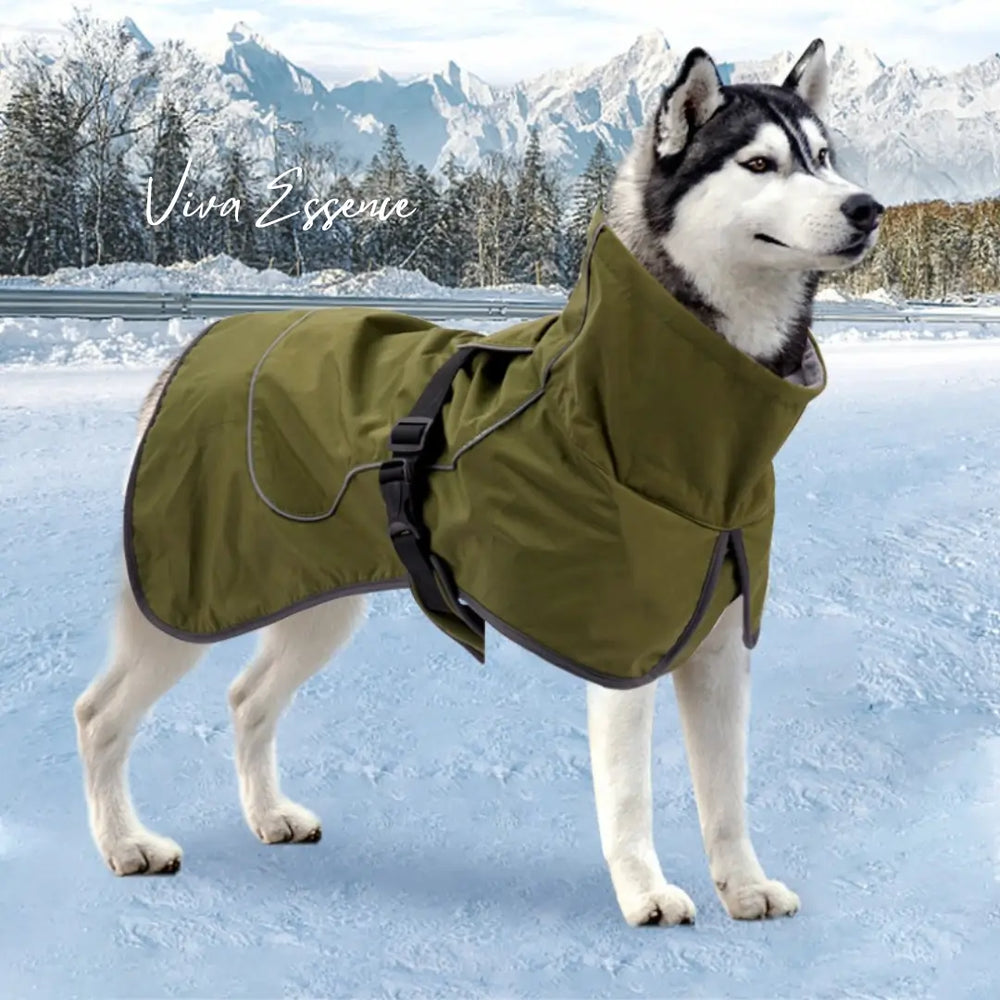
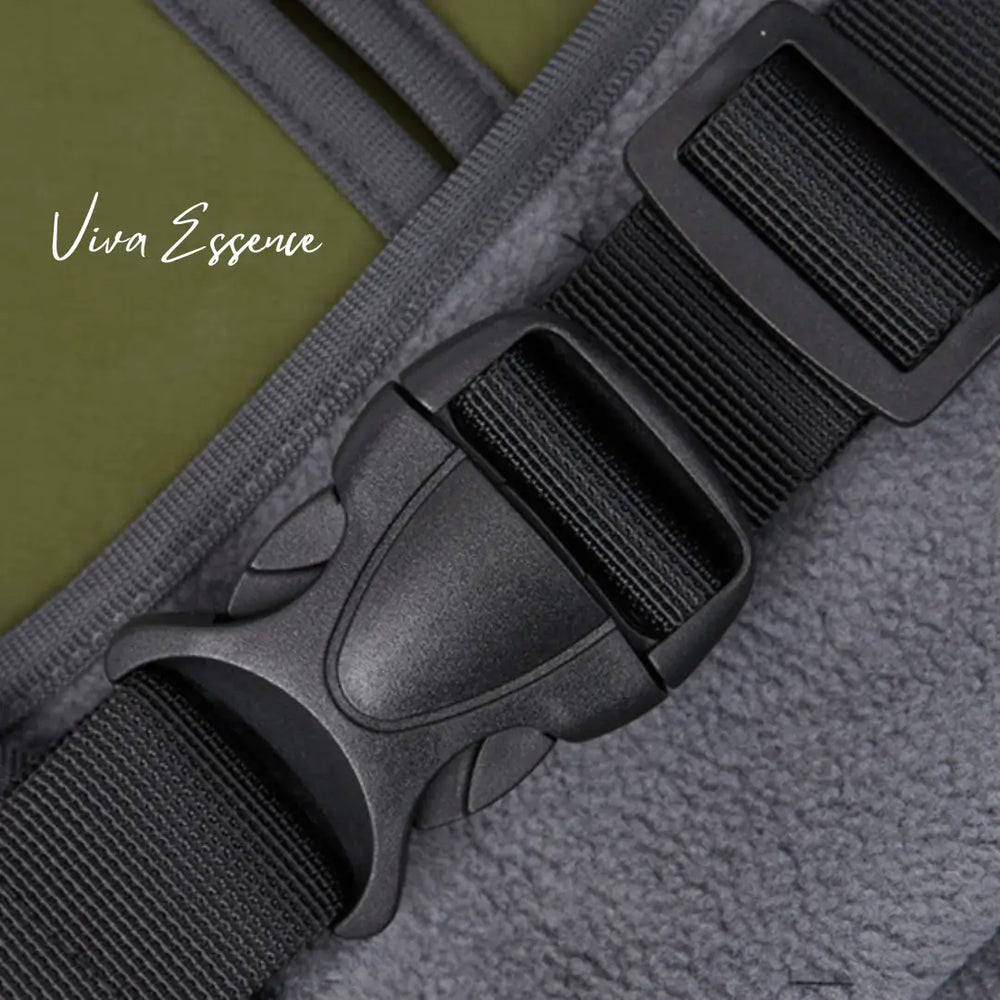
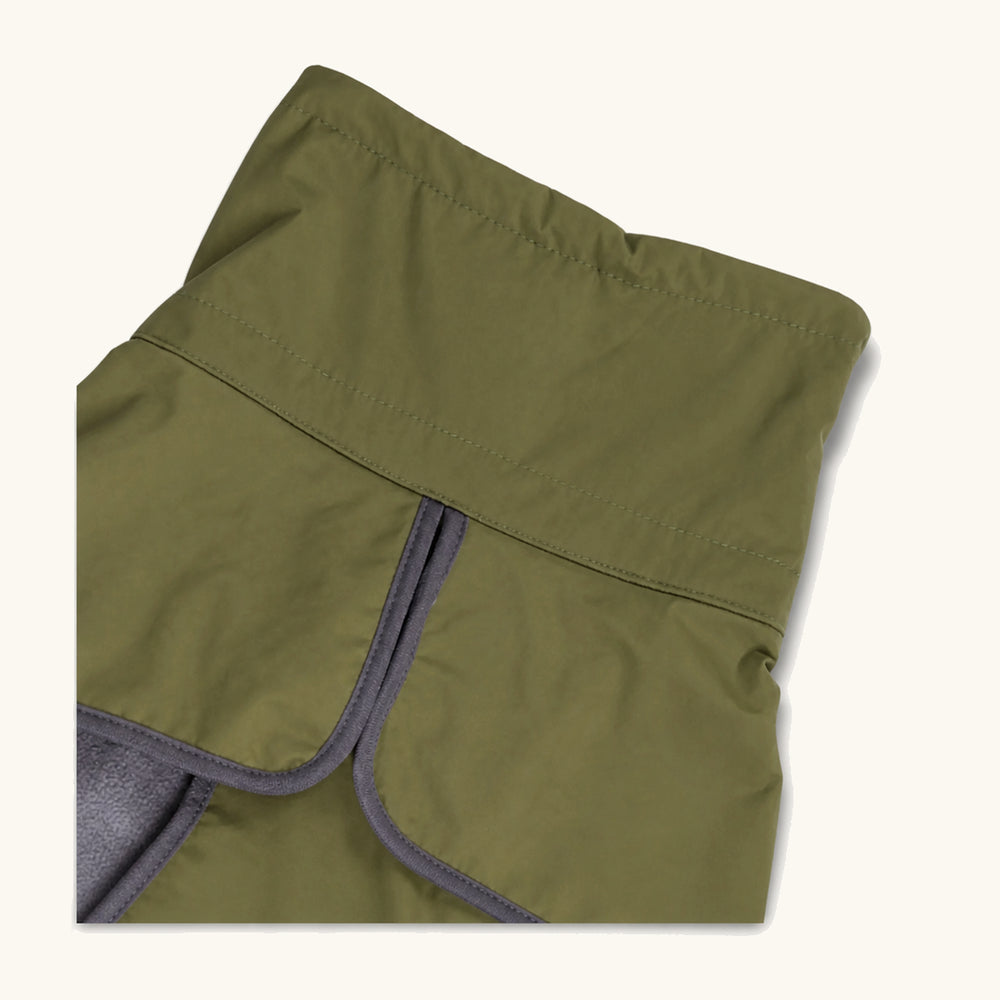
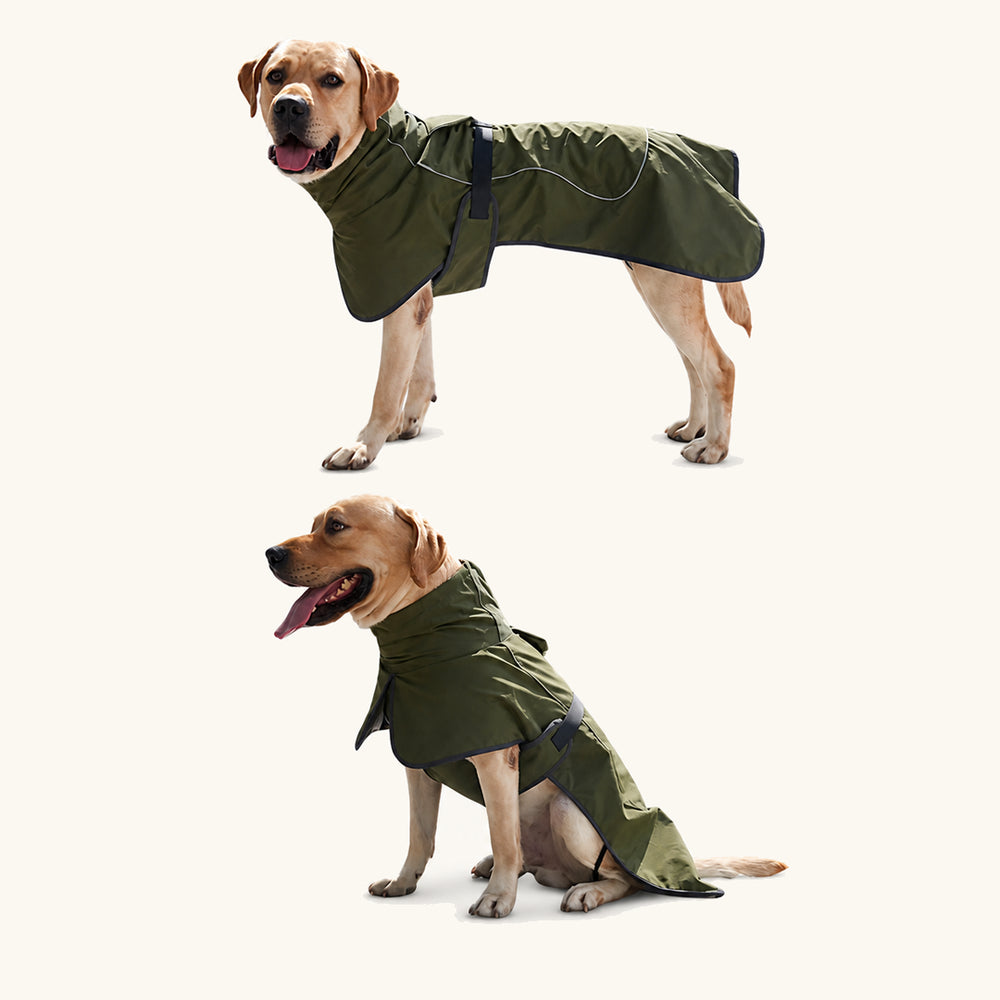
Put the coat on in a quiet room and inspect the neck, chest, belly, closures, and leash-access opening. Ask your dog to walk, turn, sit, and take a few steps. The fabric should not twist, rub, catch, or make the dog change their stride.
Let the coat become familiar
Place the coat near your dog and let them sniff it. Touch the fabric to the shoulder or back, then pause. If your dog backs away, freezes, scratches, or becomes distressed, remove it and try again later. Comfort begins before the first buckle is fastened.
Keep the first wearing session brief. Offer calm praise while the dog moves normally, and do not hold the dog in the coat to force acceptance. Some dogs prefer a sweater, no clothing, or a different style of outer layer.
Check the walking movement
Once your dog is relaxed indoors, walk a few laps on a clear floor. Look at the shoulders, front legs, belly, tail area, and the coat’s back opening. Adjust only as much as the design allows. More tension is not a substitute for choosing a better size.
Attach the leash through the opening only when your collar or harness lines up with it. Confirm that the leash does not pull the coat sideways and that you still have normal control of your dog. The opening does not certify compatibility with every harness.
Choose a short first route
Begin near home in daylight and moderate conditions. Let your dog walk at an ordinary pace and watch for rubbing, overheating, shivering, reluctance, or repeated attempts to remove the coat. Turn back early if the dog is uncomfortable; ending calmly is part of good introduction.
Reflective details can help when light hits them, but they do not replace a leash, identification, a safe route, or a person watching traffic and other hazards. Use additional visibility measures when conditions require them.
Keep winter hazards separate
Cold-weather clothing covers only part of a walk. Ice, salt, antifreeze, frozen water, wind, and wet ground may affect paws, legs, belly, and behavior. Shorten the outing in severe conditions and wipe exposed areas after coming home.
No temperature threshold or independent warmth rating is listed, and not every dog will stay comfortable. If your dog shows signs of cold stress, overheating, pain, or distress, end the outing and seek appropriate professional advice.
Reset the coat afterward
Remove the coat calmly at home and check the skin and fur around the neck, chest, belly, and closures. Follow the supplied care directions, wipe away ordinary moisture, and let the coat dry before storing it. Do not invent a wash or drying program from another garment.
Inspect seams, reflective trim, fasteners, and adjustment points. Stop using the coat if it becomes damaged, sharp, loose, or uncomfortable. A clean, dry, inspected coat is ready for another short trial.
Decide whether to continue
After the first walk, ask whether your dog moved naturally, stayed comfortable, and could be controlled on the route. If the answer is no, try a different size or layer, shorten the outing, or leave the coat out of the routine.
Read the measurement-first size guide and the layer comparison, then review the current reflective coat. For persistent rubbing, pain, or unusual cold sensitivity, contact a veterinarian.

Common Questions
Should the first walk be long?
No. Start near home and finish early if the dog is uncomfortable or the conditions change.
Can I layer a sweater underneath?
Only if the actual combination still allows normal chest, shoulder, belly, and leash movement; no universal layering rule is established.
Does the reflective trim replace a light?
No. It is a reflective cue when light reaches it, not a light source or a replacement for a safe route.
When should I stop using the coat?
Stop for distress, overheating, shivering, rubbing, restricted movement, or damage and reassess the size or layer.
More guides
Continue with related guides for this product.




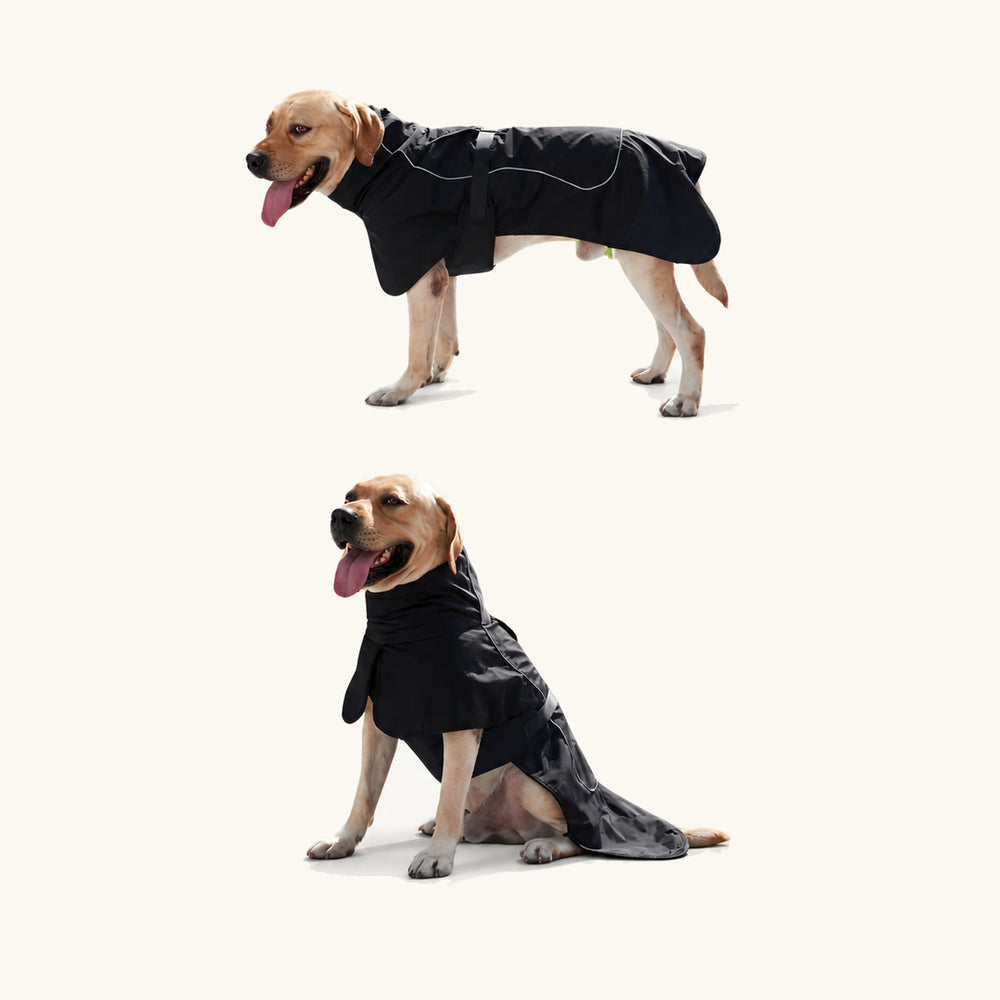
All-Weather Reflective Dog Coat
- Reflective Winter Dog Coat
- Water-Resistant Outer Layer
- Low-Light Reflective Trim
- Harness-Access Opening
