



Pet Bed Alternatives: What Should You Compare First?
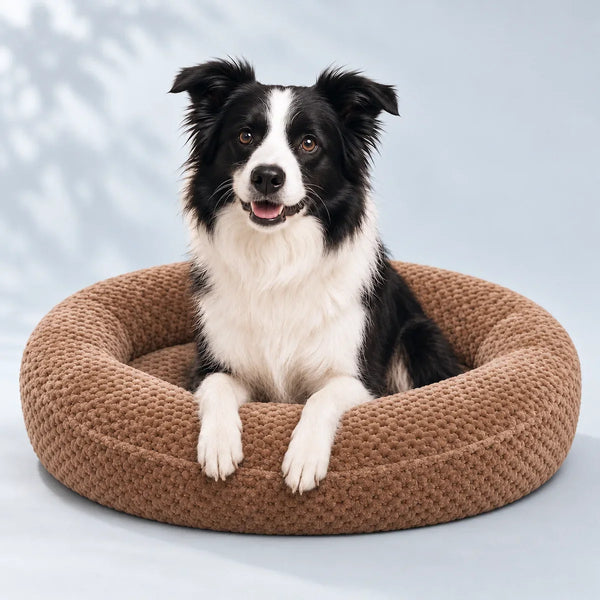
Plush Haven is one raised-rim rest option. The right alternative depends on how the pet sleeps, enters, settles, and how the owner can care for the spot.
Compare the Alternatives
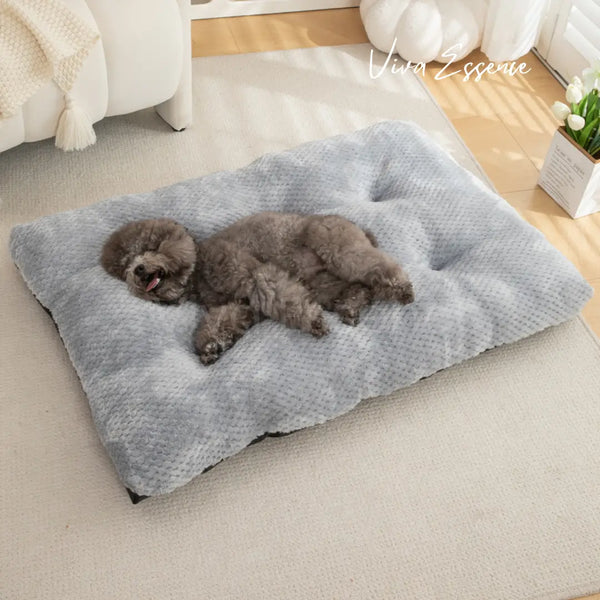
Plush Haven Calming Pet Bed
Flat Pet Mat
Keeps the sleeping surface broad and easy to step onto
- Best For
- Pets that sprawl or prefer open space
- Trade-off
- Offers no raised edge for leaning or chin support.
Familiar Blanket
Adds a movable layer without changing the rest location much
- Best For
- Pets that move between rooms or already choose a known spot
- Trade-off
- Does not create the same defined padded boundary.
Covered Bed
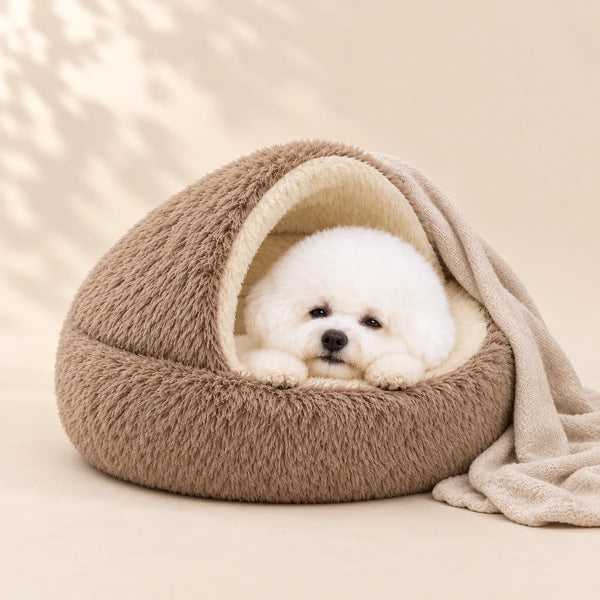
Changes the sense of shelter around the resting space
- Best For
- Pets that seek more enclosure
- Trade-off
- May reduce visibility or add access questions for some pets.
Different Room Placement
Solves the environment before changing the bed shape
- Best For
- Pets whose current problem is traffic, noise, or a blocked route
- Trade-off
- May require rearranging furniture and observing a new routine.
The Full Answer
Short answer: choose a pet bed by the rest problem you are trying to solve. A raised-rim Plush Haven bed may suit a pet that curls, leans, or likes a defined edge. A flat mat may suit a pet that stretches out, changes position often, or prefers an open surface. A covered bed, blanket, or a better room location may also be the more practical answer. The current Plush Haven record describes a plush raised rim, a rectangular footprint, a non-slip base, and a removable washable cover. It does not make the bed a medical treatment or a guaranteed behavior change.
Start with the pet’s real rest habit
Watch how your pet settles before comparing products. Does the dog curl into a tight shape, rest the chin on an edge, lie on one side, or spread across the whole surface? Does the cat choose a quiet corner, a place near the family, or several spots during the day? These observations give you a better starting point than a breed label or a photograph of another pet.
Also notice the moment that makes you look for an alternative. You may be replacing a thin mat, moving a bed away from a drafty doorway, creating a dedicated spot beside the sofa, or trying to keep a rest area easier to clean. Naming that task keeps the comparison practical. A product can have the right shape and still be the wrong answer for the room or sleeping posture.
Keep a flat mat in the comparison
A flat mat leaves the sleeping surface open. That can be useful for a pet that sprawls, changes direction while resting, or prefers to step on and off without a raised boundary. It may also be simpler to place under a desk, beside a crate, or in a narrow passage. The tradeoff is that it gives the pet less of a padded edge to lean against.
Do not describe the flat option as better or worse in general. Look at what your pet does with the available space. If the body regularly reaches the edge, the open surface may be useful. If the pet always folds into one corner, the extra open area may not add much. The observation belongs to your pet, not to a universal product ranking.
What the raised-rim option changes
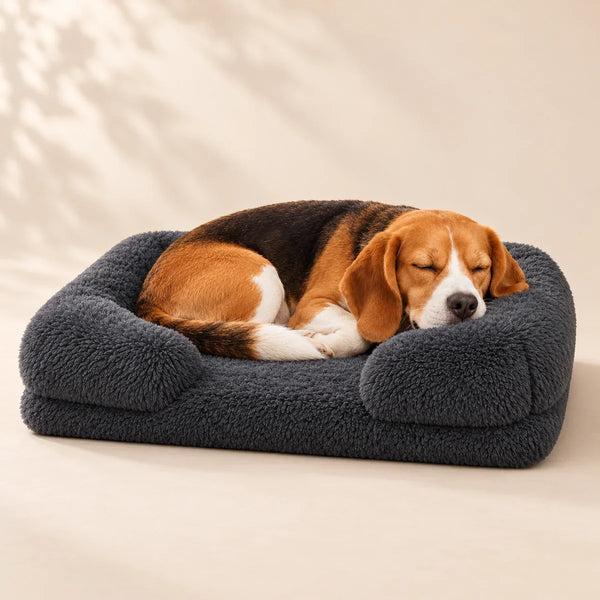
Plush Haven has a rectangular plush sleeping surface with a raised padded rim. The product information also describes an orthopedic-style and calming bed, but those words are product descriptors. They do not establish pain relief, joint protection, anxiety treatment, or a clinical result. Keep the literal shape and the pet’s response at the center of the decision.
A raised edge can give a curled sleeper a clear boundary and can offer a place for a chin or shoulder to meet the rim. It can also reduce the open area available to a pet that sleeps long or turns widely. Check the usable surface around the pet’s body rather than assuming the outer dimensions describe the inside. The full footprint still needs to fit the room.

Consider other rest arrangements
A blanket on a familiar floor can be the simplest alternative when the pet already chooses that spot and the owner needs an easy layer to wash or move. A covered bed may suit a pet that seeks more enclosure, while an open mat may suit a pet that wants a broad view. These categories describe different spaces. They do not prove that a pet will accept any one of them.
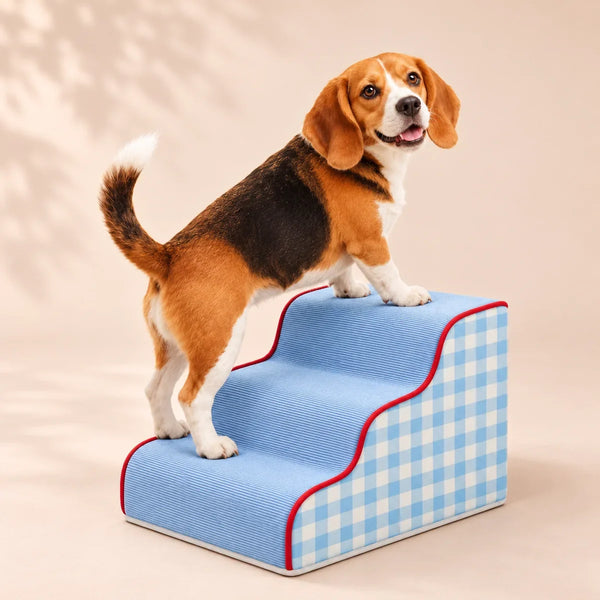
A raised or elevated surface can change the way a pet approaches a bed, but it may also add a step or a different access question. Do not add a new height when the pet has a changing gait or difficulty climbing without asking a veterinarian what is appropriate. Bedding should not be used to diagnose a mobility issue or to promise a result.
Let the room take part in the decision
Place the possible bed where the pet can reach it without weaving through clutter or making a difficult turn. A spot near family life may make the bed easy to notice, while a quieter corner may fit a pet that rests away from activity. Keep the approach clear and watch what the pet does with the spot instead of assuming that a well-decorated corner will become the preferred bed.
Think about the owner’s routine too. The bed needs enough floor space for its outer footprint, a place where the cover can be removed and dried, and enough access to check the base. If the only available location blocks a doorway or leaves too little room around the pet, a smaller mat or a different room may be more useful.
Compare daily care, not just the first impression
The current Product wording says the cover is removable and washable. That is useful for planning care, but it does not tell us a wash temperature, dryer setting, stain guarantee, or laboratory cleaning result. Follow the product information available at the time of care and let the cover and bed dry fully before returning them to the pet’s spot.
A flat mat may be easier to move, while a plush raised-rim bed may create more fabric and edge area to check. Neither difference decides the purchase on its own. Ask whether you can lift, clean, dry, and return the chosen bed without making the daily routine harder. A good alternative is one you can keep up with.
Consider the moments between naps
A rest surface also has to work when the pet is not asleep. Leave a clear route from the bed to the room’s usual water, family, and exit areas. Check whether the edge catches a paw, whether the bed crowds a doorway, and whether you can move it for cleaning. These details can matter more than how the bed looks in a single product image.
If the pet uses several rest places, you do not need to replace all of them at once. Keep one familiar option while you observe the raised rim. A second spot can answer a different need, such as an open surface for stretching or a movable layer for a room the pet visits briefly.
Give each alternative a fair question
Ask what you want to learn from each option. A flat mat can show whether the pet wants open space. A blanket can show whether familiarity matters. A different room can show whether traffic or noise was the problem. A covered bed can show whether the pet seeks more enclosure. None of these observations becomes a product guarantee.
Write down the choice in plain language and revisit it after the pet has had time to use the space. If the bed is ignored, change one practical detail before changing the whole plan. This keeps the decision grounded in the pet’s routine and the owner’s ability to care for the spot.
Keep health questions separate
If the pet has a new limp, pain, swelling, a wound, a sudden change in sleep, or a new reluctance to rise, bedding is not the first answer. Speak with a veterinarian. A supportive rest surface can be one home consideration after professional advice, but Plush Haven isn't described as treating arthritis, pain, anxiety, or recovery.
General dog-bed guidance from the American Kennel Club discusses size, rest space, and washable covers as selection questions. It does not test Plush Haven or prove a medical outcome. Use outside guidance to frame questions, not to turn a category description into a promise.
Use the pet’s choice as information
Introduce one change at a time in a familiar room. Leave the bed available, avoid forcing the pet onto it, and notice whether the pet approaches, rests, leaves, or returns later. A refusal can mean the location, texture, edge, temperature, or timing does not suit that moment. It is not evidence that the pet is difficult, and it isn't a sign of a medical problem on its own.
Give the new bed a fair look from the pet’s height. Is the path clear? Does the outer size leave enough room to step around it? Can the pet settle without pressing into the edge? These simple checks often tell you more than a broad label such as calming or orthopedic-style.
Start with the rest question
When you are looking for a plush dog bed, the useful first question is not which label sounds best. It is whether the pet needs a defined edge, an open surface, or a different home arrangement. Plush Haven brings a raised padded rim, a plush surface, listed outer sizes, and a removable washable cover into that comparison. A flat mat keeps more of its surface open, while a blanket or another bed may be easier to move or familiar to the pet.
- Choose the raised shape when the pet already curls, leans, or settles inside a defined boundary.
- Keep an open alternative when the pet sprawls, changes places often, or prefers a flatter surface.
- Check the room route and care routine before treating a color or feature list as the decision.
This keeps the choice practical. The current Plush Haven facts support a literal comparison of shape, footprint, base wording, and cover care. They do not establish foam performance, joint protection, anxiety relief, or a universal preference.
Make a reversible choice
Keep the old mat or familiar blanket available while you learn what the pet prefers. If the raised rim becomes the chosen boundary, you can move the bed into the room that works best. If the pet continues to choose the flat mat, you have learned something useful without discarding the original routine. The goal is a workable rest spot, not a forced change.
For dimensions and listed options, use the size and color guide. For the direct raised-versus-flat tradeoff, read the comparison guide. If the raised-rim shape still matches the pet’s posture and the room, review the current Plush Haven bed listing. Choose what the pet can use and what you can care for without turning the bed into a treatment promise.
Common Questions
Is a raised-rim bed better than a flat mat?
Neither is universally better. A raised rim may suit a pet that curls or leans, while a flat mat may suit a pet that sprawls or wants open space.
Does Plush Haven provide orthopedic or calming benefits?
The current Product uses those descriptors, but no product-specific clinical or behavior result is established. Use the bed as a rest-surface choice, not a treatment.
What should I compare before buying?
Compare sleep posture, usable footprint, room access, cover care, base behavior on the actual floor, and whether the pet can choose the spot voluntarily.
What should I compare before choosing a plush dog bed?
Compare the pet’s posture, usable space, access route, room placement, and care routine. A raised rim is a shape, not a guarantee of comfort or behavior change.
Compare More Options
See related decision pages for this product.


Plush Haven Calming Pet Bed
- Calming Bolster Pet Bed
- Plush Padded Comfort
- Bolsters for Curling Up
- Non-Slip Base
