
Is a Bat Cat Costume Good for Halloween Photos?
See whether a bat cat costume fits Halloween photos, party moments, and pet-lover gifts, with short-wear guidance and pet comfort checks. Audience fit page for.
Questions Before You Choose
Is this costume right for every cat or small dog?
No. It may suit a pet whose measurements fit and who accepts a brief, supervised try-on. Individual tolerance matters more than species or breed label.
Can my pet wear it through a Halloween party?
Keep the costume for a short, calm moment. Take it off before crowds, loud activity, meals, naps, rough play, or any time you cannot watch closely.
Is it a good pet-lover gift?
It can be a thoughtful gift only when the recipient can measure the pet, introduce the costume gently, and choose whether the pet wants to wear it.
What if my pet dislikes clothing?
Use the costume as a flat-lay photo prop or choose a simpler seasonal accessory. Never force a pet to wear it for a picture.
The Full Answer
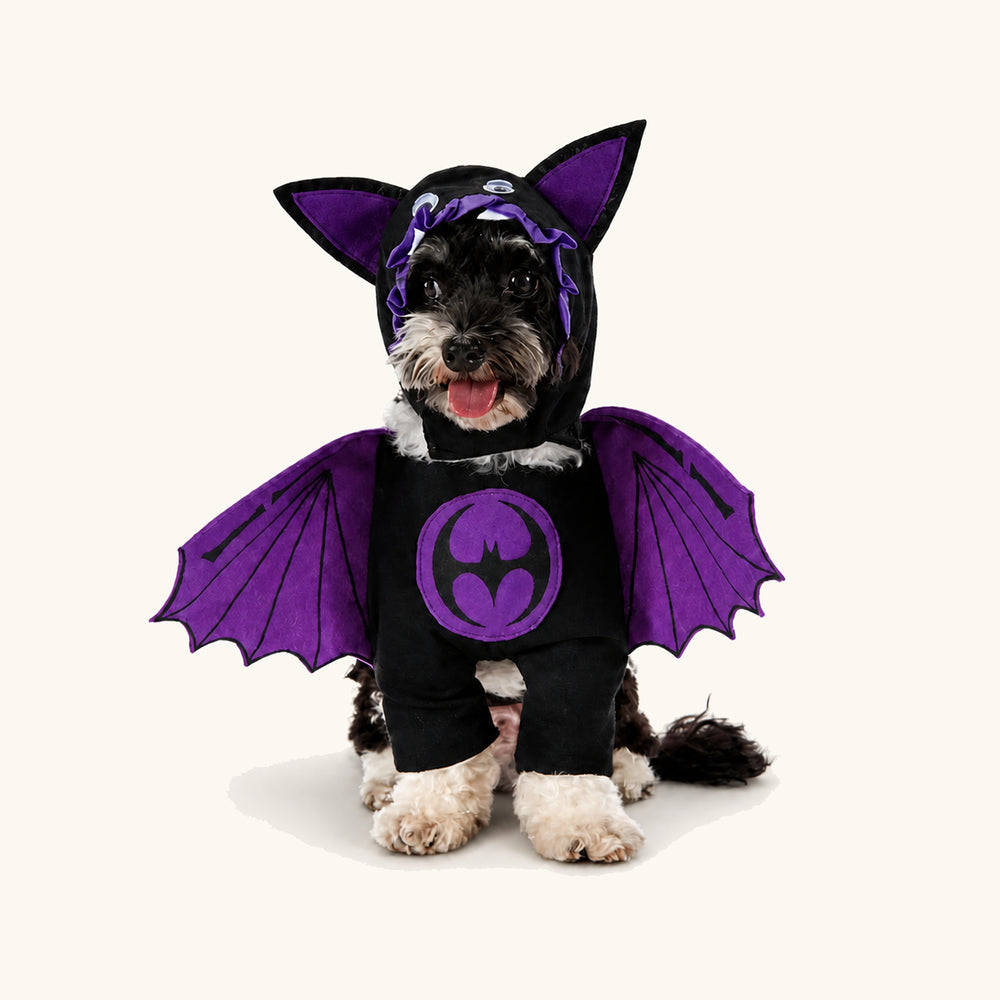
Wondering whether a bat cat costume is right for Halloween photos? Bat Cat is best approached as a short, supervised dress-up moment for a cat or small dog that already tolerates gentle handling. Its bat-wing silhouette, hood and ear details, and adjustable closures create a clear seasonal look, but a cute photo is never more important than your pet’s comfort, movement, breathing, and body language.
Start with the kind of moment you want
This costume makes the most sense when the goal is a few calm photographs, a brief indoor greeting, or a short seasonal video. Decide on the background, camera, treats, and lighting before bringing the costume to your pet. The less time your pet spends waiting in costume, the easier it is to keep the experience relaxed.
A quiet home portrait is a different situation from a crowded Halloween party. If guests, doorbells, children, music, or open doors will make the room unpredictable, take the photo in a calm space before the activity begins. You can still share the finished picture without asking your pet to stay dressed through the whole event.
Choose a pet who can opt out
Some cats and small dogs accept clothing for a moment; others dislike the feel of straps, fabric, wings, or a hood. Previous tolerance is a useful clue, not a promise. Let your pet sniff the costume, reward calm investigation, and stop if they move away. Never chase, hold down, or force a pet into a pose.
The costume is not a calming aid, a training solution, or a way to manage fear. If your pet is already hiding, trembling, unusually vocal, or overwhelmed by the setting, skip dress-up and give them a quiet place to settle. A flat-lay photo of the costume can be just as festive.
Match the size to the individual pet
Bat Cat is listed in Small, Medium, Large, and XL options, and the current costume chart includes neck, bust, back-length, and weight ranges. Measure your pet rather than relying on breed or a quick visual guess. Cats and small dogs have different body shapes, and the same weight can sit differently across the chest and back.
Before taking a picture, check that the closures sit as intended and that the costume does not press at the neck or chest. Your pet should be able to stand, turn, walk, and breathe normally. Read the Bat Cat size guide for the measurements and a slower fit check.

Prepare the room before the wings go on
Move fragile props, food, candles, cords, and small decorations out of reach. Keep candy, chocolate, wrappers, and human party food away from pets. Choose a floor with enough grip for a few steps, and close doors or gates so a startled pet cannot slip into a busy hallway or outside.
Keep the camera ready and limit retakes. One relaxed glance is more valuable than a long series of forced poses. If your pet prefers to sit beside the costume or look at it from a distance, follow that choice and make the scene about the pet rather than the outfit.
Keep the first photo session brief
Try the costume on at home before Halloween, when you have time to adjust it and observe your pet without an audience. Start with a very short session. Watch a few steps, a turn, and a sit before taking a photograph. If the costume changes the way your pet moves, cover their view, affects hearing, or makes breathing look different, remove it immediately.
Stay beside your pet for the entire session. Do not leave the costume on for sleep, meals, rough play, crate time, or unsupervised time with other animals. Wing edges, closures, and loose fabric can become a distraction or snag risk when the setting changes.
Read body language instead of chasing the perfect pose
Freezing, hiding, flattening the body, pawing at the costume, chewing the fabric, tucking the tail, repeated escape attempts, heavy panting, or unusual vocalizing are reasons to end the session. Remove the costume calmly and give your pet space. A pet who looks still is not necessarily comfortable, so look for normal movement and a relaxed response rather than silence alone.
If discomfort continues after the costume is removed, or if you notice a breathing or skin concern, stop using the outfit and ask a veterinarian for advice. This guide cannot assess an individual pet’s health or certify that a costume is suitable for every animal.
Keep Halloween hazards outside the photo
Halloween introduces more than costumes. Open doors can create escape opportunities, decorations can be chewed, and candles or electrical cords can cause injury. Keep your pet away from foods that are unsafe for animals and give them a familiar quiet area when trick-or-treat traffic begins.
If you take the costume outdoors, use a secure setting and remain close enough to remove it at once. The bat wings are for a seasonal look, not for restraint, walking control, or protection from traffic. Use the leash, harness, carrier, or boundary that normally keeps your pet safe.
Know when a different photo plan is better
- Choose a costume session when your pet is calm, the room is prepared, the size has been checked, and you can supervise every moment.
- Choose a bandana, collar accessory, or costume-only flat lay when your pet dislikes body clothing or needs a lower-commitment picture.
- Skip dress-up when your pet is ill, distressed, recovering, or unable to move and breathe normally in the outfit; ask a veterinarian about health concerns.
- Stop immediately when your pet shows repeated discomfort, even if the photograph is not finished.
Make the product choice around your pet
Bat Cat is a good match if you want a recognizable Halloween look and are prepared to measure, introduce, supervise, and remove it promptly. See the try-on and fit guide for a first session, then compare the costume with a simpler Halloween bandana option if you are unsure how much dress-up your pet will enjoy.
When the size and temperament checks line up, review the current Bat Cat costume options and plan the photo before the costume becomes part of the scene. The best Halloween picture is one made without sacrificing a pet’s ability to move away and say no.
Common Questions
What is the Bat Cat costume best for?
Short supervised Halloween photos, calm indoor greetings, and seasonal moments for a cat or small dog whose measurements and tolerance fit.
Can my pet wear it all evening?
No. Keep wear brief and supervised, and remove it before sleep, meals, rough play, or any unsupervised activity.
Should I take it to a crowded party?
A crowded party can add noise, unfamiliar people, and escape opportunities. Take a photo in a prepared quiet room or skip dress-up.
What if my pet shows stress?
Remove the costume calmly at the first meaningful sign of discomfort and give your pet space. Ask a veterinarian about a persistent breathing, skin, or health concern.
Is It Right for Your Pet?
Compare related questions for this product and use case.


Bat Cat™ Halloween Pet Costume
- Bat Wing Halloween Pet Costume
- For Cats & Small Dogs
- Great for Festive Photos
- Short Supervised Wear
