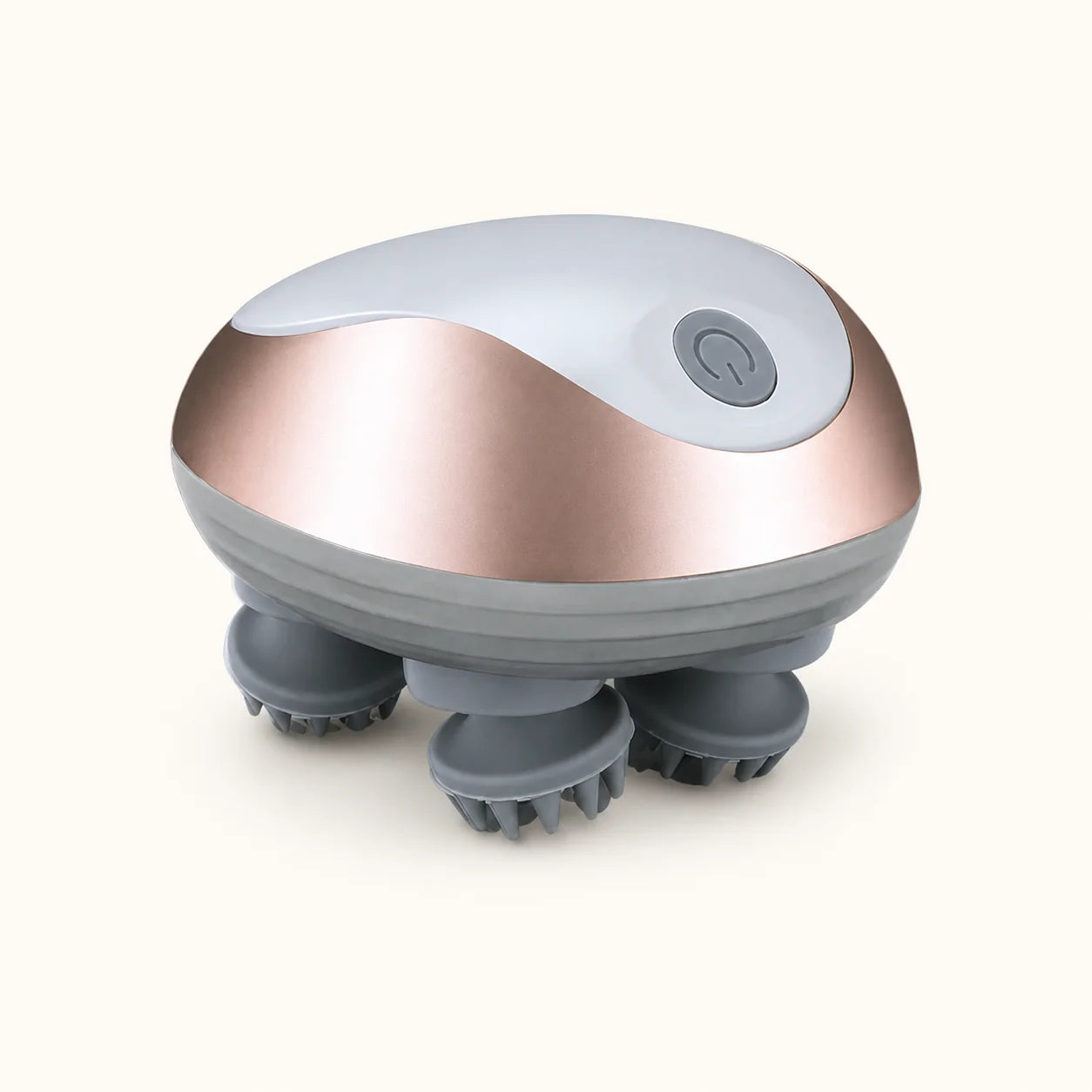
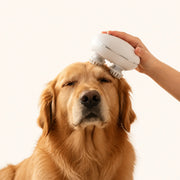
The easiest way to use Viva Pet Spa is to add it to a moment your dog or cat already enjoys. Start after brushing, during quiet couch time, or in another calm setting. Let the pet inspect the handheld massager, offer light contact on a familiar area, and finish as soon as the pet chooses to move away.
Set up a moment the pet already likes
A good routine begins before the massager touches the pet. Choose a familiar, quiet place where your dog or cat already settles. After brushing, a sofa break, or a calm period beside you can work well because the pet is not being asked to handle a new object in the middle of excitement.
Keep the first step ordinary. Place Viva Pet Spa within view, allow the pet to sniff it, and wait. You do not need to rush toward the body or make the tool the center of the room. The aim is to give the pet time to understand what has arrived and to keep the choice visible.
Keep your own routine simple as well. Sit or stand in the position you would normally use for petting, leave one hand available to offer familiar contact, and hold the massager without reaching across the pet. If the pet chooses your hand instead, that still gives you useful information. The tool is there to support a calm moment, not to replace the relationship that made the moment comfortable in the first place.
You can also prepare the space without promising that the tool will be used. Put the brush away, clear a small area beside you, and give the pet time to settle. If the pet never moves toward the massager, finish with ordinary company. A repeatable routine starts with a clear choice, not with completing a planned number of passes.
Routine one: move from brushing to a quiet finish
After brushing, put the brush down and give your pet a short pause. If the pet remains comfortable with your hand, offer one slow, light pass with the massager on a familiar area. Start where ordinary petting already works. The transition should feel like a change of contact, not a demand to continue grooming.
Watch the body rather than trying to complete a checklist. A pet that stays relaxed or repositions closer may be open to another pass. A pet that turns away, stiffens, or leaves has answered the question for that moment. End the routine without calling it a failure. The next brushing session can finish with ordinary petting instead.
This routine works best when the massager stays separate from the practical job of removing loose hair or working through a coat. The brush handles brushing. Viva Pet Spa adds a possible comfort pause after the task, provided the pet still wants contact.
Routine two: build a quiet evening pause
For an evening wind-down, wait until your pet has already settled near you. Sit in the same comfortable place you would use for ordinary bonding and offer the massager without reaching across the pet. A slow first pass can be enough to see whether the tool belongs in that part of the evening.
Keep your attention on the pet's choice. If the pet stays, you can continue with light pressure for a brief comfort moment. If the pet shifts position, offer the new position rather than trying to hold the body still. If the pet walks away, let the evening routine end there and return to quiet company without the tool.
Routine three: let a cat set the pace
Cats often make the timing obvious. Put the massager nearby and wait for the cat to remain curious or relaxed. Do not follow a cat that has moved away just to complete a pass. A cat who returns to the same spot, presents a familiar contact area, or stays close while you offer light contact is giving you a better opening.
Start with one brief pass on a place the cat already enjoys during petting. The head, shoulder, or back may be familiar contact areas for some cats, but the right choice belongs to the individual animal. Treat the product description as a starting point, not a rule that every cat will accept every area.
The session can end after one pass. A short, voluntary interaction is a complete routine. If the cat walks away, tenses, or avoids the tool, switch back to ordinary space and try no further contact that day.
Routine four: make the first try small
For a pet that has never met a massager, use a first-try routine with one job: learn whether the object feels acceptable. Let the pet inspect it first. Keep your hand steady, use light contact, and choose an area the pet already accepts from you. A minute can be enough for this first test, especially if the pet is still deciding what the sensation means.
End early while the room is still calm. You do not need to wait for a dramatic reaction or keep going until the pet loses interest. Put the massager away, give the pet ordinary space, and treat the next introduction as a new choice. A gradual pattern gives you clearer information than a long first session.
Read the response and adjust the next attempt
A useful response is quiet and voluntary. Your pet may remain beside you, shift into a more comfortable position, or accept another light pass. These signs tell you that the current pressure and location are tolerable in that moment. They do not promise that the next day will look identical, so keep the same low-pressure approach.
A stiff body, avoidance, a protected area, or a move away is a clear reason to pause. Use less contact, return to ordinary petting, or finish the session. Do not use the tool to hold a pet in place. A routine based on choice stays easier to read and easier to repeat.
If the concern involves pain, injury, swelling, irritated skin, a wound, or an area your pet guards, change the type of decision. This page is about a comfort routine for a receptive pet. A veterinary professional should guide any health-related question before a home massage tool is used for that concern.
Adapt the routine to a changing home
The same sequence can feel different when the room changes. If visitors, noise, a doorway, or another interruption has made the pet watchful, leave the massager aside and return to ordinary space. You can repeat the introduction another time in the familiar location. There is no reason to add a new object when the pet is already deciding how to handle a busy room.
Before you begin, keep the landing area clear of a leash, bowl, laundry basket, loose blanket, or other household item. The pet should have ordinary room to step aside without meeting a new obstacle. If the routine happens near a doorway, choose a position away from the threshold and keep the passage open.
A repeat signal can be practical for you without becoming a rule for the pet. Use the same chair, mat, or quiet corner when that place already works, then wait for the animal to choose its position. Familiar surroundings may make the next introduction easier to read, but the pet still decides whether contact happens.
Do not stage the routine around an active chore. If a vacuum, speaker, open suitcase, food preparation, or cleaning supplies are moving through the room, postpone the introduction until the space is ordinary again. The massager does not need to compete with household activity for the pet's attention.
For a household with more than one pet, keep the invitation individual. Let one dog or cat choose whether to approach while the other has ordinary room to move. This makes it easier to notice which animal is accepting the contact and avoids turning the routine into a group exercise. If attention is divided, put the tool away and keep the interaction simple.
A useful reset has three parts: put the massager down, give the pet space, and return to a familiar activity such as sitting together or finishing the grooming routine without the tool. On a later day, begin again with inspection and a single light pass. A flexible routine is easier to understand than a fixed promise about when or how often the massager must be used.
Imagine a small evening sequence: the doorbell rings, the visitor leaves, the pet returns to its mat or usual corner, and you sit nearby before bringing the tool into view. Or use a weekend reset after the brush, when the hallway is quiet and the pet has chosen a comfortable spot. These details are not requirements. They simply show how a familiar transition can make room for a short, voluntary interaction.
Keep the after-use step simple
When the routine ends, wipe the contact heads as needed. This is especially useful after the massager follows brushing, when loose hair or everyday residue may be present. A short cleanup step keeps the tool ready without turning a quiet bonding moment into a long maintenance task.
Store Viva Pet Spa dry. Choose one place near the routine if that makes the next use easier, but keep the tool out of the pet's way when it is not being used. The product listing identifies an ABS plastic body and a listed size of 4.3 x 3.7 x 2.8 inches, or 11 x 9.5 x 7 cm, with a listed weight of 0.47 lb, or 213 g. Those facts help with storage and handling; they do not determine whether a particular pet will enjoy the sensation.
Choose the routine that matches the day
Choose after brushing when your pet already accepts grooming and you want a quiet finish. Choose couch time when the pet is already beside you and the room is settled. Choose the cat-led routine when your cat prefers to decide when contact begins. Choose the first-try routine when the tool is new and your only goal is a calm introduction.
There is no need to use every scenario. One repeatable moment that your pet welcomes is more useful than a long menu of routines that turns contact into a task. If the pet prefers a hand, a familiar brush, or no tool, follow that preference. Viva Pet Spa is a possible addition to a calm routine, not a requirement for a good one.
A simple way to begin
-
Choose a calm setting: Use a familiar place and a moment when the pet is already relaxed, such as after brushing or during quiet couch time.
-
Let the pet inspect the tool: Place Viva Pet Spa nearby and allow the pet to look at and sniff it before offering contact.
-
Offer light contact: Use a slow, light pass on an area the pet already accepts from ordinary petting.
-
Follow the response: Continue only while the pet remains comfortable. Stop when the pet stiffens, avoids contact, or walks away.
-
Finish and clean: End the routine without forcing a longer session, wipe the contact heads as needed, and store the tool dry.
-
Reset after an interruption: If visitors or a noisy doorway disrupts the moment, put the tool away, let the pet return to its usual spot, and restart another day.
-
Keep invitations individual: In a multi-pet home, let one animal choose at a time so you can read its response without turning the routine into a group task.
Questions shoppers often ask
Can I use Viva Pet Spa after brushing?
Yes, if the pet is still comfortable with contact. Put the brush away, pause, and offer a slow, light pass rather than continuing to brush and massage at the same time.
What if my cat walks away?
Let the cat go. A move away is a clear choice to end or pause the routine. You can return to ordinary space and try again only when the cat is relaxed and curious.
How much pressure should I use?
Start with light pressure and slow movement. The pet's relaxed response matters more than completing a fixed number of passes.
Can this routine address pain or injury?
The page treats Viva Pet Spa as a comfort routine tool, not a treatment device. Ask a veterinary professional about pain, injury, swelling, wounds, irritated skin, or protected areas.
Choose one familiar moment, introduce the tool without pressure, use light contact, and let your dog or cat decide whether the routine continues. Wipe the contact heads as needed and store the massager dry. For a health concern, move the question to veterinary guidance rather than extending a home comfort routine.
When you are ready to compare the fit and details, visit the See the Viva Pet Spa Handheld Massager.