



How To Create A Dependable Pet Sleep Spot
Choose the location and size around the pet’s real resting pattern, introduce the bed freely, observe movement, and keep the cover clean and fully dry.

Step-by-step guide
-
Observe the Current Rest Pattern
Watch whether the pet curls, stretches, leans, or prefers an open surface before choosing the size and location.
-
Choose a Clear Location
Place the bed on a level area with a visible route in and out, away from door swings, cords, and household bottlenecks.
-
Invite Without Pressure
Let the pet sniff, circle, enter, and leave freely. A familiar scent nearby can help, but do not lift or restrain the pet.
-
Check Movement and Care
Observe entry, turning, resting, rising, and exit. Remove loose hair, wash the cover as needed, and dry it fully before reuse.
The Full Answer
Short answer: create a dependable sleep spot by pairing a suitable SnuggleSoft size with a clear location, an easy exit, a quiet introduction, and a care routine you can repeat. The plush surface and raised bolsters may suit a pet that curls, leans, or nests, but no bed guarantees acceptance, anxiety relief, or a better sleep pattern. Let the individual dog or cat set the pace.
Step 1: Watch The Existing Resting Pattern
Start where your pet already chooses to rest. Watch whether the body curls, stretches along a side, presses against furniture, or moves between several spots. Notice the times of day when the animal settles and which household sounds cause it to move. This is more useful than deciding that every pet needs the same kind of “calming” bed.
Measure the normal posture before you choose a size. SnuggleSoft currently lists six bed dimensions from XS at 21.7 by 15.7 inches, or 55 by 40 cm, through XXL at 59.1 by 39.4 inches, or 150 by 100 cm. The size choice should leave room for the animal to turn and lie in the position it actually uses.
Step 2: Choose A Place With A Clear Exit
Pick a level area where your pet can see enough of the room without sitting in the middle of a traffic path. Beside the sofa, near your desk, or in a low-traffic corner can work when the pet already rests nearby. Leave space around the bed so the animal can step out without meeting a chair leg, wall, cord, or closing door.
Do not place the bed where a heater, draft, food spill, or doorway makes rest unpredictable. Check the floor with the actual bed footprint in mind. Non-slip performance on every surface isn't listed, so watch whether the bed stays in place in the chosen spot rather than assuming it will.
Step 3: Prepare The Bed Without Forcing A Result
Give the bed a moment in the room before inviting the pet over. Make sure the cover is clean and dry, the edge is unobstructed, and the surface is not hidden under loose layers. You can place a familiar scent nearby, but avoid adding an object that your pet may chew or swallow. The aim is a clear invitation, not a staged performance.
Let the animal sniff, circle, step in, and step back out. Do not lift the pet into the bed, hold it there, or close a gate around it to make it stay. Some pets adopt a new rest surface quickly; others need several short, low-pressure visits. Both responses are normal information about preference.

Step 4: Notice How The Bolsters Feel In Practice
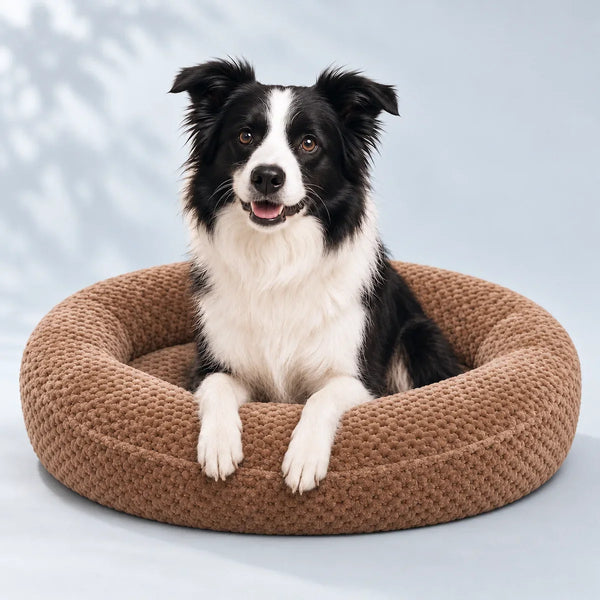
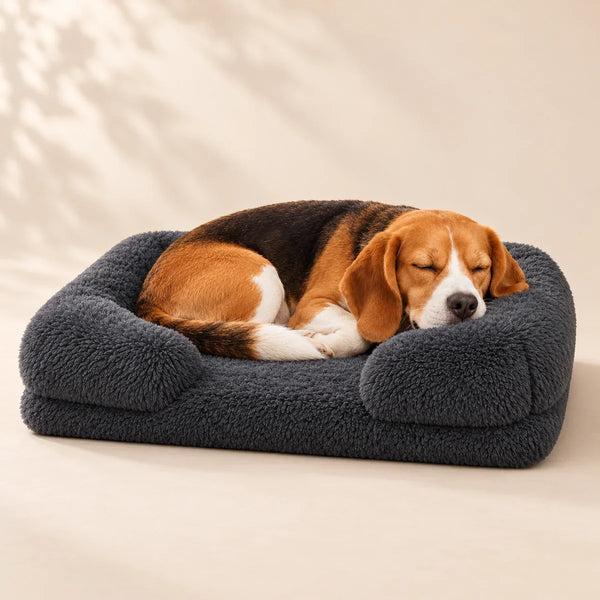
The raised walls create a defined edge for a pet that likes to lean a head, shoulder, or back against something. They also create a border to cross. Watch the whole movement rather than judging the bed from one sniff. Can the pet enter without hesitation? Can it turn in the center? Can it settle without repeatedly pushing into the rim? Can it stand and leave normally?
If the pet prefers an open mat, lies beside the bed, or avoids the edge, pause. Try moving the bed to the pet’s established resting place, recheck the size, or offer a flatter alternative. Never turn a product description into a reason to ignore the animal’s actual behavior.
Step 5: Keep The First Sessions Ordinary
A new sleep spot does not need a special ceremony. Keep familiar household sounds and allow the pet to decide how long to stay. Quiet praise can be appropriate if your pet enjoys it, but avoid repeated touching, rearranging, or calling the animal back every time it leaves. The strongest signal is a voluntary return after the pet has explored the rest of the room.
Place the bed near a routine the animal already understands, such as an evening wind-down or a daytime rest period. This does not prove a calming effect. It simply makes the new object part of a predictable sequence. If the animal becomes restless, remove pressure and try again later.
Step 6: Adjust Location Before You Blame The Bed
Pets often care about the view, temperature, sound, and distance from people as much as the surface itself. If your dog or cat rests beside the bed, try shifting it a small distance toward that chosen place. If the pet uses the bed only when the room is quiet, reduce traffic during the first introductions. If the pet always chooses a cooler or more open floor, treat that preference as useful evidence.
Do not solve every hesitation by adding blankets or blocking access. Extra layers can change the footing and hide the shape. Change one practical factor at a time so you can tell what helped: location, orientation, available space, or the timing of the invitation.
Step 7: Use The Right Size For The Sleep Position
For a curled sleeper, the listed size needs enough room for the circle of the body and a comfortable turn. For a side sleeper, allow for the longer posture. L is 39.4 by 29.5 inches, or 100 by 75 cm; XL is 47.2 by 29.5 inches, or 120 by 75 cm; XXL is 59.1 by 39.4 inches, or 150 by 100 cm. These are bed dimensions, not a verified inner sleeping-surface measurement.
Use removable tape to mark the footprint before moving furniture. If the pet regularly stretches outside the outline or cannot enter without brushing the edge, review the size or shape. Our L and XL fit guide covers the two large footprints without relying on breed shortcuts.
Step 8: Make Care Part Of The Routine
Remove loose hair regularly. Wash the cover as needed, and dry it fully before the bed returns to use. Choose a location where you can remove the cover without dragging the whole bed through a narrow route. Keep a clean temporary surface available while the cover is being cared for.
The current Product information does not confirm a wash temperature, machine cycle, waterproof layer, stain treatment, or drying time. Follow the current care directions available with the item and do not fill gaps with assumptions. If the cover or padding is damaged, stop and assess the bed before inviting the pet back.
Step 9: Recognize A No-Fit Signal
A no-fit signal can be simple: the pet refuses to enter, chews the edge, slips, cannot turn, leaves repeatedly, or chooses a nearby surface every time. It can also be a room problem, such as a bed that blocks a route or sits in a place where the pet feels exposed. Pause, change one factor, and observe again. If the same issue remains, choose another format rather than insisting on the original one.
If your pet has a new change in movement, trouble getting up, repeated repositioning, or a concerning change in sleep, contact a veterinarian. SnuggleSoft describes a padded, orthopedic-style rest surface; it is not a diagnosis, treatment, or guarantee of pain relief or anxiety relief.
Step 10: Keep The Invitation Open
A dependable sleep spot is a place your pet can choose, not a place it is required to use. Leave an easy route in and out. Keep the surrounding floor clear. Let the bed carry familiar household scent over time. When the pet chooses the spot, allow the rest period to continue without constant interruption.
If the bed becomes a regular choice, keep watching the basics: relaxed entry, comfortable turning, dry and clean fabric, and an unchanged safe route around it. A good routine is quiet and repeatable. It does not need a promise attached to it.
Use The Current Bed Facts For The Next Step
SnuggleSoft is offered in eight current color labels and six listed size choices. Select the color that works for your room, then select size from the posture and footprint you measured. If you want to compare the raised shape with a flat surface, read our bolster-versus-flat bed guide. When the location and size are ready, view the current SnuggleSoft bed options.
The Goal Is A Place Your Pet Can Trust
Trust grows from repeated, low-pressure access, a comfortable surface, a clear exit, and care that keeps the spot ready. Give the individual animal time to decide whether the plush center and raised edge belong in its routine. If they do, SnuggleSoft can become one useful place to rest. If they do not, that honest answer is still a successful fit check.
Keep a small note of what you observe during the first few days: where the pet approaches from, how long it stays, whether it changes position, and whether it returns by choice. That simple record can reveal whether the issue is location, size, edge access, texture, or timing. It also keeps the decision grounded in the individual animal rather than in a promise made by a label.
Common Questions
How do I introduce SnuggleSoft to a pet?
Place it in a clear familiar area, let the pet sniff and leave freely, and keep the first visits quiet. Do not lift the pet into the bed or force a stay.
How should I care for the cover?
Remove loose hair regularly, wash the cover as needed, and dry it fully before reuse. The current facts do not confirm a wash temperature or drying time.
What if my pet ignores the bed?
Try the familiar resting location, check the size and edge access, and observe again. If the pet continues to avoid it, choose another surface rather than forcing use.
More guides
Continue with related guides for this product.
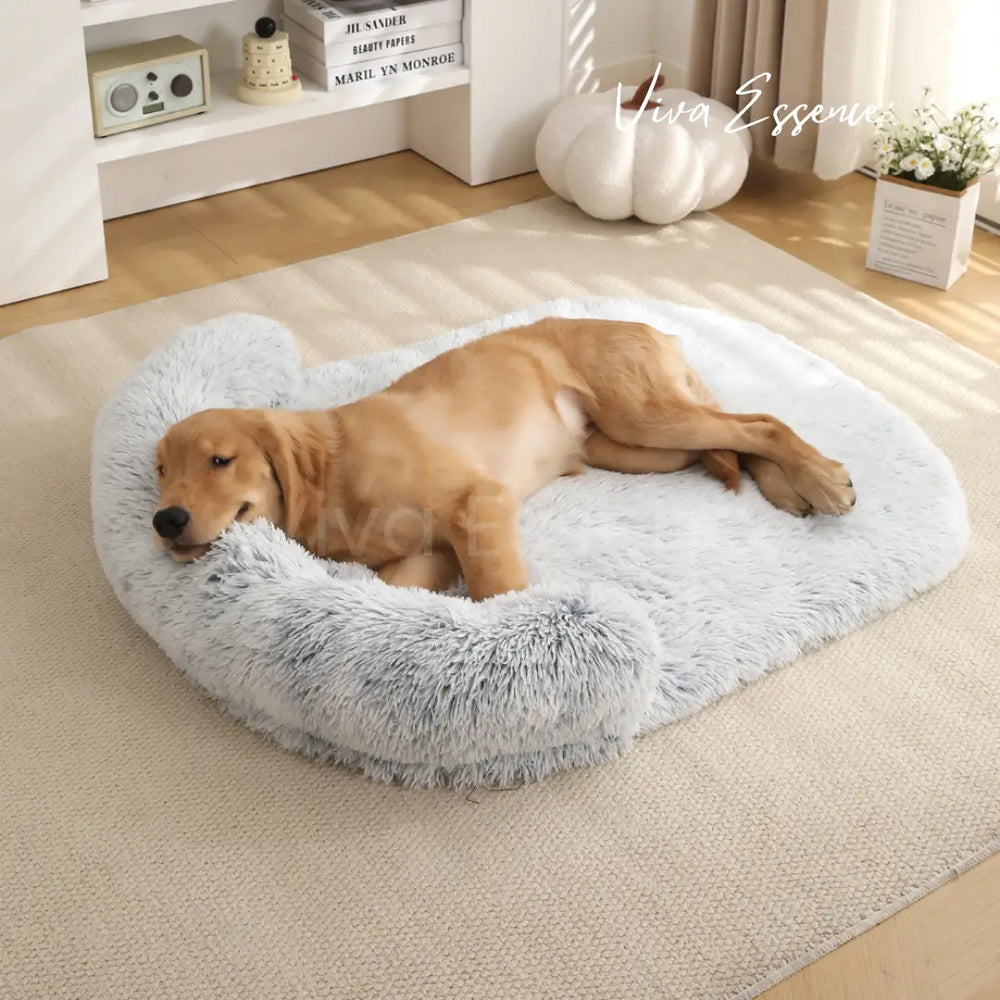


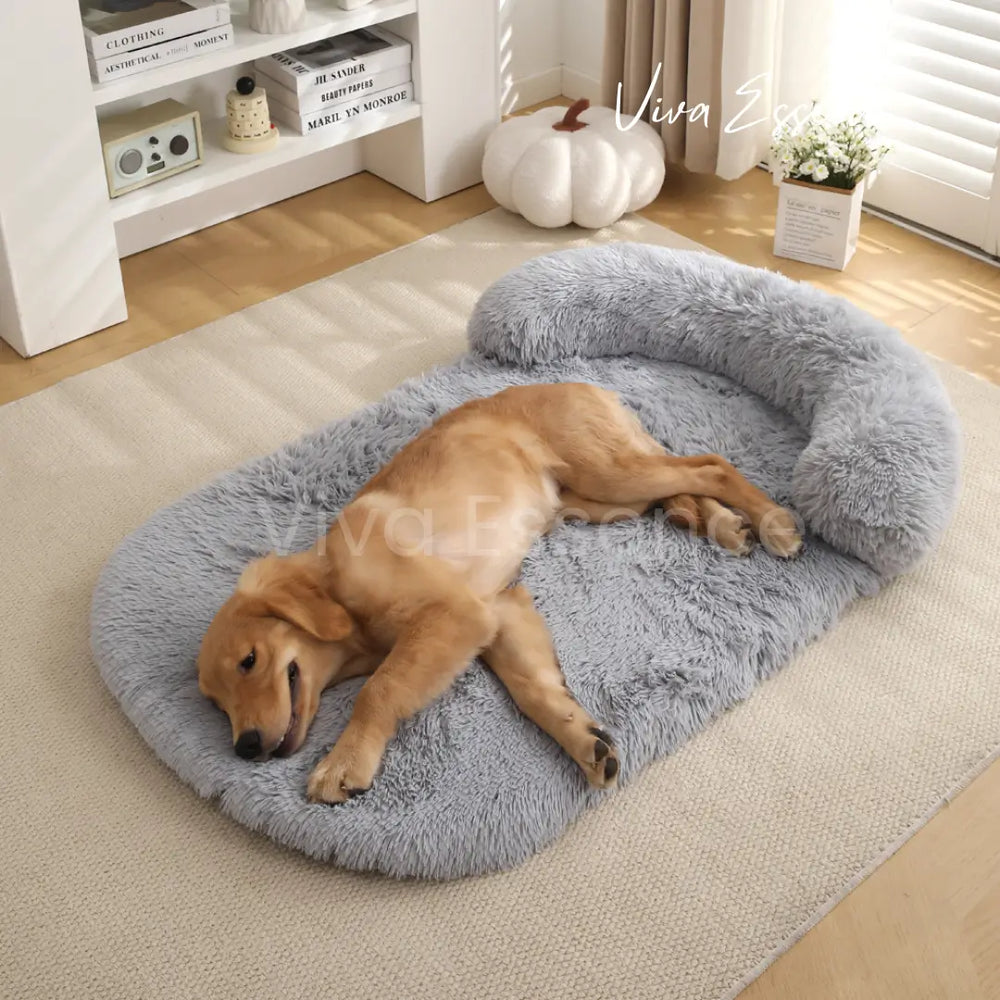

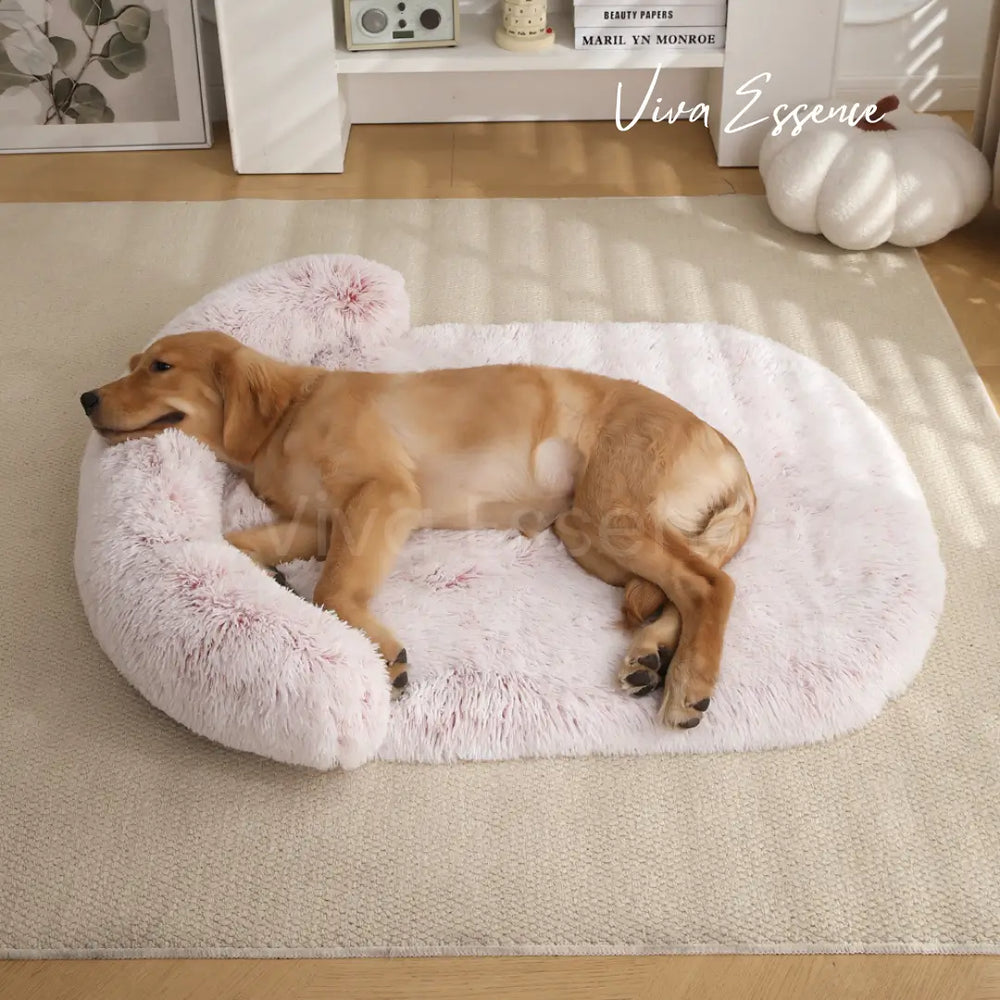


SnuggleSoft Orthopedic Calming Pet Bed
- Calming Donut Pet Bed
- Plush Bolstered Edges
- Padded Supportive Base
- Washable Cover
