





A Pet Bed That Fits Your Home And Your Pet
Choose the color that suits the room, then use the pet’s posture, the bed footprint, clear access, and washable-cover routine to make the final decision.
Questions Before You Choose
I want a bed that looks intentional in a shared room.
Choose the color and footprint that suit the room, then keep the entry, exit, and surrounding floor clear for the pet.
I am worried the color choice will change how the bed performs.
The colors are style choices and aren't described as changing performance, comfort, or durability.
My pet may ignore a bed placed for appearance.
Start in the pet’s familiar resting area and move it gradually if needed. Voluntary use matters more than visual coordination.
I need care to fit a normal household routine.
Remove loose hair, wash the cover as needed, and dry it fully before reuse; choose a location where that care is manageable.
The Full Answer
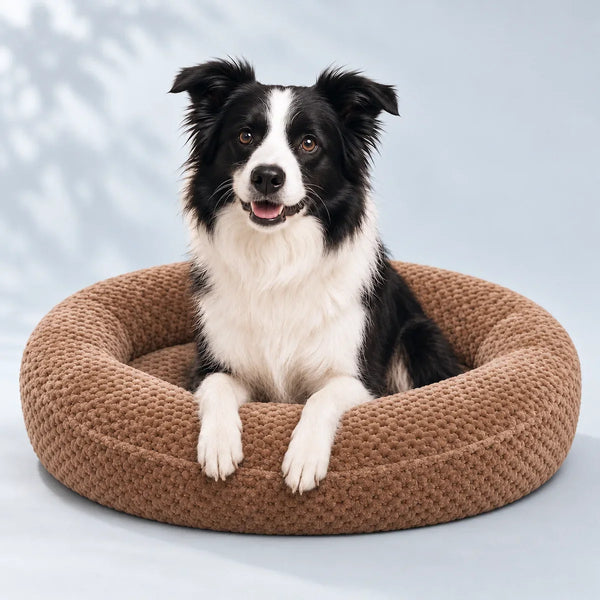
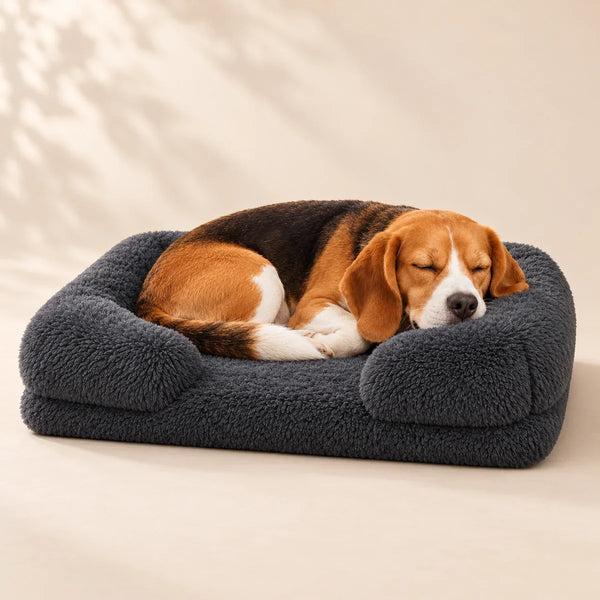
Short answer: SnuggleSoft can sit comfortably in a visible living space when you choose a color, size, and location that work for both the room and the pet’s resting habits. The eight current color labels give you visual choice, while the plush raised-wall shape gives the bed a clear presence. Color is a style choice and doesn't change performance or comfort; your pet’s response and the room’s practical needs still come first.
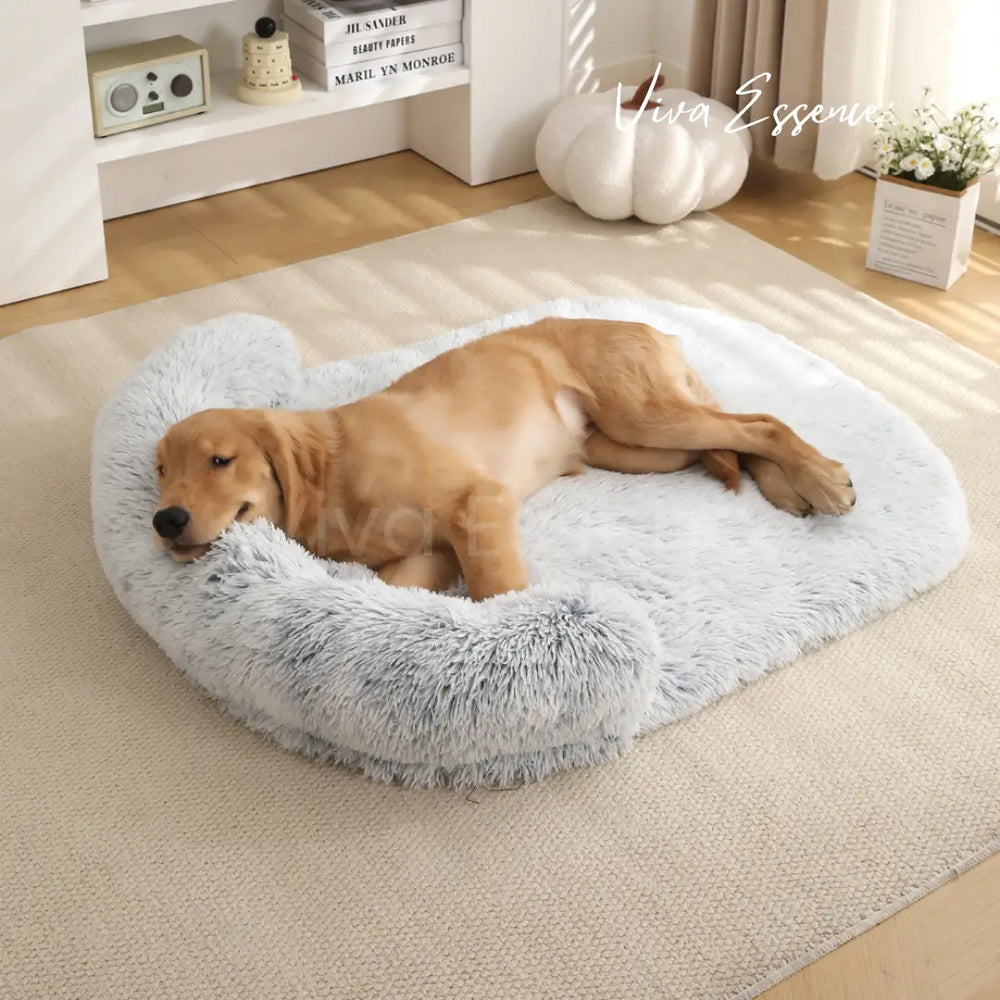
Make The Resting Spot Belong In The Room
A pet bed in a shared room has two jobs. It needs to be inviting to the animal, and it needs to occupy a predictable place in the household. SnuggleSoft has a rounded, bolstered outline rather than the loose shape of a blanket. That makes it easier to recognize as a dedicated rest area, but it also means you should decide where its footprint will live before ordering.
Look at the routes people and pets already use. Leave enough space for someone to pass without stepping over the edge. Avoid placing the bed where a door swings, a chair moves, or food and water spill. A quiet corner with a view can work well for a pet that wants to watch the room. A spot beside the sofa or near your desk may suit an animal that settles near people. The best-looking corner is not useful if it makes the pet feel trapped or the household trip over it.
Choose Color For The Home, Not For A Promise
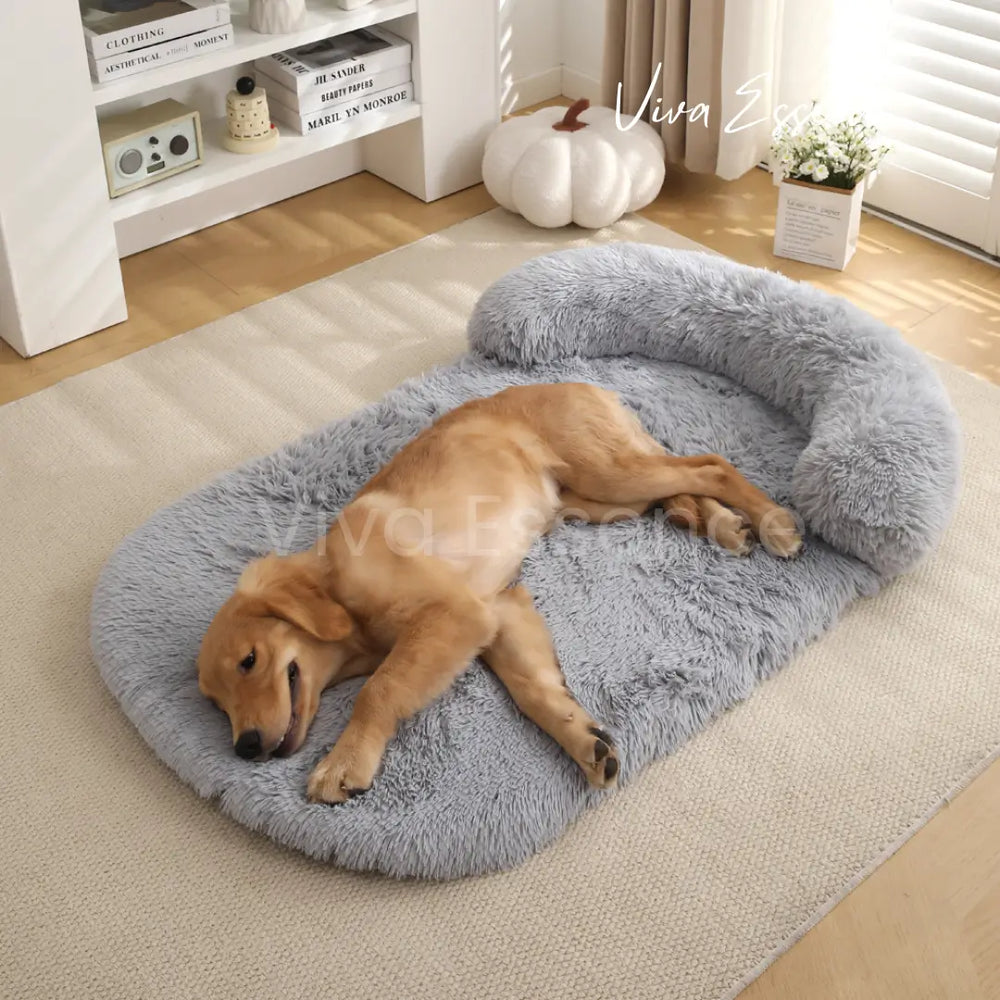
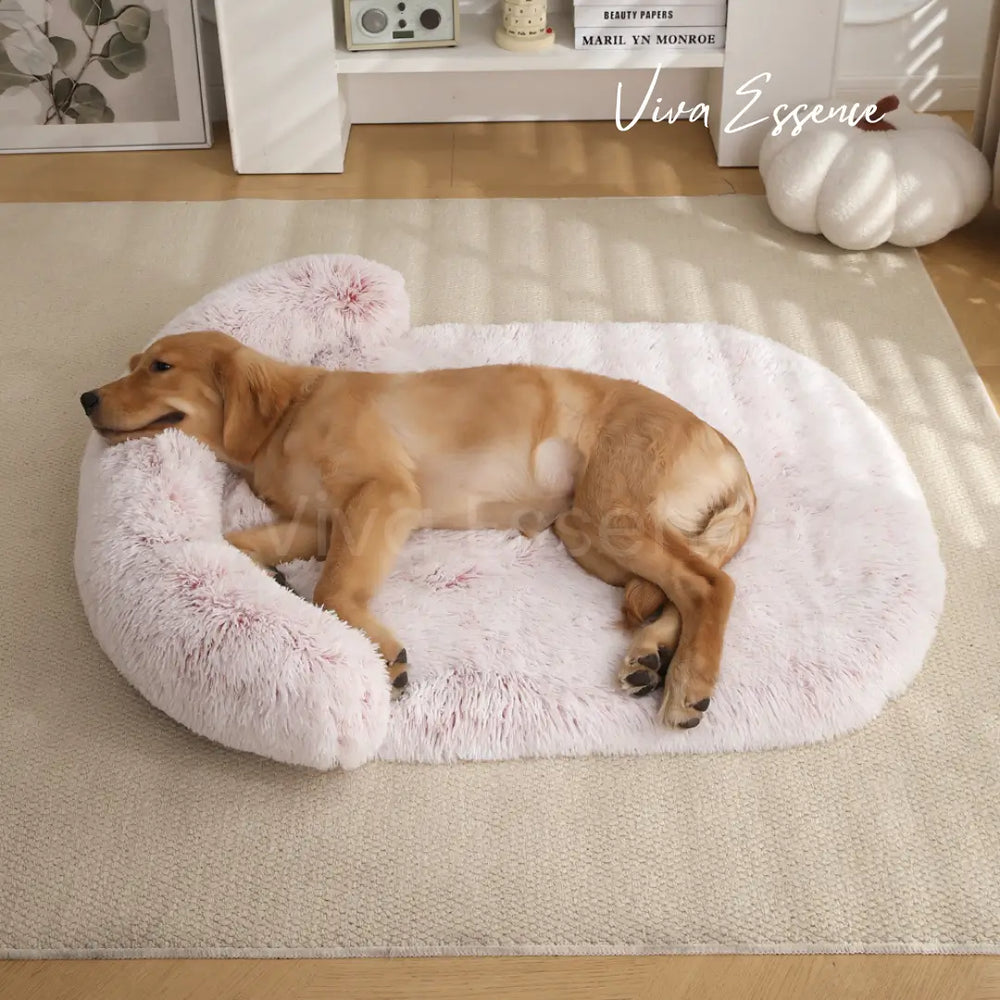
The product page lists Gradient Gray, Gradient Pink, Gradient Coffee, Beige brown, Pink, Khaki, Dark, and Rainbow. Those names describe the available visual choices. They do not prove that one color is cooler, calmer, stronger, easier to clean, or better for a particular species. Select the shade that works with the room and then make the real fit decisions using size, sleeping posture, access, and care.
A neutral shade can blend into a pale floor or sofa area, while a darker or more colorful option can make the pet’s resting zone easy to spot. Neither approach is automatically better. Consider how loose hair, lint, and dust will look between care days, but do not treat appearance between washes as a material or stain-resistance specification. The current facts confirm a washable cover; they do not confirm a special stain treatment.

Let The Pet Choose The Final Location
Once the bed arrives, start with the location your pet already uses. Put it on a clear, level area and allow a slow inspection. Avoid carrying the pet into the bed or blocking the exit to make the scene look settled. A pet may sniff the plush surface, circle the edge, step out, and return later. That is information, not failure.
Notice whether the animal can enter, turn, stretch, and leave without rushing. If the pet repeatedly chooses a nearby rug, move the bed closer to that established spot before deciding that the shape is wrong. If the animal prefers the room but not the raised edge, test a lower or flatter surface rather than forcing the choice. A coordinated room is not a success if the bed is never used.
Match The Footprint To The Furniture
SnuggleSoft is listed in six sizes. XS is 21.7 by 15.7 inches, or 55 by 40 cm; S is 25.6 by 19.7 inches, or 65 by 50 cm; M is 31.5 by 23.6 inches, or 80 by 60 cm; L is 39.4 by 29.5 inches, or 100 by 75 cm; XL is 47.2 by 29.5 inches, or 120 by 75 cm; and XXL is 59.1 by 39.4 inches, or 150 by 100 cm. These are the listed bed dimensions.
Mark the approximate rectangle on the floor with removable tape before choosing. Check the route around it, the distance from heaters or drafts, and whether the bed can be moved for cleaning. A large bed can look balanced in an open room but crowd a narrow walkway. A small bed can look tidy yet leave a side-sleeping dog hanging over the edge. Use the pet’s posture to resolve the visual question.
Build A Calm, Useful Corner
Furniture can help a bed feel intentional without turning it into a display that the pet cannot reach. A nearby low shelf, a familiar toy, or a washable throw can define the area. Keep loose cords, fragile decor, and anything chewable away from the resting spot. Do not surround the bed so tightly that the animal has only one route out.
Keep food and water close enough for the household routine but not so close that spills become the bed’s normal condition. If the room is busy, face the opening toward a clear view rather than directly toward a high-traffic bottleneck. If the animal sleeps best in a dimmer corner, use the existing room layout instead of adding a cover or object that has not been confirmed as safe for that use.
Keep The Care Routine As Simple As The Room
A room-friendly bed still needs ordinary care. Remove loose hair regularly, wash the cover as needed, and dry it fully before reuse. Choose a place where you can remove the cover without moving heavy furniture. Have a temporary clean blanket ready if the bed needs time to dry. The current Product facts do not specify a wash temperature, drying time, waterproof layer, or special stain treatment, so do not plan a routine around those unverified details.
Pay attention to the actual condition of the fabric and padding. If the cover is damp, wait until it is fully dry. If a seam, edge, or filling becomes damaged, stop and assess whether the bed remains appropriate rather than hiding the problem with a decorative throw. A tidy room and a responsible care routine support each other.
Pair Appearance With Real Fit Signals
A pet that likes bolsters may curl into the center, lean along the edge, or rest its chin on the rim. A pet that prefers a flat surface may lie beside the bed or use only the middle while avoiding the boundary. Both responses are valid. The bed’s visual harmony cannot tell you which one will occur.
Watch for relaxed entry, easy turning, normal movement, and voluntary returns. Watch also for repeated avoidance, chewing, slipping, or a body that cannot find a comfortable position. If you see a new or concerning change in movement or sleep, ask a veterinarian. A nice-looking bed is not a remedy, and “calming” is not a guarantee.
Choose A Shade, Then Recheck The Everyday Details
For a living room, a gray, brown, khaki, or dark shade may be easier to coordinate with existing furniture. Gradient Pink, Pink, or Rainbow may make the rest spot more visible. That is a visual decision. The practical decision is whether the selected size fits the pet’s sleeping position, whether the edge is easy to cross, whether the floor area stays clear, and whether you can maintain the cover.
If you are deciding between L and XL, use our L and XL fit guide for the listed footprints and measuring steps. If you are still deciding whether a raised boundary suits your pet, compare the shape with a flat surface in our bolster-versus-flat bed guide. Those choices matter more than matching a color name to a trend.
Questions For A Home-Friendly Bed
Can the bed sit in a clear area without narrowing a walkway? Does the selected size leave the pet room to turn or stretch? Will the pet be able to leave from more than one direction? Can the cover be washed and fully dried as part of your normal week? Does the color work with the room without making you ignore hair, dampness, or damage?
Answer those questions, then invite the pet to use the space at its own pace. When the appearance, access, footprint, and care routine all make sense, view the current SnuggleSoft color and size options. Choose the variant that fits the animal and the room you actually live in.
The Room Should Serve The Pet Too
Good home fit is not about hiding every sign of pet life. It is about making the resting spot easy to reach, pleasant to use, and simple to care for. Let the pet’s posture and behavior decide whether the bolstered shape works. Let the room decide where the footprint belongs. Let the listed product facts decide what you can honestly expect, and leave unsupported promises out of the choice.
Think of the bed as part of the room’s daily rhythm rather than a decorative object that must stay untouched. It should be easy to vacuum around, easy to reach when the cover needs care, and easy for the pet to leave when people move through the room. A lived-in home can still look considered when the animal’s access is treated as part of the arrangement.
Keep the arrangement flexible as your pet’s habits become clearer.
Common Questions
Which SnuggleSoft color is best for a living room?
Choose from the current Gradient Gray, Gradient Pink, Gradient Coffee, Beige brown, Pink, Khaki, Dark, or Rainbow colors by look. Color is a style choice and isn't described as changing performance or comfort.
Can I place the bed in a busy shared room?
Yes, if the pet has a clear route in and out and the location is not a traffic bottleneck. Start where the pet already rests and observe the response.
Does the cover have a special stain-resistant treatment?
The current facts confirm a washable cover but do not confirm a special stain treatment. Do not rely on an unverified care feature.
Is It Right for Your Pet?
Compare related questions for this product and use case.





SnuggleSoft Orthopedic Calming Pet Bed
- Calming Donut Pet Bed
- Plush Bolstered Edges
- Padded Supportive Base
- Washable Cover
