







How to Place a Cat Scratch Protector on a Sofa or Wall
Fit the mat over or beside the spot your cat scratches, test a hidden patch first, add a post beside it and recheck the edges after the first day and week.

Step-by-step guide
-
Find the hotspot
Look for claw marks and note whether your cat reaches up, scratches across or works along the floor.
-
Measure and choose a size
Measure the marked area and pick the smallest of the five sizes that covers it, from 30 x 60 cm to 40 x 200 cm.
-
Test a hidden patch
Finishes vary. Stop if you see lifting, residue or discolouration, and follow the installation directions that come with the mat.
-
Fit the mat flat
Centre the marks on the mat, press the edges down and keep seams, cushions and walking routes clear.
-
Add a post or pad beside it
Match the outlet to your cat's direction: tall and steady for stretching up, flat for scratching across.
-
Recheck and adjust one thing at a time
Check edges and attachment after the first day and the first week, and move the post, the mat or the coverage one step at a time.
The Full Answer
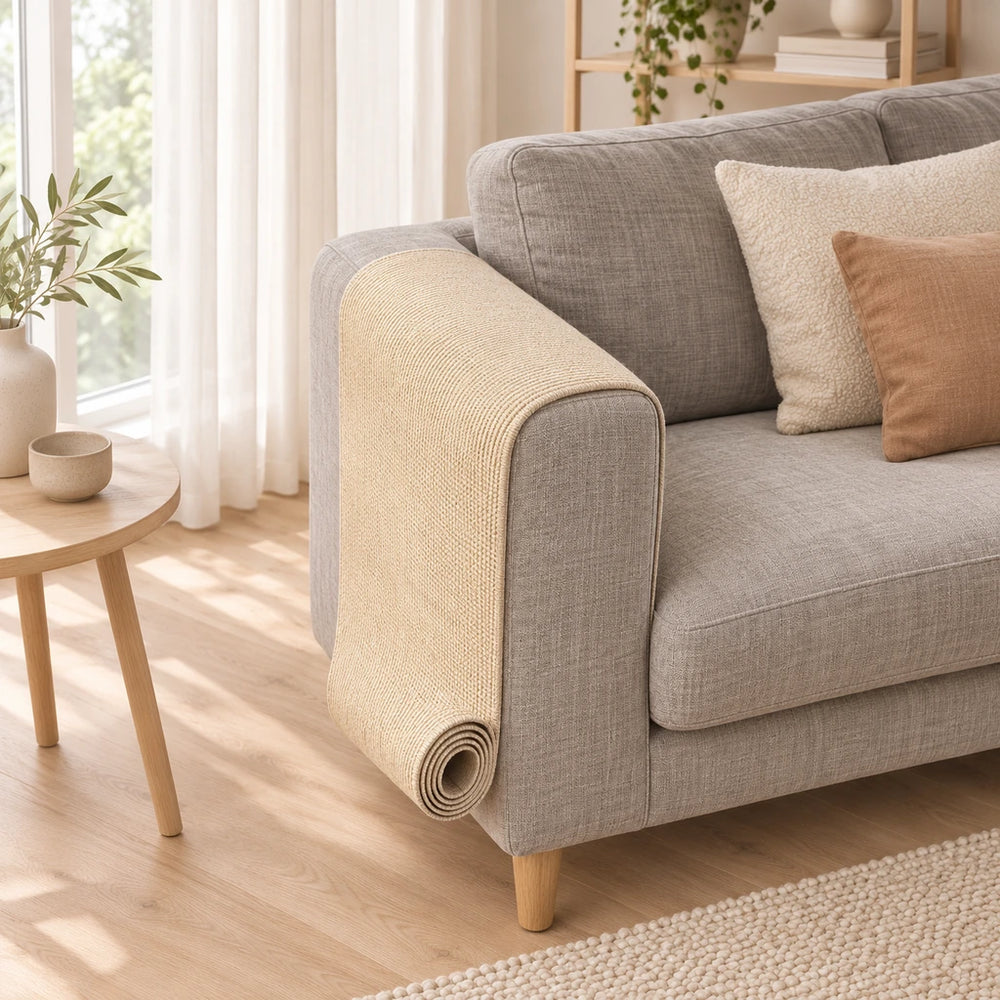
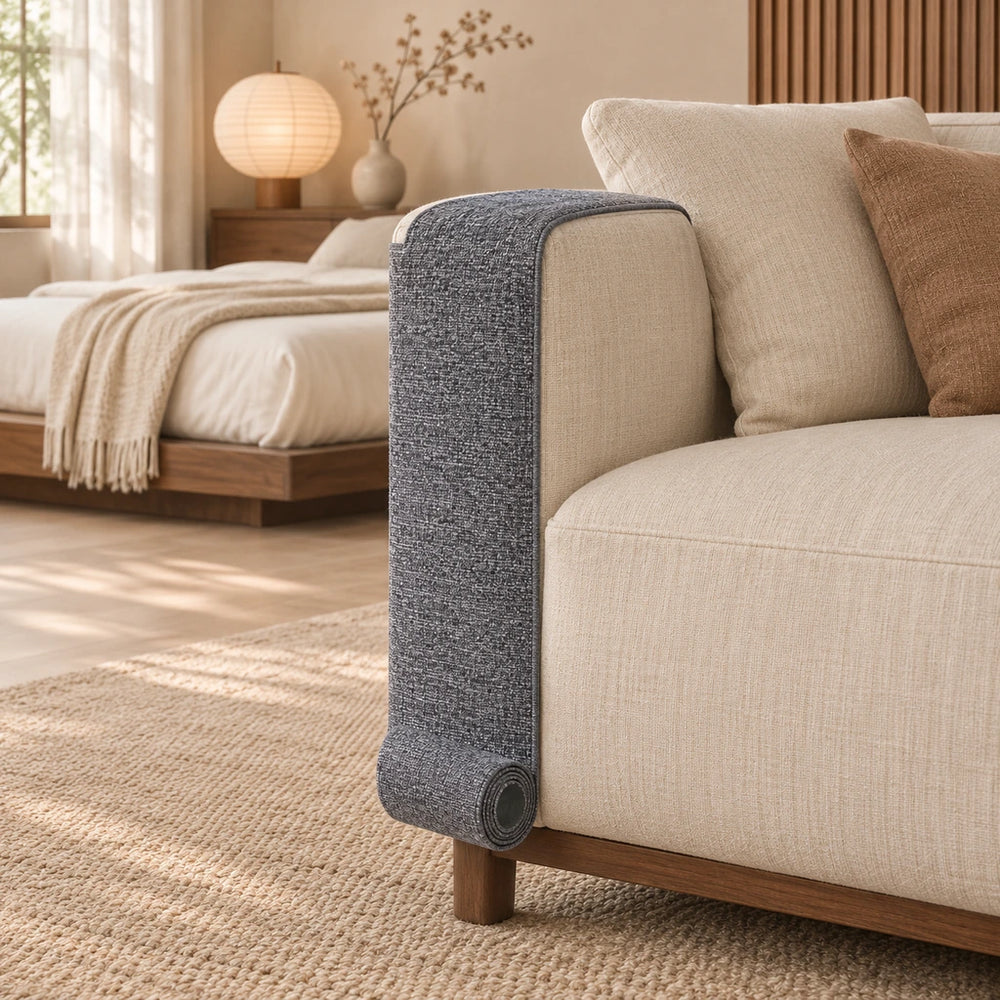
Fit the HarmonyGuard Cat Scratch Protector directly over or beside the spot your cat already scratches, then put a scratching post or pad next to it. Watch the room for a few days to find the one hotspot that matters, test a hidden patch of the surface, fit the mat flat with no loose edge, and check it again after the first day and as the week goes on.
Before you fit it
- Find the hotspot. Look for claw marks and note whether your cat reaches up, scratches across or works along the floor.
- Measure the marked area and pick a size with the size guide. There are five, from 30 x 60 cm to 40 x 200 cm.
- Test a hidden patch. The product page notes that adhesives and finishes vary, so stop if you see lifting, residue or discolouration.
- Read the installation directions that come with the mat. The product page gives no attachment details, so follow those for your surface.

Fitting the mat
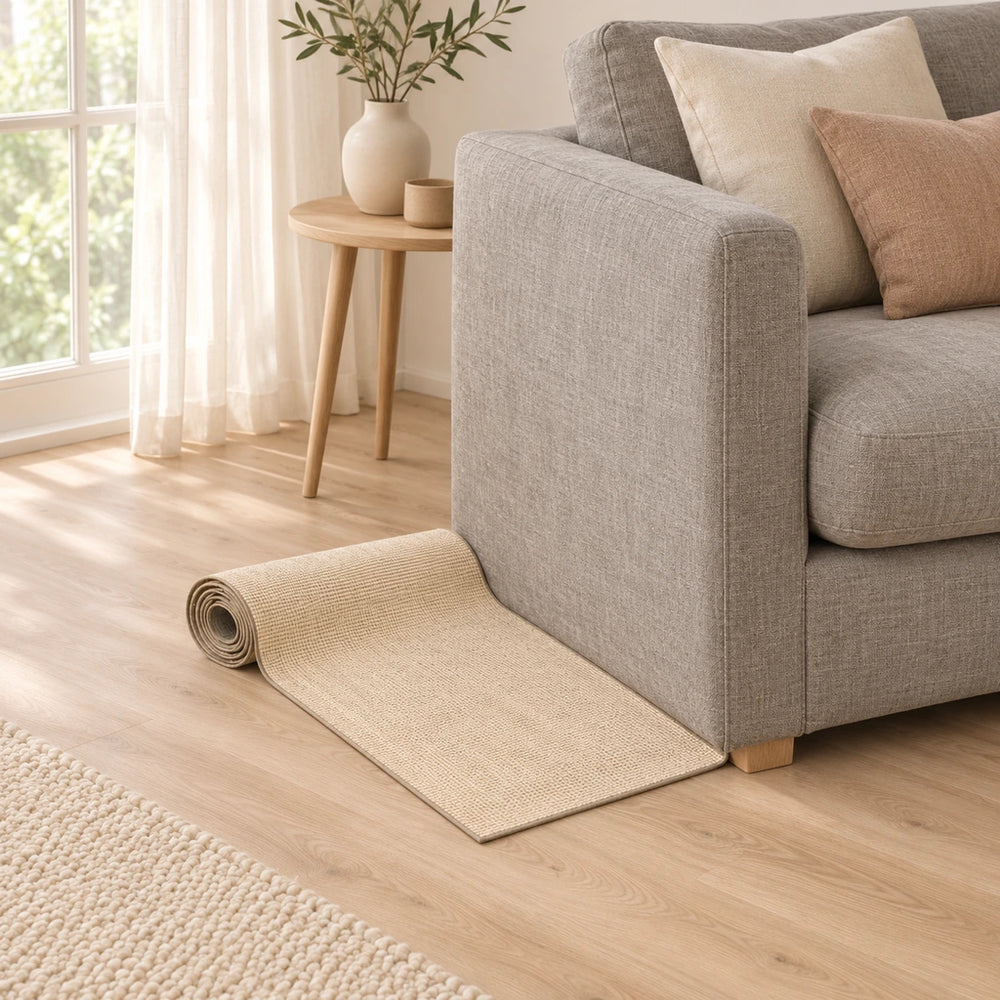
Line the mat up with the scratched area so the marks sit in the middle of it. Press the edges down and run a hand over the surface to find anything that lifts. Keep it clear of seams that need to move, cushions that shift and any route people or pets use, because a loose edge is the first thing a cat or a foot will catch.
Then add the outlet. A post or pad beside the covered spot gives your cat an approved place to scratch while the sofa edge is covered. Match it to what you saw: a tall, steady post for a cat that stretches up, a flat pad for one that scratches across.
Starting with a new cat
A new cat has not settled on a favourite yet, so do not cover every sofa, chair and wall on the first day. Pick the one spot where scratching has started, fit one mat there with a post beside it, and watch for a week. Add a second mat only where a second repeated pattern appears. Starting small leaves room to learn the cat's habits before you reshape the room.
Wall edges, chair corners and other spots
A wall edge or door frame usually needs length rather than width, so measure upward to the highest mark and compare it with the 60, 100 and 200 cm lengths. Keep the mat clear of light switches, sockets and anything that opens or slides. On a chair corner, treat each face as its own measurement and fit the mat to the face your cat uses most.
Common placement mistakes
- Covering far more than the marks, which narrows seating and walking space.
- Leaving a corner or edge loose, where claws and feet catch it.
- Putting the post across the room, so the cat never connects it with the sofa.
- Changing the mat, post and room all at once, which hides what helped.
Check it after the first day and the first week
The product page asks you to shake off loose debris, check the attachment and reposition if your cat picks a different target. Look at the edges for curling or sliding, check the surface under a corner for any change, and see whether the cat is using the covered spot, the post or a nearby uncovered panel. If the cat moves to a new panel, change one thing at a time: move the post closer, shift the mat, or add coverage there.
Renting or using a delicate finish
Lease rules and fragile paint change what you can fit, and the renters page covers those checks in detail. If the surface fails your test, a freestanding post or pad beside the furniture is the safer choice.
A note on sudden changes
If your cat suddenly scratches far more or less than usual, or seems uncomfortable, ask your vet. A mat cannot tell you whether something is wrong.
For more on distance and direction, read our advice on where to put a cat scratcher so it redirects furniture scratching, and for what the behaviour is for, our guide to why cats scratch and how to redirect them humanely. The Play & Enrichment collection lists the other scratching and play products we sell.
Common Questions
Where should I place a cat scratch protector?
Directly over or beside the area your cat already scratches, with a scratching post or pad close by. Pick one hotspot first rather than covering every surface.
Should I test the surface first?
Yes. Finishes vary, so test a hidden patch and stop if you see lifting, residue, discolouration or any other change. Follow the installation directions that come with the mat.
Do I still need a scratching post?
Yes. Place a stable post or pad beside the covered spot so your cat has an approved surface to choose.
How often should I check it?
Look at the edges and the attachment after the first day and again as the week goes on, shake off loose debris, and reposition it if your cat picks a different spot.
More guides
Continue with related guides for this product.


HarmonyGuard Cat Scratch Protector
- Cat Scratch Furniture Protector
- Covers Sofa Edges & Walls
- Pair With a Scratcher
