



Is a Round Plush Bed Good for Pets That Curl Up?
See whether PlushNest Deluxe fits dogs and cats that curl up, lean into soft edges, need a defined nap spot, and suit a plush indoor bed at home. An audience-f.

Questions Before You Choose
Does every curl-up sleeper need a round bed?
No. Some pets curl at first and stretch later. Watch the full nap and compare both postures before choosing.
Is a raised edge always preferred?
No. Some pets like a boundary while others prefer an open view or a flat surface. Let the pet investigate.
Can the bed change anxiety?
An anxiety or behavior result is not established. The bed is an everyday resting choice, not treatment.
What if the pet circles or digs?
Watch the fabric and seams, redirect rough use, and set the bed aside if it becomes damaged.
The Full Answer
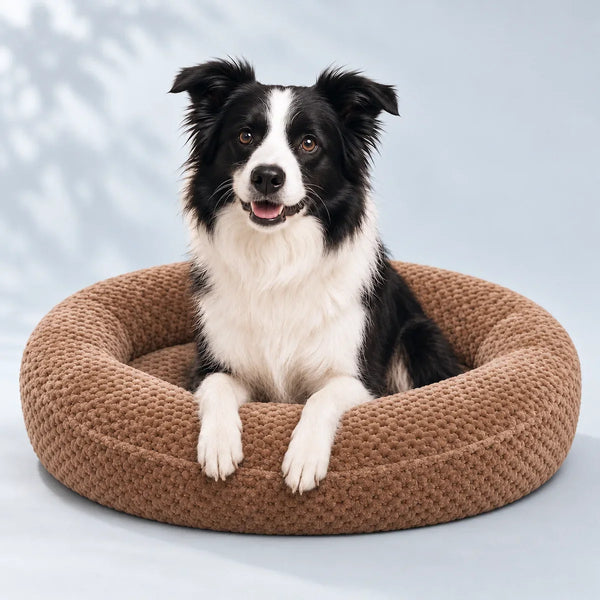
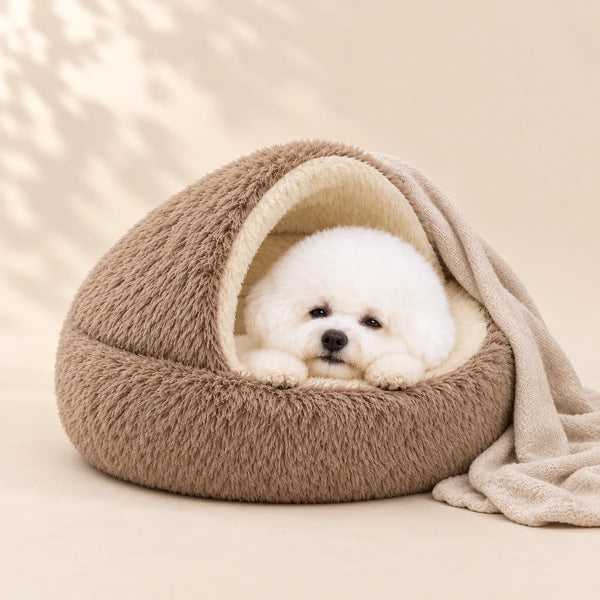
A round plush bed often appeals to pets that curl into a compact resting shape, but the shape is only useful when it matches the pet’s actual posture and the room around it. Watch how your dog or cat sleeps, then choose enough diameter for turning, stretching, and a comfortable exit.
Observe the curl before buying
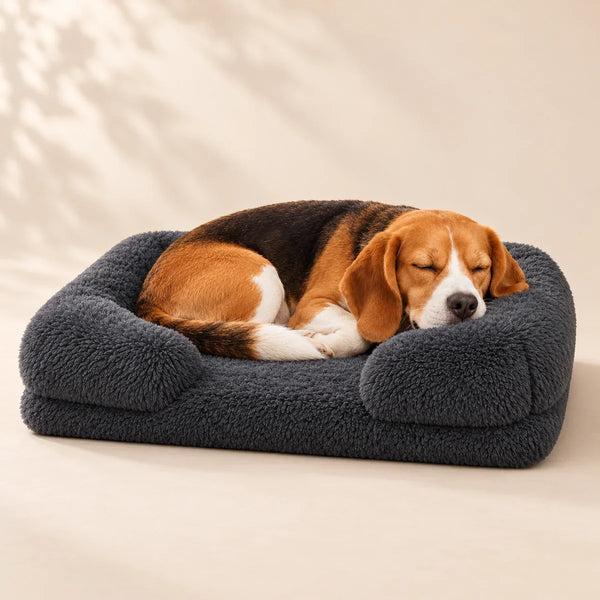
Look at the pet when fully relaxed rather than measuring during a playful moment. Some curl-up sleepers stay in a small circle for most of a nap. Others curl at first and later extend their legs over the edge. Both patterns matter when you compare the bed with the way the pet uses floor space.
Notice whether the pet likes a boundary. A raised soft edge can feel different from a blanket on the floor, a flat mat, or a bed with a tall wall. Do not assume that a round bed will make every pet settle or that a familiar shape changes anxiety or behavior.
Compare the listed diameters
PlushNest is listed in S about 50 cm, M about 60 cm, L about 70 cm, XL about 90 cm, and XXL about 110 cm in diameter. These are the product’s listed size choices, not a promise that a particular breed, weight, or sleeping style belongs in one size.
Use the diameter as a starting point and compare it with the pet’s curled and stretched positions. Leave enough space for a full turn and make sure the bed fits the chosen corner without pressing against a door or blocking a path. The size guide helps with the practical check.

Look at edge preference
A pet that leans against cushions, blankets, or sofa corners may enjoy a defined edge. Another pet may prefer to see in every direction or may step over the edge repeatedly. Put the bed in a familiar area and let the pet approach without being lifted into the center.
For a cat, keep access open and avoid putting the bed in a place where another animal can trap the entrance. For a dog, consider whether circling and nesting leave the bed flat and usable. The bed should support a choice, not remove one.
Give the first introduction time
Place a familiar blanket or toy on the new surface if that helps, then leave the pet free to sniff, step in, step out, or ignore it. Keep normal rest locations available during the introduction. A bed becomes familiar through ordinary use, not through repeated placement of the pet on top of it.
If the pet digs or circles before lying down, watch the fabric and raised edge. Stop rough use if claws or teeth begin to pull at seams. The current product information supports everyday rest, not chew-proof or fixed-lifespan performance.
Keep comfort expectations in proportion
The soft plush surface and cushioned shape can make a dedicated nap area appealing. They do not establish orthopedic treatment, joint relief, anxiety reduction, warmth control, or a guarantee that a pet will sleep longer. If your pet has pain, difficulty settling, or a new mobility change, ask a veterinarian.
Use the bed as one resting choice. It should not replace professional advice or a different sleeping surface when the pet’s body, age, or health requires one.
Reset the bed between naps
Remove loose hair, spot clean small marks, and follow the supplied fabric or cover-care directions. Check the surface and seams when cleaning. Do not infer machine washing, odor control, non-slip performance, or universal durability from the product title or appearance.
Decide whether the round shape fits
Review the current PlushNest colors and diameters when your pet likes a plush surface, a clear resting boundary, and a space that fits both curled and stretched posture. If you are comparing other edge shapes, read the donut and bolster comparison before choosing.
A round bed is a strong candidate for a curl-up sleeper when the pet can enter and leave freely, the diameter leaves room to turn, and the care routine fits your home. If any of those checks fail, a flat bed or another location may be kinder.
Curl-up rule: match the round boundary to the pet’s real posture and choice, not to the hope that a shape will change behavior.
Common Questions
Are round beds good for dogs and cats that curl up?
They can be a good fit when the pet likes a soft boundary and the diameter leaves room to turn, reposition, and leave.
How do I choose the diameter?
Compare the listed 50, 60, 70, 90, and 110 cm choices with the pet’s relaxed curled and stretched positions.
Will a round bed make a pet sleep longer?
No such outcome is established. It should be treated as one comfortable resting option.
What if my pet ignores it?
Keep another familiar surface available, try a familiar location, and reassess the texture, edge, size, and access.
Is It Right for Your Pet?
Compare related questions for this product and use case.
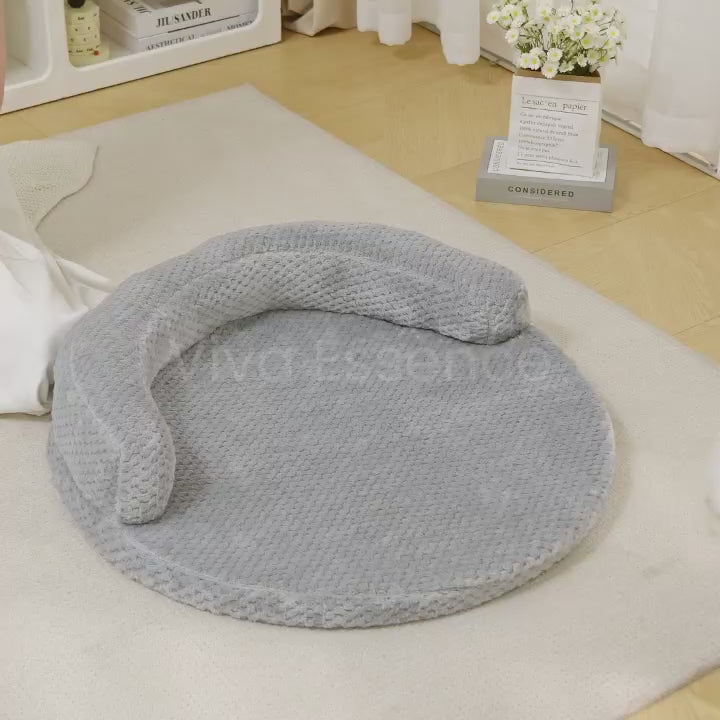


PlushNest Deluxe Plush Pet Bed
- Plush Round Pet Bed
- Soft Plush Sleep Surface
- Defined Cozy Bed Shape
- For Dogs & Cats
