
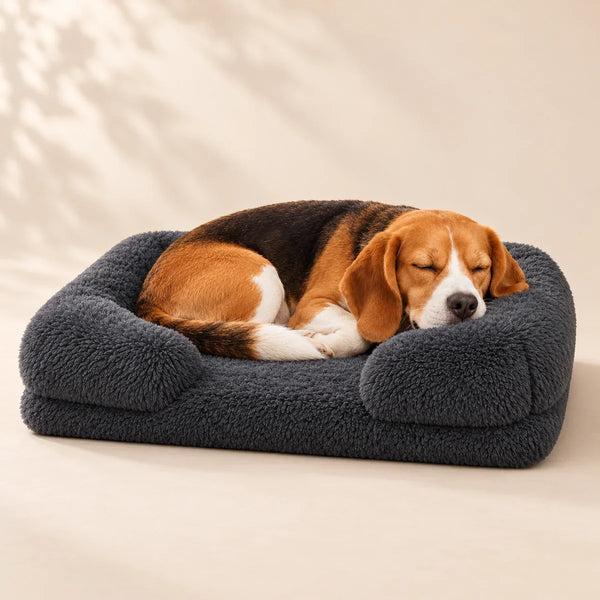


How to Use and Wash a Soft Flannel Pet Sleeping Pad
Learn how to use and wash a soft flannel pet sleeping pad for crate, floor, sofa, drying, rotation, and light training-support routines at home use now.

Step-by-step guide
-
Pick One Station
Choose a crate, carrier, sofa area, floor corner, or familiar practice spot and measure it first.
-
Introduce It Calmly
Let the dog approach and leave freely. Keep the pad flat and do not force the dog to stay.
-
Keep the Routine Consistent
Use normal cues, supervision, and rewards. The pad is a surface in the plan, not the trainer.
-
Wash When Dirty
Follow the current care guidance and do not invent a universal wash cycle or detergent method.
-
Dry It Fully
Keep the pad open and supported until fully dry before returning it to the crate, carrier, sofa, or floor.
-
Inspect and Reset
Check edges, corners, and closures, then store the clean pad where it can stay dry between uses.
The Full Answer
Use the Cozy & Washable Pet Training & Sleeping Pad as one clear soft surface first. Measure the place where it will live, introduce it without pressure, and wash and dry it fully before returning it to the routine. The pad can support a rest or light training setup, but it does not guarantee house-training, liquid protection, or a particular odor result.
1. Choose one starting location
Pick the place where the pad will be most useful: a crate, carrier, sofa area, floor corner, pet bed, or familiar practice spot. A consistent first location makes it easier to see whether the pad fits the space and whether the dog chooses to use it.
Measure the surface before laying the pad down. Leave doors, crate closures, walking paths, and nearby household items clear. If the pad curls, bunches, or shifts into a problem area, stop and change the setup rather than adding loose layers.
2. Let the dog investigate
Place the clean pad where the dog can approach it voluntarily. Let the dog sniff, step on it, or walk away. Calm praise or a familiar reward can make the new surface easier to understand, but do not force the dog to lie down or remain there.
For crate use, keep the space well ventilated and make sure the pad does not reduce comfortable room to stand, turn, and lie down. For sofa or floor use, check the edges after the dog moves across it. A good introduction is quiet and easy to repeat.
3. Use it as routine support
If the pad is part of a training routine, keep the cues, timing, supervision, and reward plan consistent. The pad is a surface in that routine, not the trainer. Puppies still need frequent opportunities and adults may need a different plan depending on their history and access to a toilet area.
Do not punish an accident after it happens. Clean the area calmly and review whether the location, timing, supervision, or product category needs to change. A sudden change in a previously reliable dog’s bathroom habits deserves veterinary advice.

4. Wash before the surface becomes a problem
When the pad is dirty, remove it from the rest spot and follow the product’s care guidance. The current listing supports washing and full drying, but it does not provide a universal water temperature, detergent, or dryer cycle for every household.
Do not assume that washable means stain-proof, odor-proof, chew-proof, or unchanged after every cleaning cycle. If the dog digs or chews the fabric, supervise and choose a different surface when needed.
5. Dry it completely
Let the pad dry fully before putting it back in the crate, carrier, sofa area, or floor station. A damp textile can make the rest spot less inviting and can create a new household care problem. Keep the pad open and supported while it dries rather than folding it away while damp.
Check the corners, edges, and surface after drying. If the pad has curled, torn, developed a loose area, or no longer lies flat, remove it from use until you decide on a safer replacement.
6. Reset the station
Return the pad only after the surrounding area is ready. The crate door should move freely, the carrier should close normally, the sofa layer should not create a slide, and the floor spot should not obstruct people. Store the pad where it can stay clean and dry between uses.
Know when another surface is better
If the main need is liquid management, compare an absorbent pee pad or waterproof layer rather than expecting a soft flannel surface to provide that protection. If the dog needs more depth or a shaped bed, compare fuller rest products. You can separate comfort from absorbency before choosing.
For the current product, review the Cozy washable pad, then check the size and surface fit before setting up the routine.
Care reminder: a clean, fully dry, flat pad is easier to use than one that is stored damp, forced into a tight space, or asked to solve a different problem.
Common Questions
What wash cycle should I use?
The current product information supports washing and full drying but does not provide one universal cycle, temperature, detergent, or dryer method. Follow the product care guidance.
Can I leave my puppy on the pad all day?
No. A pad does not replace bathroom breaks, exercise, supervision, or a crate and training plan suited to the dog’s age.
How do I dry it after washing?
Keep it open and supported until it is fully dry. Do not fold it into a damp cabinet, basket, or crate.
Is the pad waterproof or odor-proof?
Those results are not established by the current listing. Use a product specifically described for liquid or odor management when that is the requirement.
More guides
Continue with related guides for this product.


Cozy & Washable Pet Training & Sleeping Pad
- Washable Pet Training Pad
- Soft Flannel Sleeping Layer
- Protects Crates, Floors & Sofas
- Reusable, Less Waste
