

How to Get a Small Dog Used to a Harness Backpack
Start empty: sniff, fit indoors, short walks. Add one light soft item such as waste bags after your dog moves normally, and stop if it rubs or swings.
Step-by-step guide
-
Let Your Dog Inspect the Empty Harness
Place it on the floor, let your dog sniff it and reward calm interest. Put it away and repeat later instead of chasing or holding your dog in it.
-
Fit It Empty
Adjust the chest and belly straps with the pocket empty and check the neck, chest, shoulders and armpits while your dog stands naturally.
-
Practice Indoors
Walk a few steps, sit, turn and sniff over several short sessions, and take the harness off while your dog is still relaxed.
-
Try a Short, Familiar Route
Use a hallway, driveway or quiet street with your usual leash position, and return before your dog gets tired.
-
Add One Soft Item
Start with waste bags or a small portion of treats and check that the pocket stays centered and quiet.
-
Check Again After a Few Minutes
Look for rubbing or strap movement, and lengthen the walk only after several easy outings.
The Full Answer
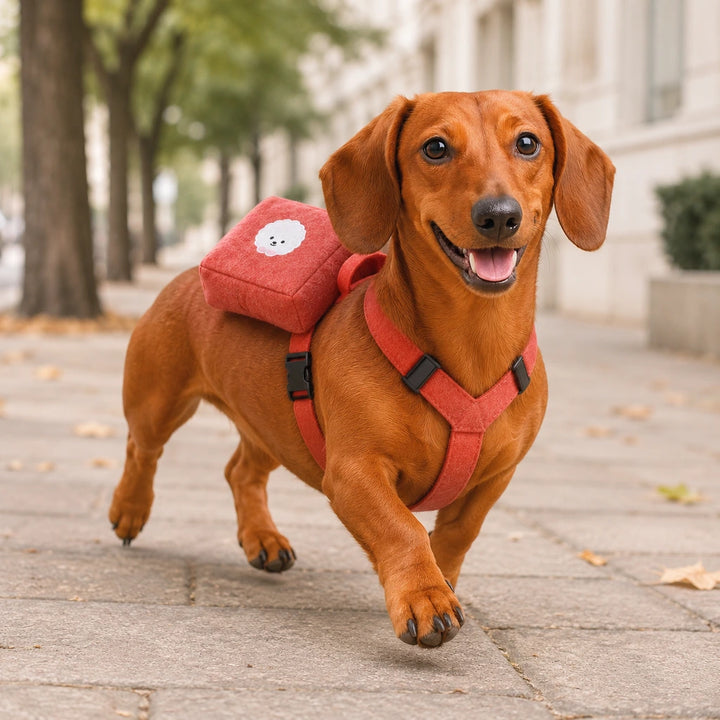
Start the Urban Pet Harness Backpack: Carry-All for Small Dogs empty: let your dog sniff it, fit it indoors, and keep the pocket empty for the first short walks. Add one light, soft item such as waste bags or a small portion of treats only after your dog walks, sits and turns normally, and take it off if the pocket swings, the straps rub or your dog's stride changes.

Before you start
Confirm the size first. The harness is sized by neck and belly girth, and the numbers for Small, Medium and Large are in the size chart for the harness backpack. A harness that is loose or tight will make every later step harder, so measure before the introduction instead of after a bad first try.
Training a dog to wear a backpack, step by step
- Let your dog inspect it. Put the empty harness on the floor, let your dog sniff it and reward calm interest. Put it away and repeat later instead of chasing your dog with it.
- Fit it empty. Adjust the chest and belly straps with the pocket empty. Check the neck, chest, shoulders and armpits while your dog stands naturally.
- Practice indoors. Walk a few steps, sit, turn and sniff, then take the harness off while your dog is still relaxed. Repeat over several short sessions.
- Try a short, familiar route. A hallway, driveway or quiet street works well. Keep the leash in your usual position and return before your dog gets tired.
- Add one soft item. Start with waste bags or a small portion of treats. Walk a few steps and look at the pocket: it should stay centered and quiet.
- Check again after a few minutes. Look at the chest, shoulders and armpits for rubbing or strap movement. Lengthen the walk or add a second light item only after several easy outings.
What goes in the pocket, and what stays out
| Try | Leave out |
|---|---|
| Waste bags, a small portion of treats, keys, cards, a small soft item. Check the fit and balance before adding a phone. | Water bottles, glass, cans, sharp items, hot or wet items, anything heavy or hard enough to press into your dog's body. |
No pocket size or load limit is published for this harness, so judge each item by how your dog moves, not by a general rule. Soft, quiet items bump less than hard ones. Reflective details on the harness add a visibility cue on early, late or shaded walks, and you still need your usual leash control and attention.
Signs to stop and adjust
Take the harness off and rethink the setup if your dog scratches at it, backs out, freezes, mouths the straps or pocket, takes shorter steps or refuses to move. A pocket that bounces or pulls to one side needs a lighter item, not tighter straps. If your dog keeps moving differently or shows breathing or pain concerns after the harness is off, ask your vet.
If your dog still dislikes it
Go back to the empty harness indoors, keep sessions short, reward calm movement and stop before your dog gets frustrated. Do not force the routine. Some dogs never settle with body gear, and carrying treats and bags yourself is a perfectly good answer. The comparison of a harness pocket, walking bag and carrier shows what each option suits.
When you are ready to choose a size and color, open the Urban Pet Harness Backpack: Carry-All for Small Dogs page.
More walking gear is in the Pet Outdoor collection. Once the harness is on, the harness fit check after measuring walks through the strap positions to look at.
Common Questions
Should I put anything in the pocket on the first walk?
No. Start with the harness empty and add one light, soft item only after your dog walks, sits and turns normally.
What can I carry in the pocket?
Waste bags, a small portion of treats, keys, cards or a small soft item. Check the fit and balance before adding a phone, and leave out water bottles, glass, cans, sharp items, hot or wet items and anything heavy or hard.
How much weight can the pocket take?
No pocket size or load limit is published. Keep the load very light and balanced, and take the item out if the pocket swings or your dog's stride changes.
What if my dog does not like wearing it?
Go back to the empty harness indoors, keep sessions short and reward calm movement. Stop before your dog gets frustrated, and do not force the routine.
More guides
Continue with related guides for this product.
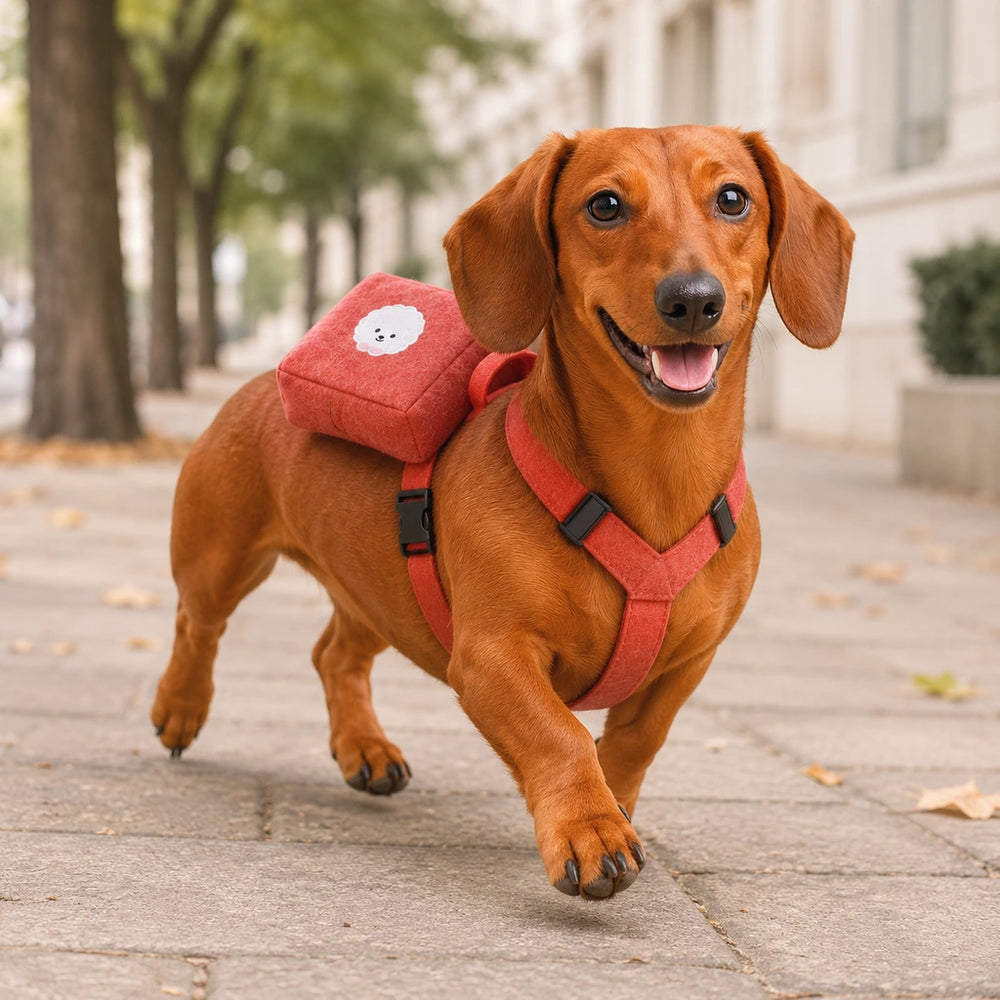
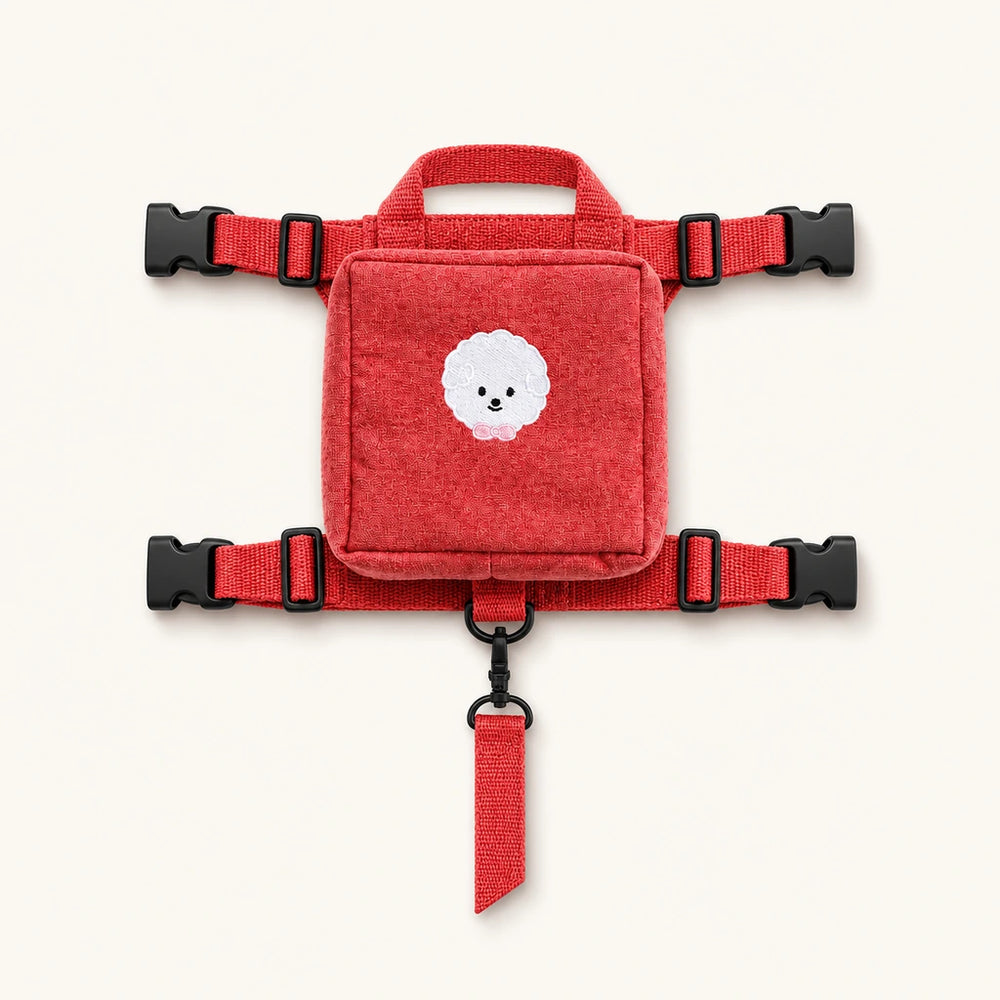
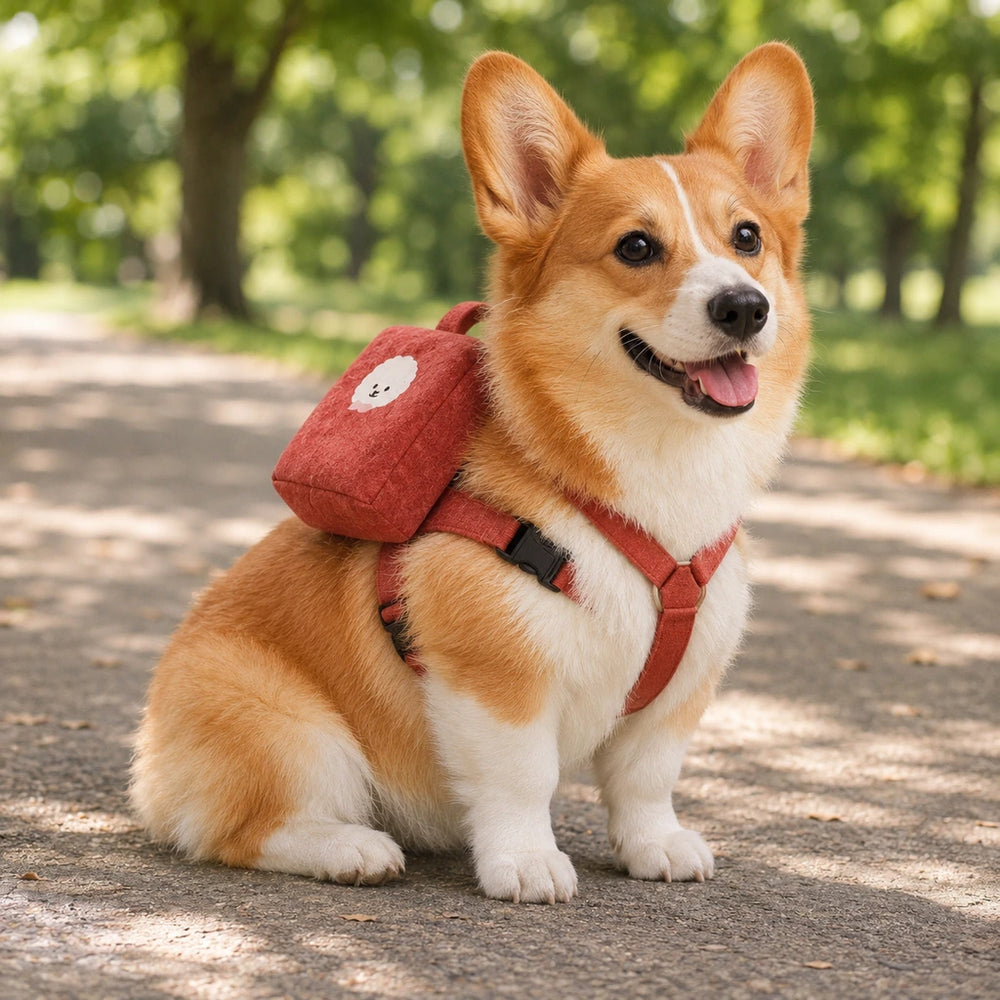
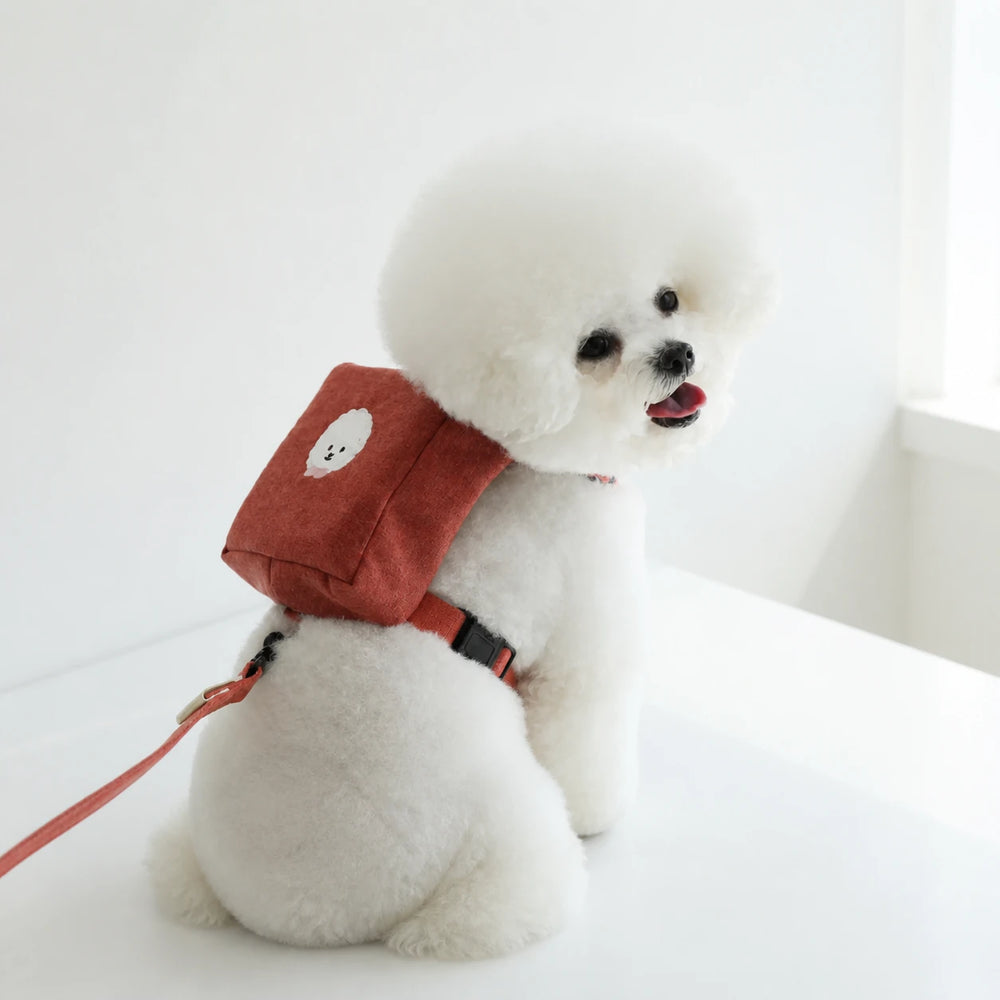
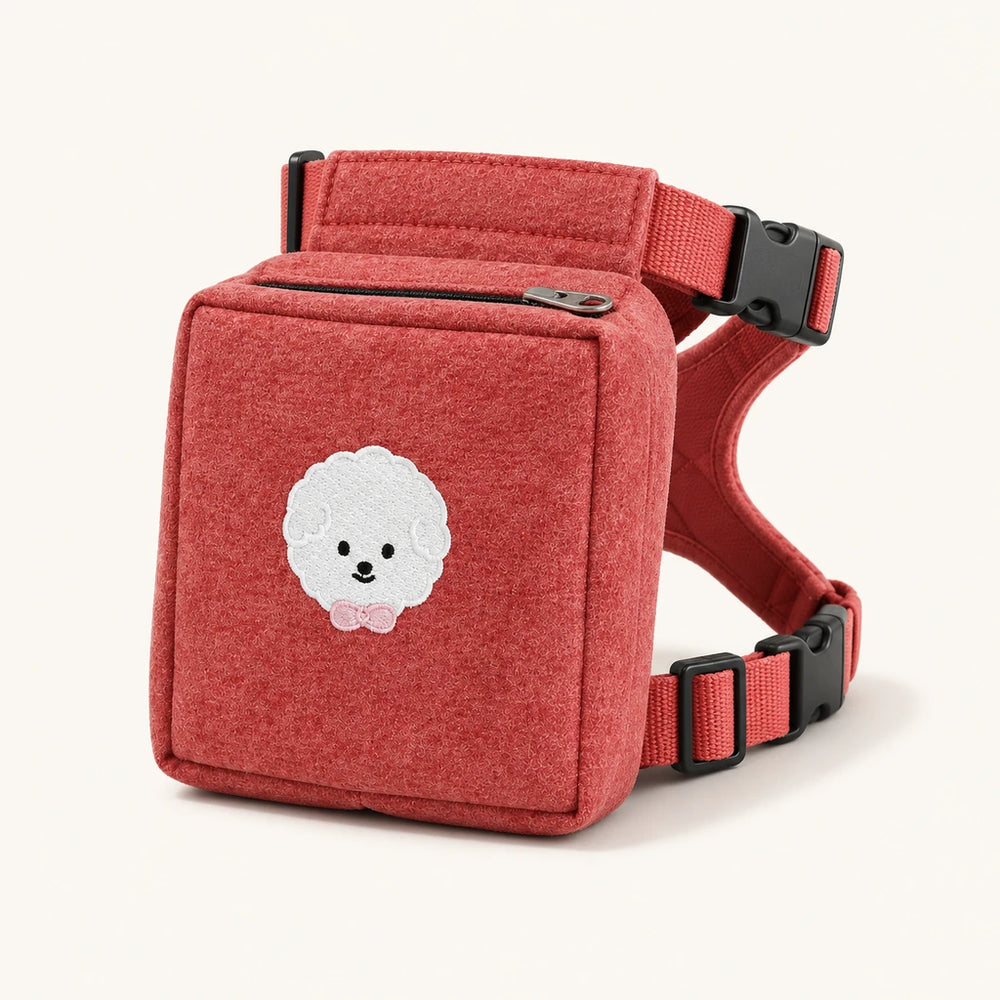
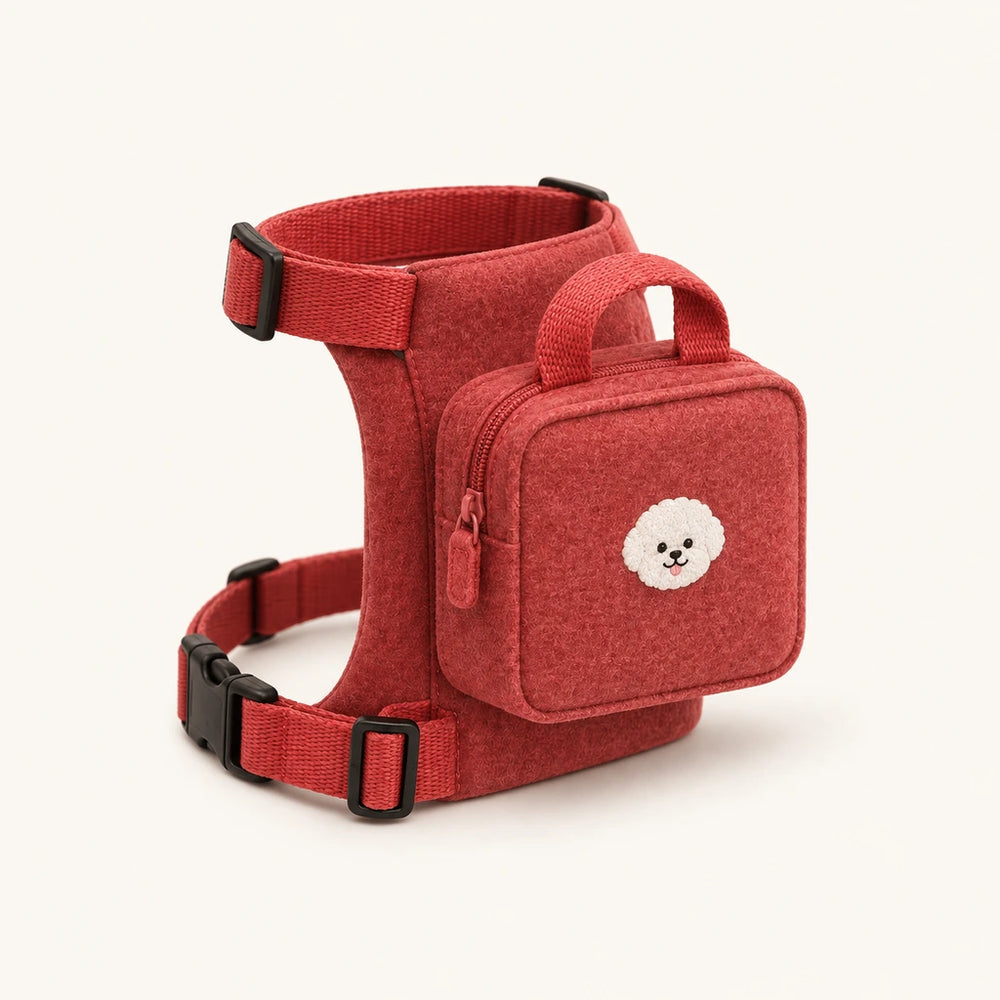

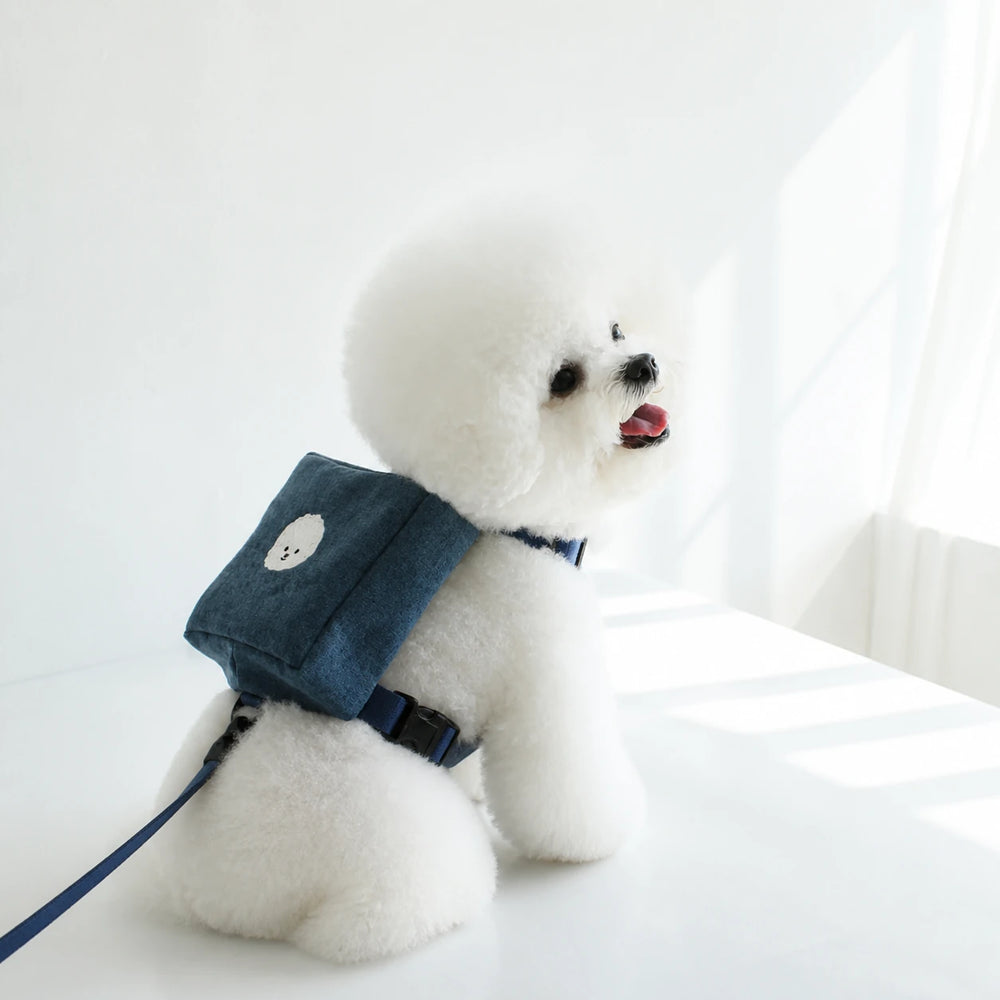
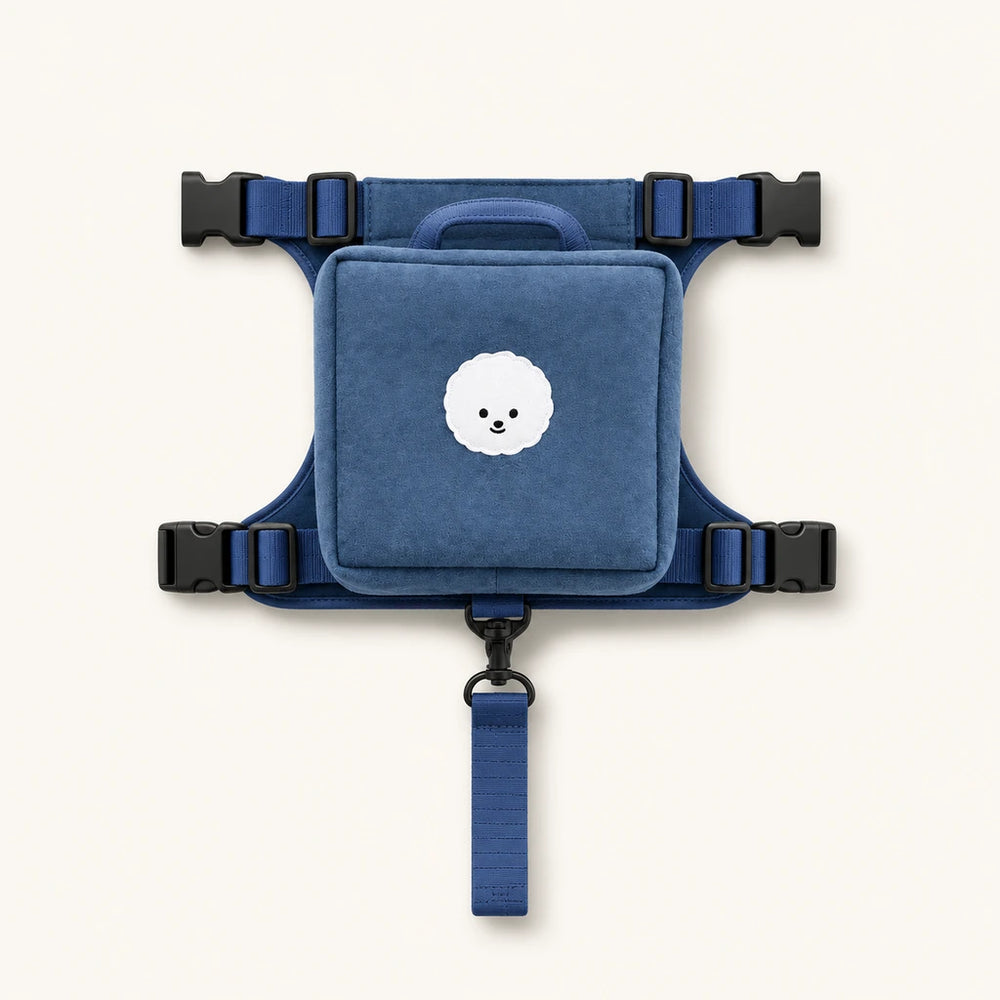
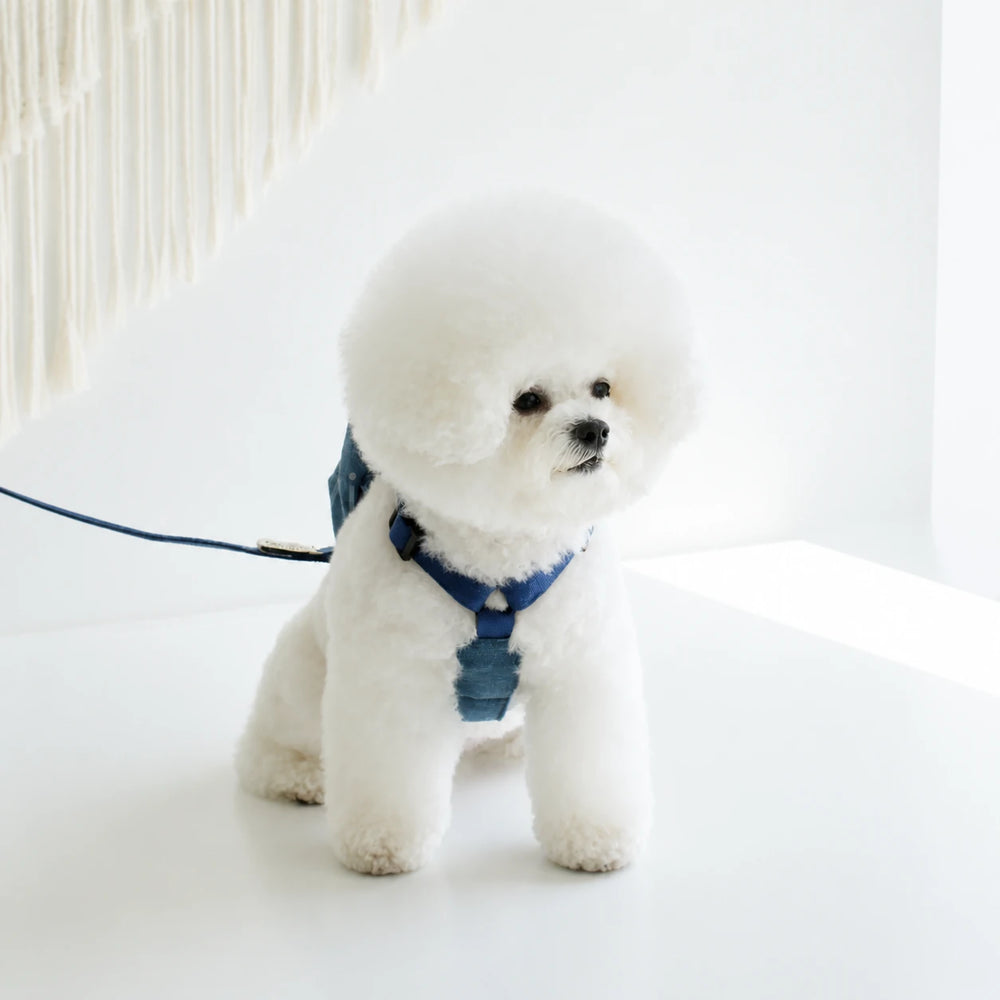
Urban Pet Harness Backpack: Carry-All for Small Dogs
- Dog Harness Backpack
- Pocket for Treats & Bags
- Balanced Light Carry
- Reflective Details
