




How to Choose a Cozy Haven Size for a Small Dog
Measure a small dog while resting, compare the listed S to XXL dimensions, and preserve a clear lowered entry and exit. The right size depends on posture and room.

Questions Before You Choose
I want a guaranteed calming or comfort result.
The bed is one optional resting spot; it isn't a medical or behavior fix.
I need the product to fit every pet or room.
Use measured posture, listed dimensions, access, and the individual pet response.
A few more things to check
- PostureMeasure curl, stretch, turning, and edge use.Breed or weight alone cannot decide fit.
- ClearanceKeep the lowered entry and exit open.Do not crowd the bed with furniture or household traffic.
- CareFollow the label and dry fully before reuse.Follow the care label and don't assume wash or construction details that aren't listed.
The Full Answer
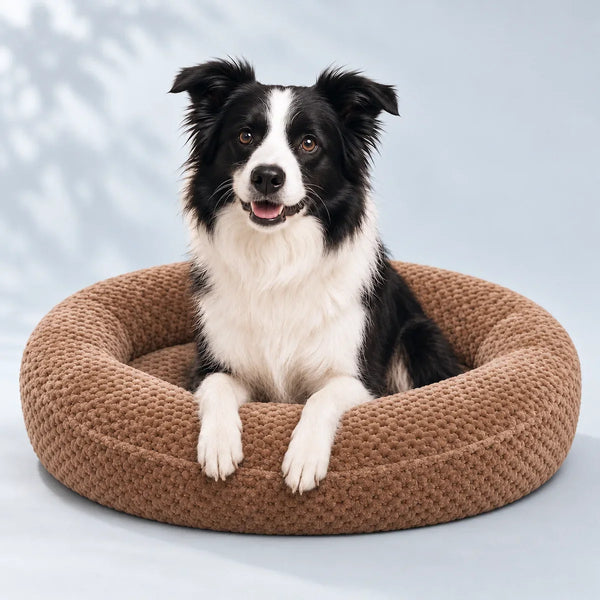
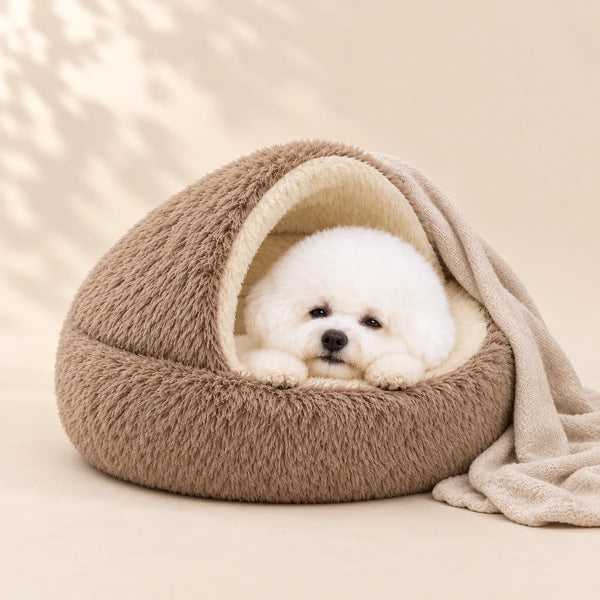
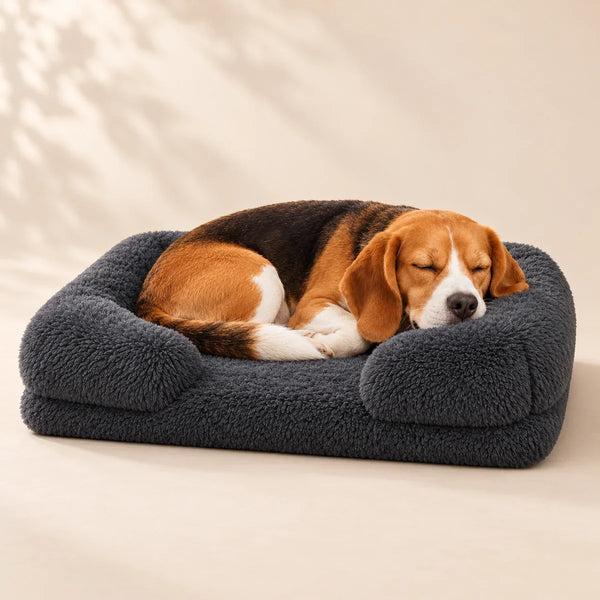
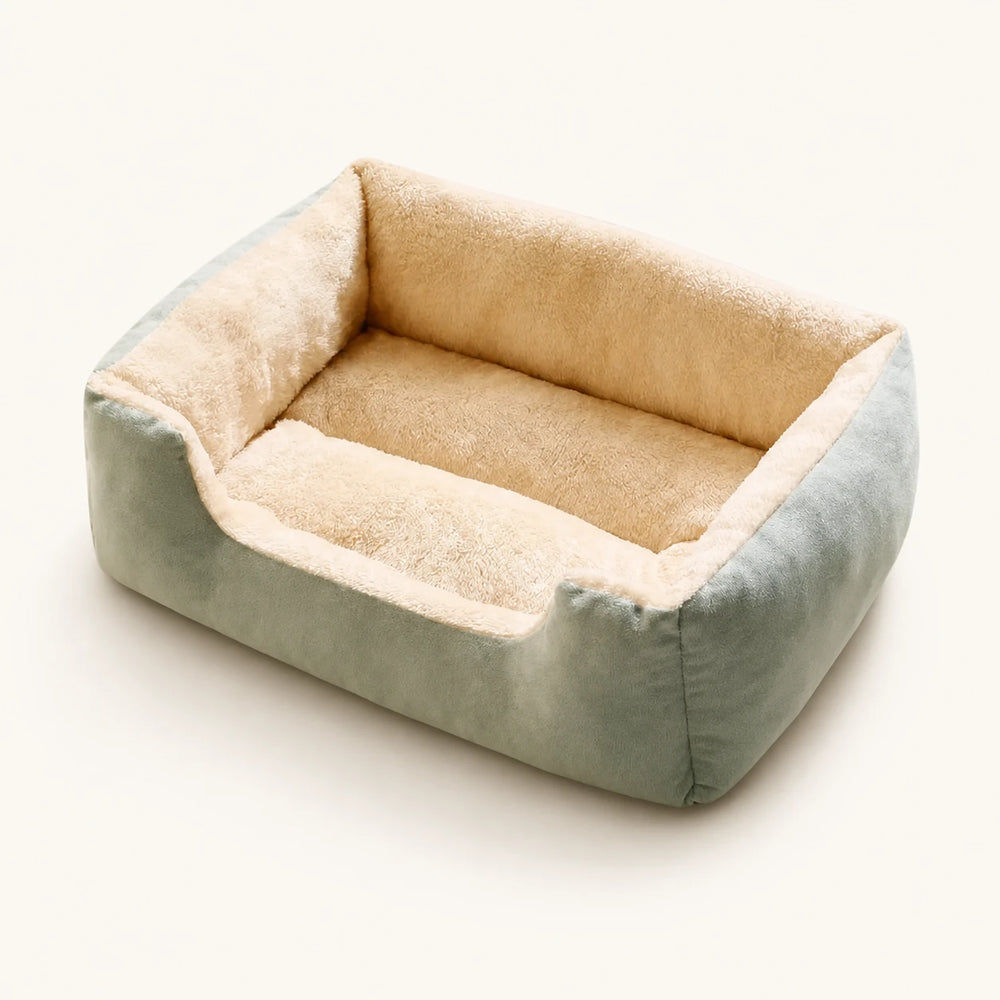
How do you choose a Cozy Haven size for a small dog? Measure the dog in its natural resting posture, compare that space with the listed bed dimensions, and leave room for the lowered entry and the area around the bed. Breed and weight can provide context, but they cannot decide fit by themselves. Cozy Haven is an open plush bolster bed for cats and small dogs, not a size promise for every individual animal.
Measure the dog when it is actually resting
Watch whether your dog curls tightly, stretches out, leans against an edge, or changes position throughout a nap. Measure the body in the position it uses most often, then allow extra room so it can turn and settle without pressing against furniture.
A small dog can still need more floor length than its label suggests. A dog that sprawls across a room may feel confined in a compact bed, while a dog that curls may prefer a more defined edge. Use the real sleeping pattern rather than a breed chart alone.
Start with the available floor space too. The lowered front needs a clear approach, and the dog needs room to step away. A bed that fits the body but blocks a walkway is not a good room fit.
For the full listed footprint comparison, open the Cozy Haven size guide before selecting a color.
Use the listed S to XXL dimensions
The listed options are S at 45 x 30 cm, M at 50 x 40 cm, L at 60 x 45 cm, XL at 70 x 50 cm, and XXL at 80 x 60 cm. These are outside bed dimensions as presented in the product information. They do not establish the exact usable sleeping surface inside the raised sides.
For many small dogs, S or M may be a starting point, but the correct choice depends on posture and movement. A longer small dog may need L even when its weight is modest. A compact curler may not need the largest footprint if the room around the bed becomes awkward.
Mark the candidate footprint on the floor with removable tape. Check the front entry, door swing, chair legs, water bowl, and the dog's ordinary path. Measure twice if the bed will sit beside a crate, sofa, or desk.

Account for the bolster and lowered entry
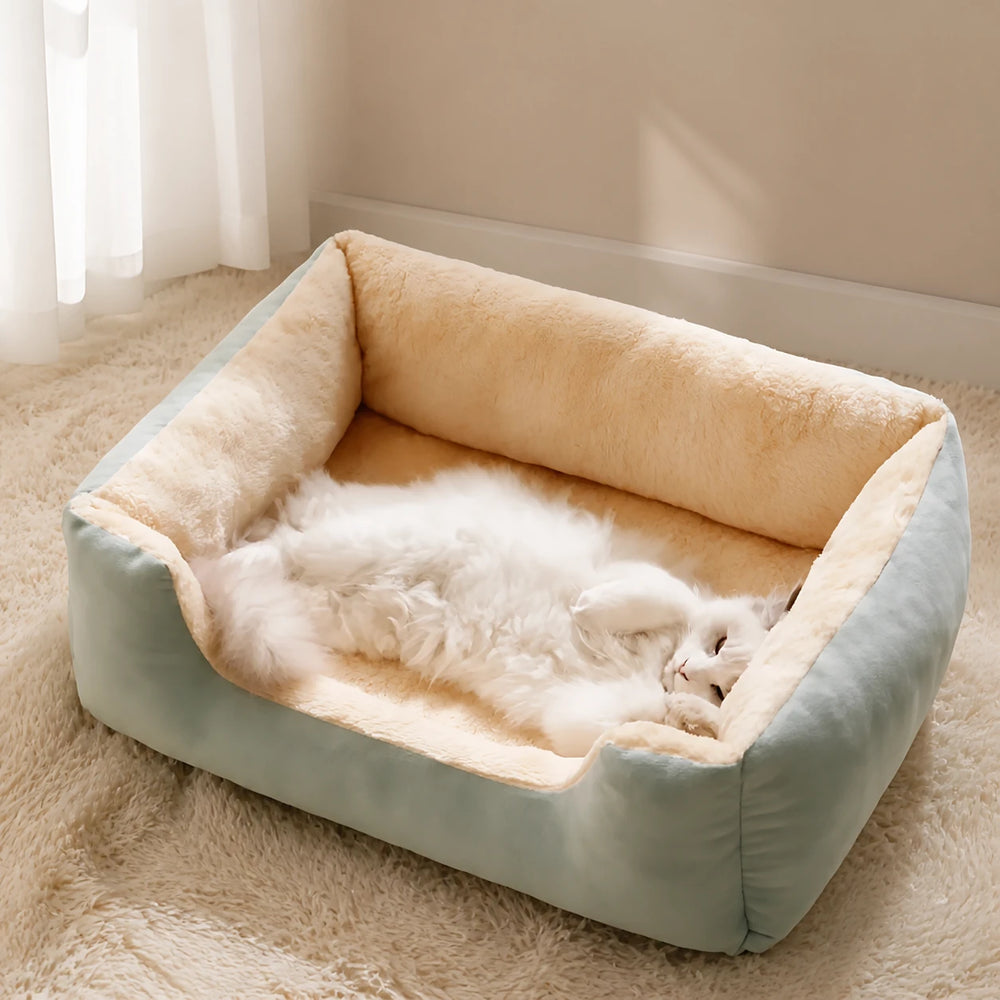
Raised cushioned sides give the dog an edge to lean against, while the lowered front provides the clearest approach. Do not measure only the flat-looking center or assume every centimeter is open sleeping space.
Face the lower entry toward the side the dog naturally approaches. Keep the front free from baskets, cables, and thick floor coverings that make stepping in or out less clear. The bed should remain easy to leave when the dog wants a cooler or different spot.
If your dog prefers a completely flat surface or regularly changes positions over a large area, compare the bolster shape with an open bed before buying. Read the bolster versus flat bed comparison for that decision.
Do not make weight the only fit rule
Weight is easy to find on a chart, but sleep posture is more useful for a bed. Notice how much space the dog occupies when it is fully relaxed, not only when it is standing beside you. Include the head, shoulders, paws, and the room needed to change position.
Breed labels can hide large differences in body shape and sleeping style. A small dog that stretches may need a longer footprint than a heavier dog that curls. The bed should support the real routine you can observe.
Choose the next size up only when the room can still preserve a clear route. A larger outside footprint does not automatically mean better comfort, and it can make a small room harder to use.
Introduce the new bed at the dog's pace
Place Cozy Haven near a familiar rest spot and let your dog sniff or walk around it. Do not lift the dog into the bed or block its route until it stays. A dog may step in briefly, lie with one paw over the edge, or ignore the bed for a while before deciding.
Keep an ordinary blanket or familiar bed available during introduction. The new bed is an option, not a test. Voluntary use is more useful than a staged photograph or a forced nap.
Stop and reconsider if the dog repeatedly avoids the area, chews the fabric, becomes trapped against furniture, or seems uncomfortable. A different surface or room zone may be the better choice.
Watch mobility and health boundaries
The lowered front can make approach clearer than a fully high-sided bed, but it isn't described as a medical or orthopedic benefit. If your dog has pain, stiffness, injury, recovery needs, or a sudden reluctance to move, ask a veterinarian about the situation.
Do not use the bed description to diagnose discomfort or promise relief. Fit is a household decision; health questions need professional guidance.
Choose a color after the footprint
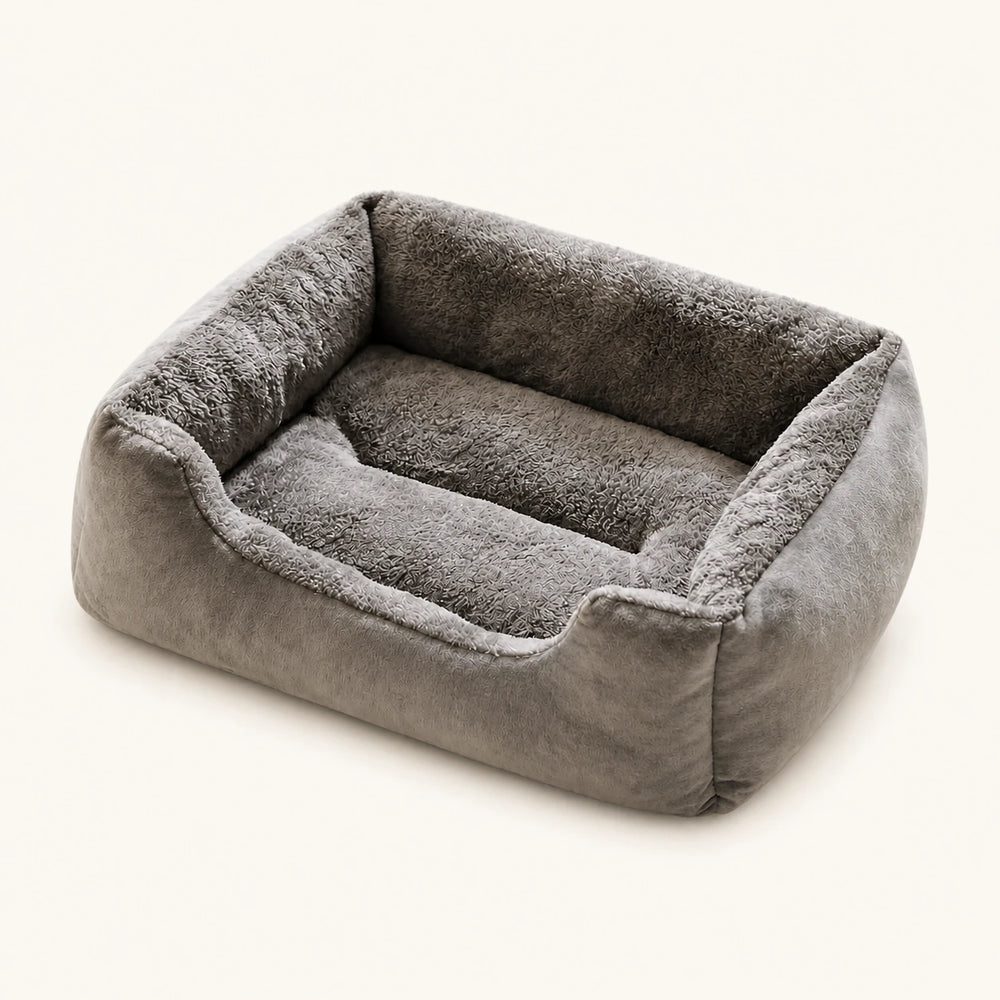
Pink, Green, and Gray are the listed color choices. Select the color that suits the room only after the size and route are clear. A color does not change the bed's dimensions or guarantee that a dog will accept the surface.
A calm, consistent location matters more than a perfect color match. Keep the bed visible enough to inspect for hair, soil, loose stitching, and changes in use.
Keep care instructions precise
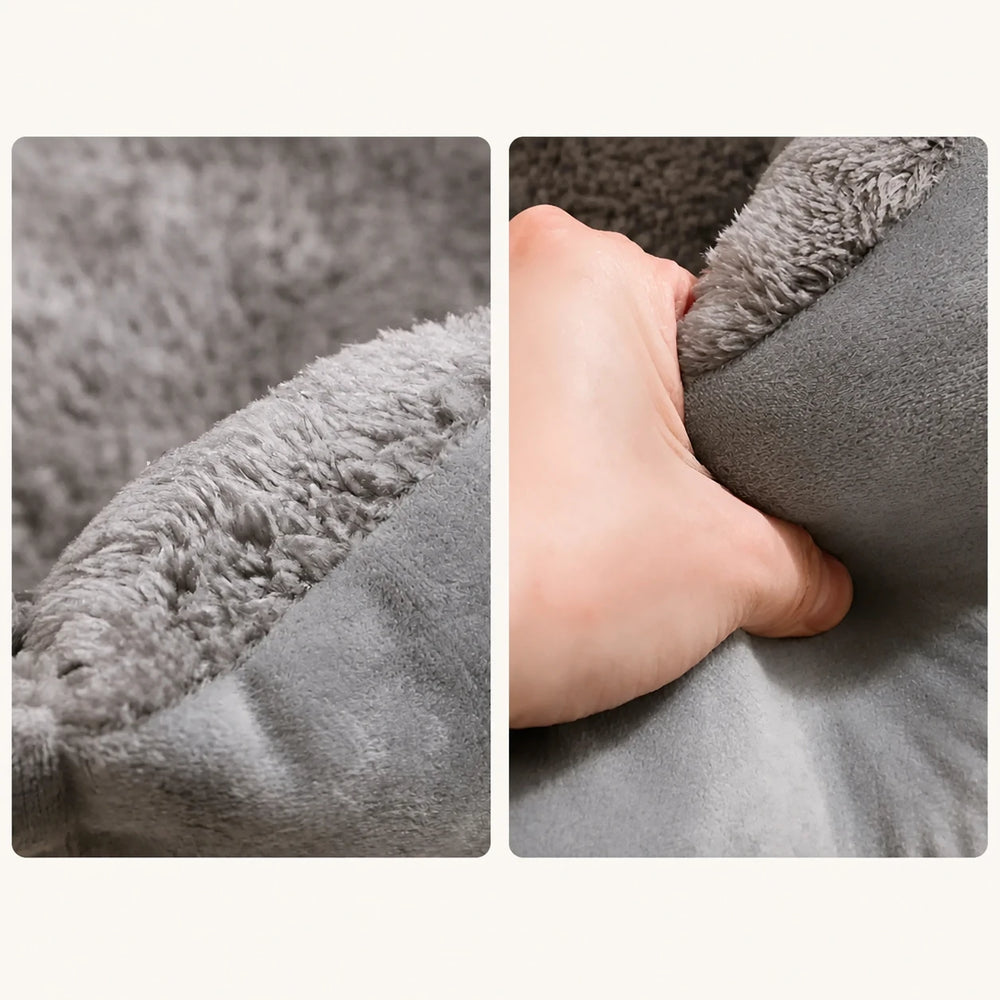
Remove loose hair regularly, follow the product care label, and let the bed dry fully before reuse. Inspect the surface and seams. Do not assume machine washing, a removable cover, stain resistance, waterproofing, or chew resistance without explicit current instructions.
Place the bed where cleaning access is easy. If the chosen size fits only when pressed against a wall or heavy furniture, the room may be asking for a smaller footprint or a different location.
Small-dog sizing questions
Is S always right for a small dog? No. Measure the resting posture and compare it with the listed 45 x 30 cm footprint plus the room around the entry.
Should I size up for a dog that sprawls? Consider a longer listed size if the room leaves a clear approach and exit. Check the actual posture rather than choosing by weight alone.
Can the bed fill the crate? Do not block movement or the entry. The bed must fit the real usable space, not simply occupy the available box.
What if my dog prefers a flat mat? Keep the flat option available and compare the raised edge with the dog's actual routine.
Make the size decision in the room where it will live
The best Cozy Haven size is the one that gives your small dog enough resting room while preserving a clear lowered entry, turning space, and easy exit. Measure first, observe the dog's response, and review the listed options on the Cozy Haven product page only after the footprint makes sense.
Common Questions
Is S always right for a small dog?
No. Measure the natural resting posture and compare the listed footprint.
Should I size up for a sprawler?
Consider a longer size if the room leaves a clear approach and exit.
Can the bed fill a crate?
Do not block movement or the lowered entry.
What if my dog prefers a flat mat?
Keep the flat option available and compare the shapes by actual routine.
Is It Right for Your Pet?
Compare related questions for this product and use case.

Cozy Haven Plush Bolster Pet Bed
- Plush Bolster Pet Bed
- Raised Sides for Chin Rest
- Low Front for Easy Entry
- Sizes S to XXL
