




How to Introduce a Cave Bed Without Forcing Entry
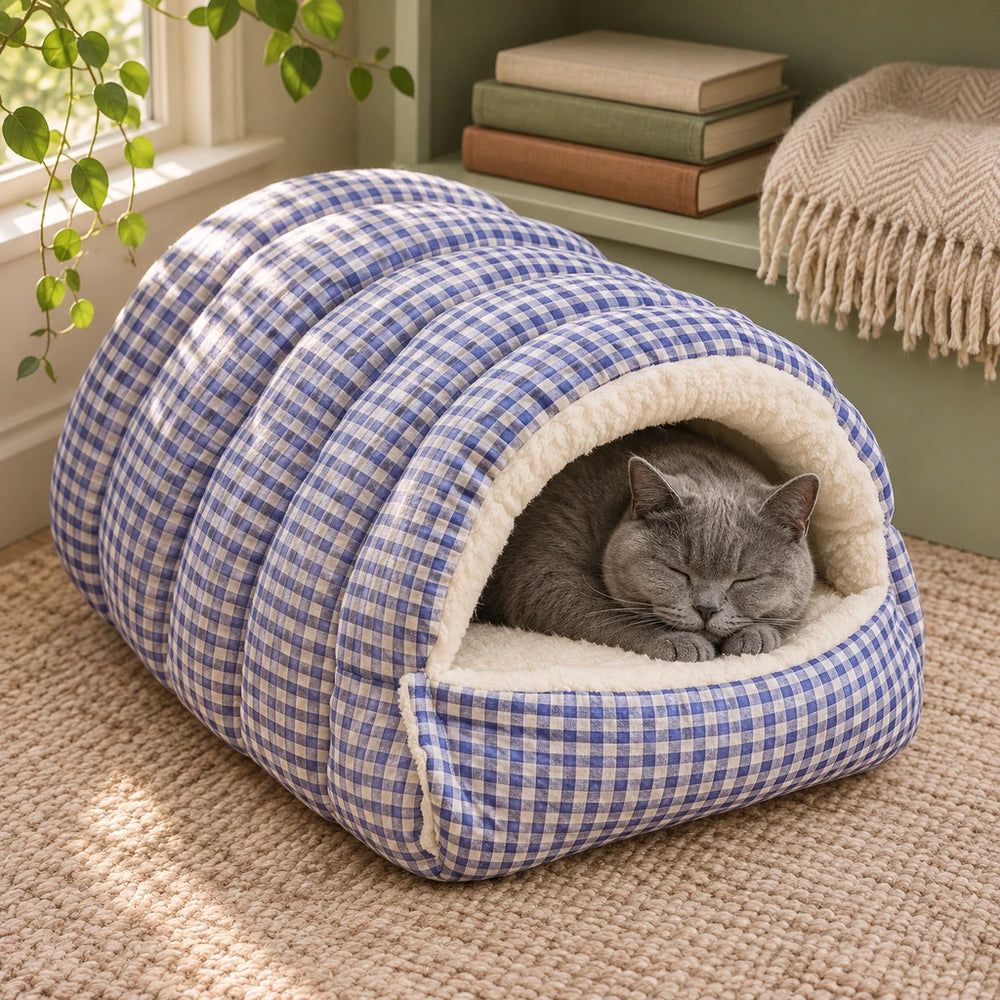
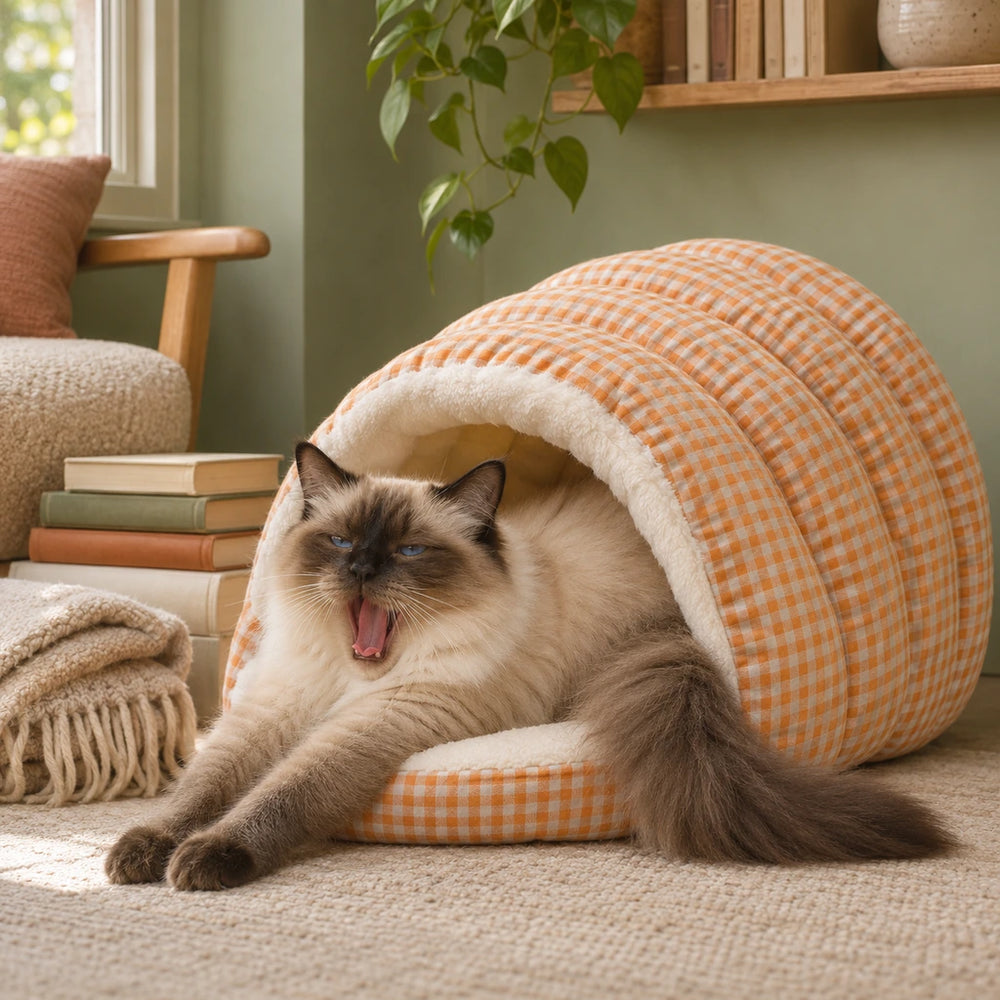
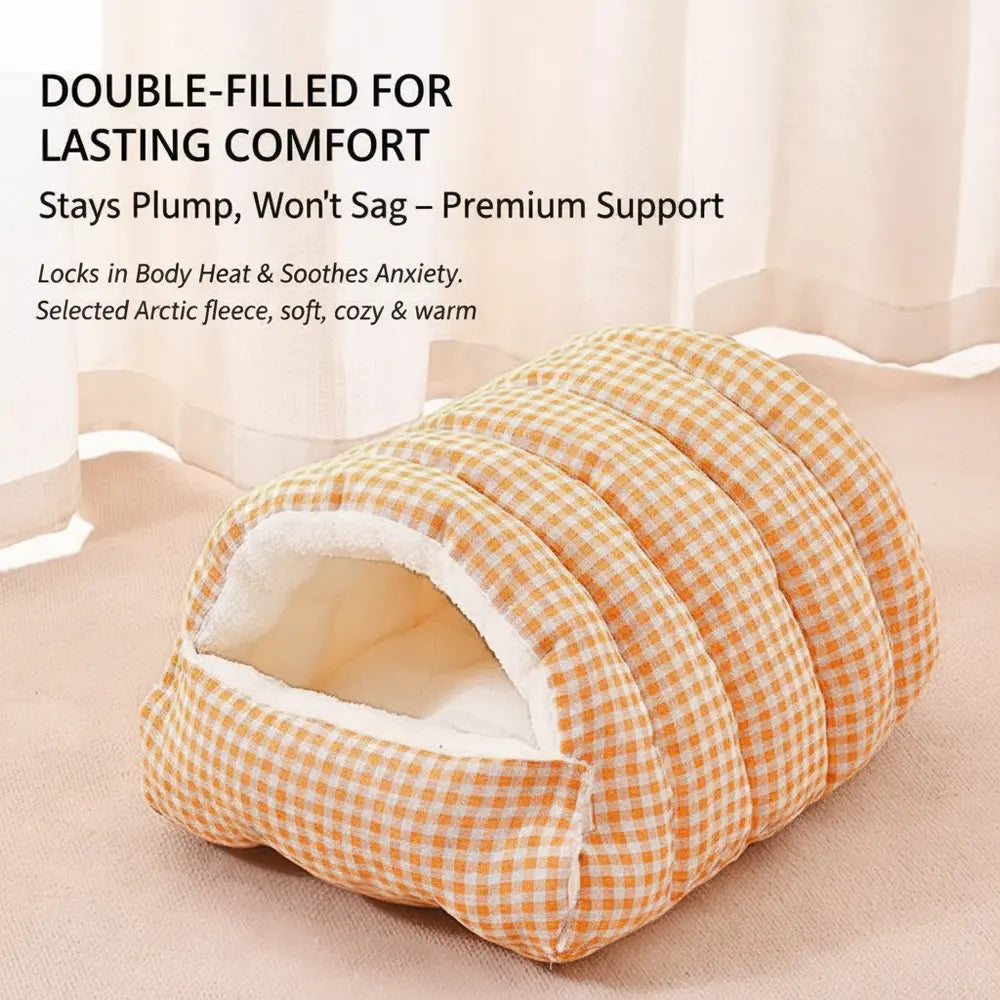
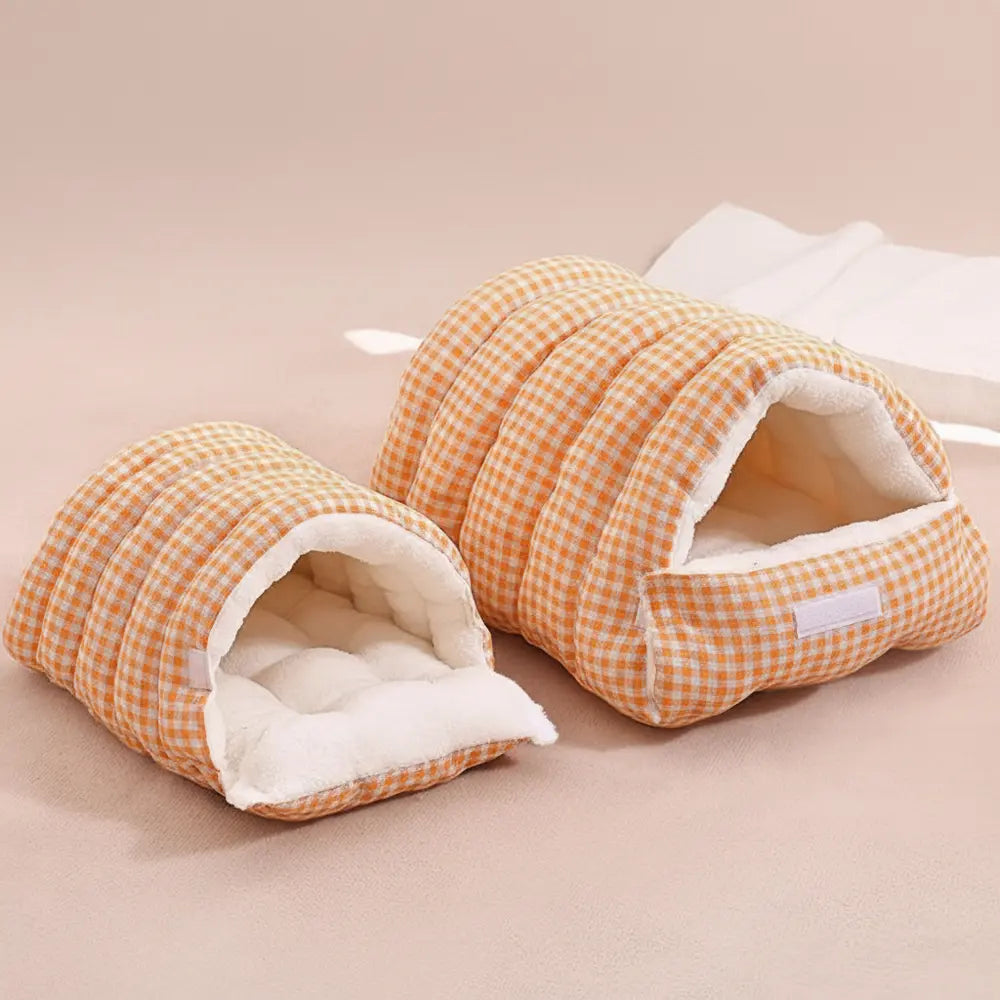
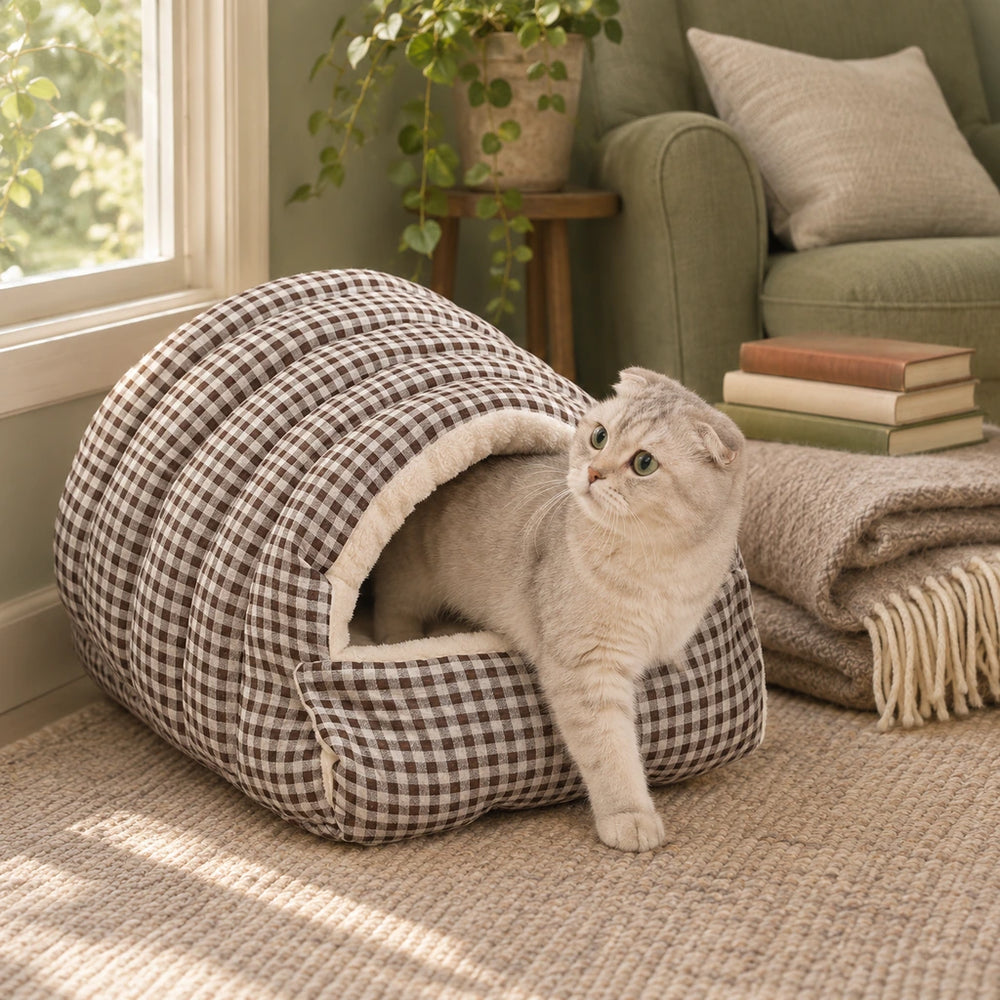
Set the Cozy Cave near a familiar spot, keep the entrance open and an old bed beside it, and let your pet choose. Floor space: 48 x 30 cm or 65 x 40 cm.
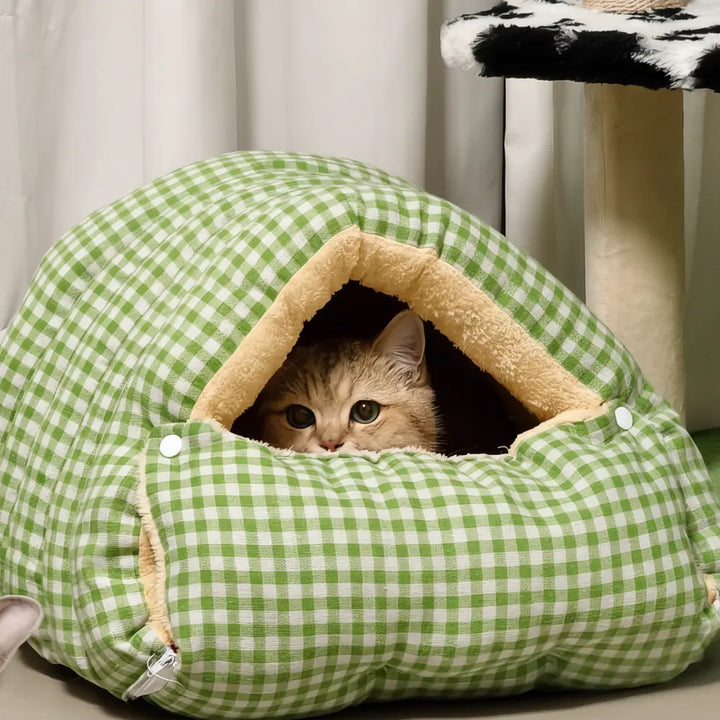
Step-by-step guide
-
Choose a Calm Place
Start near a familiar rest spot with a clear route to water, family, and exit.
-
Face the Entrance Outward
Keep the opening visible and away from blocked walkways.
-
Let the Pet Notice It
Step back and allow looking, sniffing, circling, or walking past.
-
Check Entry and Exit
Watch whether the pet can turn, settle, and leave without pressure.
The Full Answer
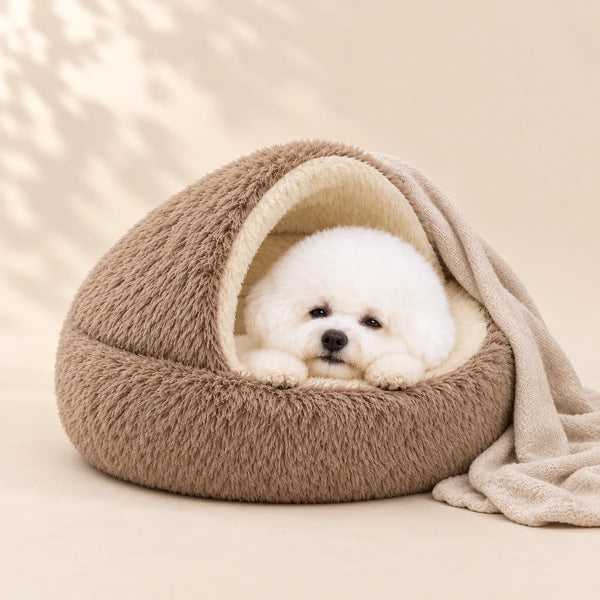
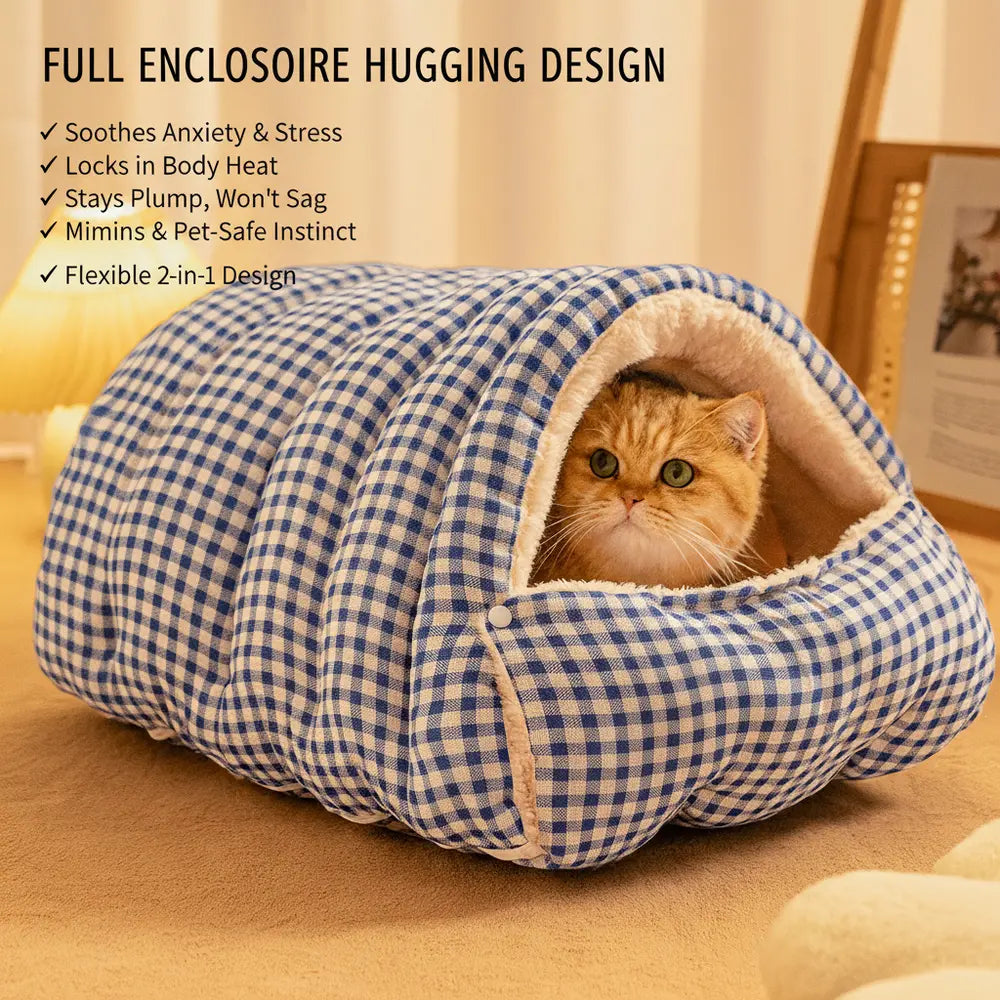
Introduce the Cozy Cave Pet Bed for Security & Warmth in stages: set it near a familiar rest spot with the open entrance facing the room, keep the old bed or blanket beside it, let your pet look and sniff, and never place the pet inside. Allow floor space of 48 x 30 cm (18.9 x 11.8 in) for M or 65 x 40 cm (25.6 x 15.8 in) for L, plus room in front of the entrance. Some pets go in at once and others need time, so leave it in place and watch what your pet chooses.
| Setup | What to do | What to watch |
|---|---|---|
| Place | Near a spot your pet already rests, away from doors and heat sources. | A clear route to water and to the exit. |
| Entrance | Face it toward open floor and keep toys, bowls and cords away. | Your pet can back out without bumping furniture. |
| Nearby choice | Keep the familiar bed or blanket within reach, plus a cooler open spot in warm rooms. | Which surface your pet picks on its own. |
| First sessions | Step back. Do not lift, push or call the pet in. | Looking, sniffing, entering and leaving are all useful answers. |
Step 1: choose a calm place
Pick a room the pet already uses and a moment without unusual noise or crowding. Keep a path to water, family, and exit areas. M measures 48 x 30 x 20 cm (18.9 x 11.8 x 7.9 in) and L measures 65 x 40 x 28 cm (25.6 x 15.8 x 11 in), so leave room around the whole footprint.
Do not place the cave in a doorway, beside a moving door, against a heat source, or in a tight corner. A calm place is one the pet can reach without crossing an obstacle course and leave without being followed.
Step 2: set the entrance toward open space
Face the entrance toward the room rather than a wall or a blocked passage. Keep toys, bowls, cords, and loose blankets out of the doorway. Let the pet see the opening from its normal route.
Check the view from the pet’s height. Can the animal see enough of the room to decide whether to enter? Can it back out without hitting furniture? If not, change the placement before inviting exploration.
Step 3: leave a familiar option nearby
Keep the pet’s existing blanket, open bed, or mat in its usual place. A familiar surface gives the animal a clear comparison and keeps the change reversible. Do not remove every other rest place to make the cave the only choice.
In warm rooms or seasons, keep a cooler open resting spot easy to reach. The product page says to keep a cooler resting option available in warm rooms. A covered bed should add an option, not remove one.

Step 4: let the pet notice it while it is empty
Place the bed and step back. Let the pet look, sniff, circle, or walk past it. Do not lift the pet into the entrance, push the nose toward the interior, or hold the animal in front of the cave.
A first observation can end without entry. If the pet leaves, allow the space to remain available and try another quiet period. A voluntary return is more useful than a forced first visit.
Step 5: use familiar scent carefully
If the pet already uses a particular blanket, place it beside the cave or at the edge of the entrance. Avoid filling the interior with loose fabric that could cover the face, tangle, or make the route difficult.
Do not add strong fragrances or cleaning products to make the bed smell new. The pet should be able to investigate the actual shape and surface. Keep the entrance open so scent does not become the only clue.
Step 6: observe the first approach
Watch from the side. A pet may pause at the entrance, put in one paw, sniff the lining, enter and leave, or rest with its head outside. These are different choices, not stages the owner must force into a final result.
Keep people and other animals from crowding the doorway. If the pet looks back at you, give more distance. The owner’s quiet posture can help the pet make its own decision.
Step 7: check turning and exit
If the pet enters, observe whether it can turn, settle, and come out without pressing into the structure or catching a paw. Do not reach inside to adjust the animal. Keep your hands outside and let the pet change position.
Check the route after the pet exits. The entrance should remain open, the bed should not shift into a walkway, and another animal should not be able to block access. If the path is awkward, change the room arrangement.
Step 8: watch the room temperature
The fleece-lined interior can feel different from an open surface, but the product page gives no fixed temperature or warmth rating. Look at the room, sunlight, heating, airflow, and season rather than assuming the bed will feel the same all day.
Keep the open alternative available and watch for repeated exits, restlessness, panting, or a search for the floor. Let the pet leave and choose the cooler place. Never close or cover the entrance to retain heat.
Step 9: keep the trial short
The first successful entry does not mean the pet should stay for a long nap. Let it leave naturally and return if it wants. Keep the room quiet and avoid turning the first visit into a photo session or a family event.
If the pet ignores the cave, leave it in place for a reasonable observation window and then return to the familiar option. Do not drag the cave closer every time the pet walks away. A lower-pressure setup gives a clearer answer.
Step 10: inspect the bed and floor
The product page gives no waterproof rating and no machine-wash instruction. It advises shaking out loose hair, checking for dampness and letting the bed air fully. Check the open entrance, fleece interior, seams and floor, keep the bed dry, and ask our team before washing it.
Look for loose fabric, a shifted position, or furniture that now blocks the route. Make the room safe for the pet’s whole movement pattern, not only for the moment when the animal is inside.
Step 11: change one detail at a time
If the pet likes the cave but avoids a busy room, change the room and keep the entrance arrangement the same. If it enters but leaves when the room warms, make the open option easier to reach. If it dislikes the shape, return to the familiar mat and do not add more pressure.
Change one detail so you know what helped. Moving the bed, adding fabric, changing people, and changing the time of day together makes the pet’s response difficult to read.
Step 12: know when to pause
Pause if the pet becomes tense, repeatedly avoids the room, vocalizes, cannot find a clear exit, or shows a sudden change in normal behaviour. A new hiding pattern, breathing change, pain sign, or reluctance to move may need veterinary or behaviour guidance.
A covered bed is not a treatment for anxiety. It is a rest place a pet can choose freely, and a health or behavior question belongs with a veterinarian or behavior professional.
Tell the difference between exploration and pressure
Exploration has pauses, retreats, and returns. Pressure begins when the owner blocks the exit, places the pet inside, repeatedly calls it back, or changes the room so the cave is the only option. Keep the owner’s role small and let the animal’s movement answer the question.
If your pet is cautious or nervous
Start during an ordinary calm period, not during a storm, guests or a hiding episode, and keep the bed where your pet can watch it from a distance. Stiffening, a tucked posture, freezing, vocalizing or leaving are signals to stop for the day and leave the bed where it is without any more pressure.
The cave is a bed, not a crate or a carrier, so never close, weigh down or cover the entrance. If your pet hides more than usual or you see a sudden change in appetite, sleep, movement or breathing, talk to a veterinarian or a behavior professional.
Keep the bed optional
Leave the open bed or blanket available while you learn. Some pets use a cave at night and an open surface during the day. Some use the entrance as a boundary and never go fully inside. Each pattern can be acceptable if the route is safe and the pet remains free to leave.
If your pet keeps choosing the old bed, our comparison of cave beds, open beds and other options helps you decide what to try next, and the Cozy Cave size guide shows the M and L footprints in detail. You can see both sizes on the Cozy Cave Pet Bed for Security & Warmth product page, find other cozy options in the comfort and rest collection, and plan the rest of the room with our guide to pet sleep setups by room.
Common Questions
Should I put my pet inside?
No. Leave the entrance open and let the pet approach or leave freely.
What if my pet ignores the bed?
Keep the familiar rest option available and treat ignoring it as useful information. Some pets need time, and some prefer an open bed.
When should I stop?
Stop when the pet becomes tense, avoids the room, or cannot leave comfortably. If your pet hides more than usual or shows a sudden change in behavior, ask a veterinarian or behavior professional.
More guides
Continue with related guides for this product.
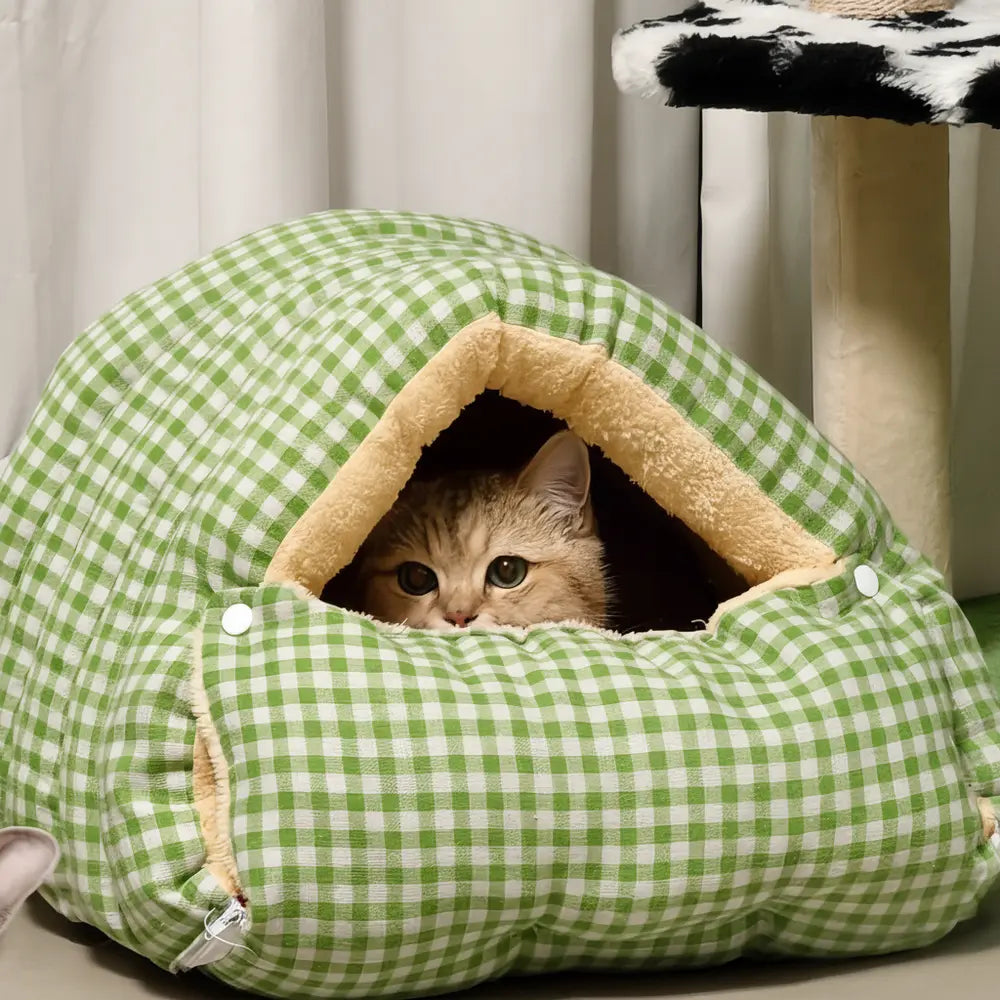
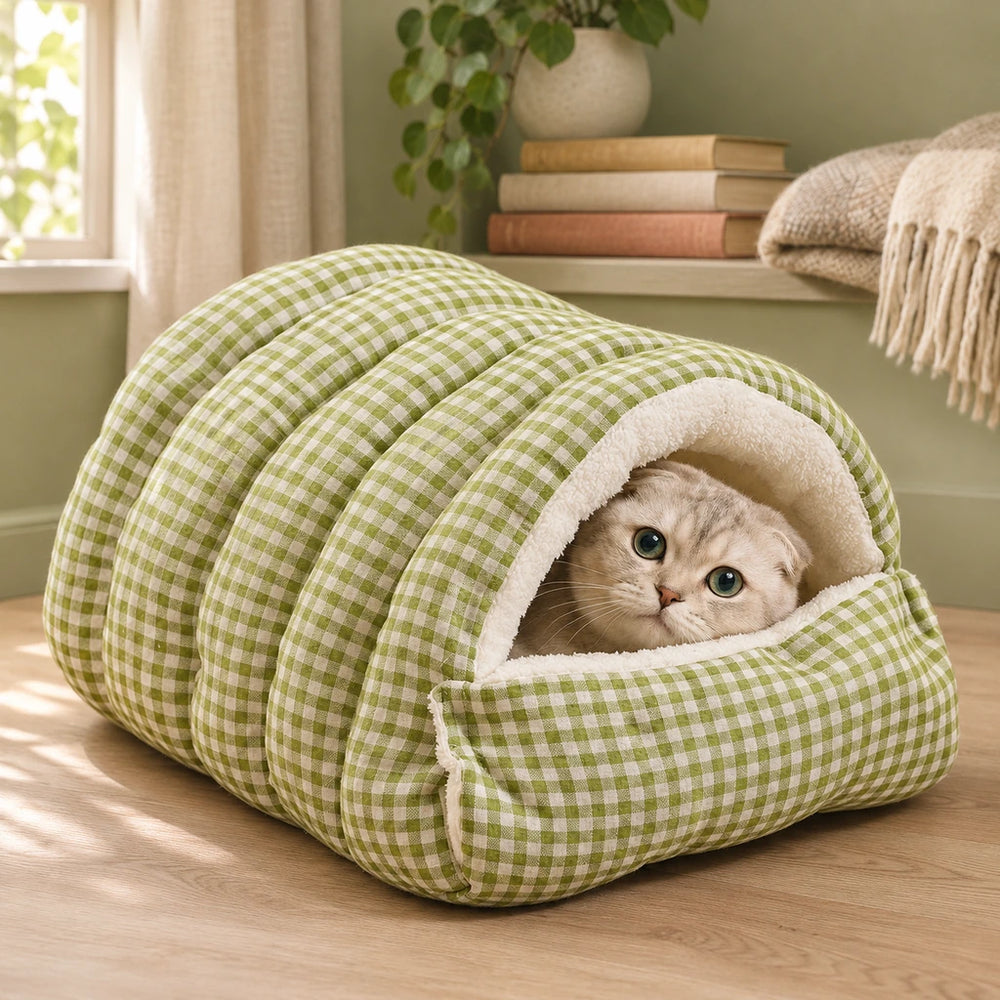

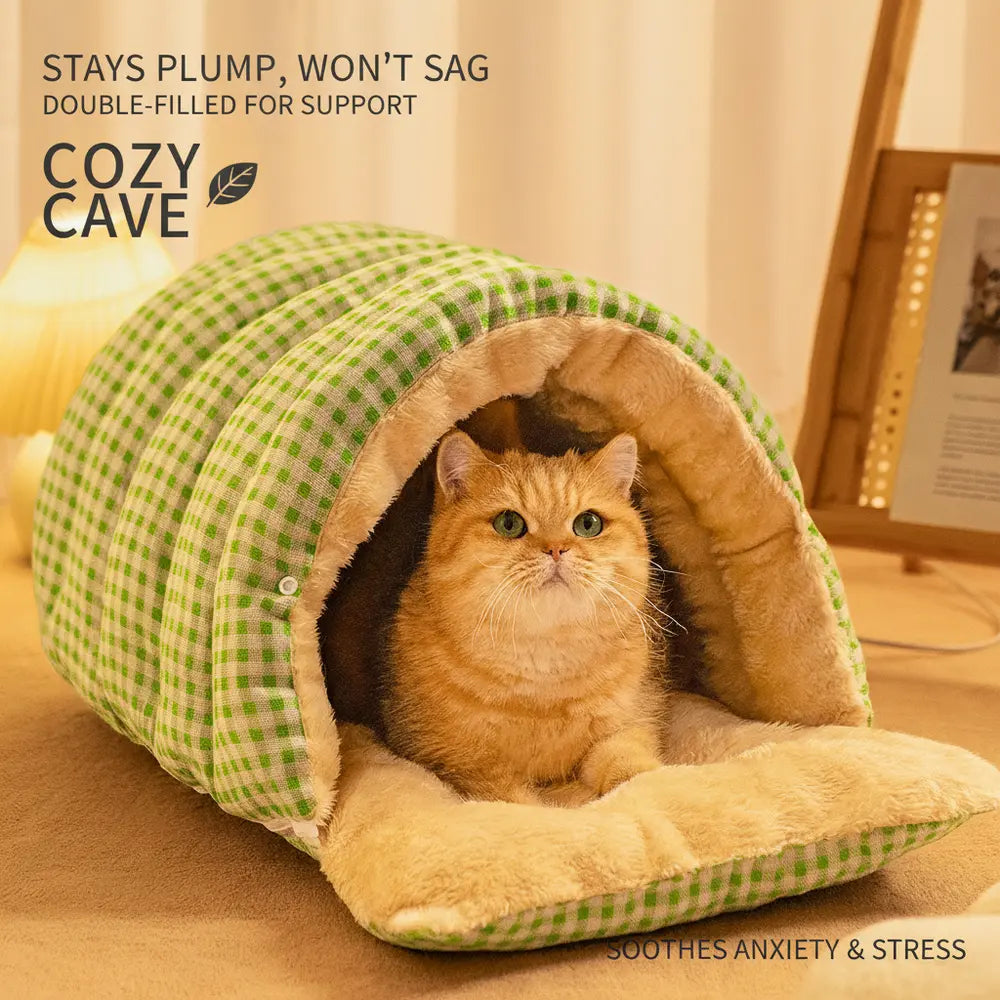
Cozy Cave Pet Bed for Security & Warmth
- Cozy Cave Pet Bed
- Covered Nook for Burrowing
- Warm Fleece-Lined Interior
- Open Entrance
