






Senior dog strength and mobility
A familiar moment can be frightening: your older dog rises from the floor, pauses, shifts weight from one leg to the other, and takes the stairs one step at a time. You may wonder whether this is ordinary aging, arthritis, illness, or true muscle loss.
Sarcopenia in senior dogs is age-related loss of muscle mass and strength. It can be influenced by aging, reduced activity, pain, illness, appetite changes, and metabolic changes. You can often support strength and mobility with three coordinated steps: identify the cause early, provide complete nutrition with appropriate protein, and use gentle exercise that matches your dog’s physical limits.
The goal is not to make an older dog exercise like a young athlete. It is to preserve useful movement, reduce preventable deconditioning, and help your dog stay comfortable while a veterinarian investigates problems that may be treatable.
The practical plan: schedule an assessment for progressive or marked muscle loss, review the diet rather than simply adding protein, begin short low-impact activity only when pain and medical risks have been considered, and track changes over time.

What causes muscle loss in senior dogs?
Muscle loss in an older dog can reflect normal age-related change, but it can also signal pain, disease, poor appetite, or reduced use of the muscles. Sarcopenia describes loss of lean muscle associated with aging. Cachexia describes muscle loss linked to chronic disease. These conditions can look similar at home, so visible wasting deserves more than a quick assumption that your dog is “just getting old.”
As dogs age, their lean body mass, activity level, appetite, and energy needs can change. A dog that moves less because of arthritis may lose strength simply because the muscles are used less. A dog with dental pain may eat less. A dog with kidney, gastrointestinal, endocrine, heart, neurologic, or other disease may lose weight and muscle for a different reason.
The American Animal Hospital Association’s senior nutrition guidance recommends looking at muscle condition and body condition together. A dog can carry excess fat while losing muscle, so body weight alone may hide a decline in lean tissue.
Aging versus disease-related muscle loss
Normal aging tends to be gradual. Your dog may sleep more, recover more slowly after activity, or choose shorter walks. Those changes still deserve monitoring, but they do not automatically mean the dog has a serious disease.
Muscle loss becomes more concerning when it is:
- Rapid or clearly progressive
- Uneven, such as one thigh becoming much smaller than the other
- Paired with limping, pain, weakness, or reluctance to move
- Accompanied by appetite, thirst, urination, vomiting, diarrhea, or weight changes
- Associated with coughing, breathing changes, confusion, collapse, or difficulty swallowing
- Severe enough to affect standing, walking, toileting, or eating
A systematic review of canine osteoarthritis risk factors identified body weight as a potentially modifiable factor while also emphasizing conflicting findings and research gaps. Keeping a senior dog at a suitable body condition may reduce strain on painful joints, but weight management must be handled carefully if the dog is already thin or losing weight.
An illustrative Labrador example
Consider a hypothetical 10-year-old Labrador named Ruby. Over several months, Ruby’s owner notices that her hindquarters look flatter, she pauses before climbing stairs, and she no longer joins the family for long walks. Her appetite is mostly normal, and the change is gradual.
That pattern could involve age-related sarcopenia, arthritis, a previous injury, or another medical problem. It would be different from a single stiff morning after unusually hard activity. It would also be different from sudden weakness, dragging a limb, or collapse, which requires prompt veterinary attention.
Ruby’s example is illustrative, not a documented clinical case. The useful lesson is the decision point: gradual change still warrants evaluation because early pain control, nutrition review, and rehabilitation may help preserve function.
What are the signs of muscle wasting in dogs?
The clearest signs of muscle wasting are a smaller muscle profile, reduced strength, and declining ability to perform familiar tasks. Owners often notice functional changes before they can identify a specific muscle group.
Watch for changes such as:
- A hollowed appearance beside the spine or over the hips
- Thinner thighs, shoulders, or upper legs
- Bones becoming easier to see or feel
- Trouble rising from a lying position
- Slower walking or shorter strides
- Avoiding stairs, jumping, or getting into the car
- Sitting down during walks
- Reluctance to turn, pivot, or walk on slippery floors
- A changed gait, limp, or uneven weight bearing
- Less interest in play or normal household activity
- Increased sleeping combined with reduced movement
- Difficulty maintaining balance or posture
A dog may lose muscle without a large change on the scale. Fat can remain stable while lean tissue declines. That is why photographs, videos, body condition checks, and regular veterinary examinations can be more informative than weight alone.

Is it stiffness or sarcopenia?
Stiffness describes difficulty moving smoothly. Sarcopenia describes loss of muscle mass and strength. They can occur together, especially when pain causes a dog to avoid using a limb.
| What you notice | More consistent with stiffness or pain | More consistent with muscle loss |
|---|---|---|
| Getting up | Slow, guarded, or uncomfortable movement | Weak push-off or repeated attempts |
| Appearance | Tight posture or shortened stride | Visible thinning over hips, thighs, shoulders, or spine |
| Activity | Warms up after gentle movement, though not always | Endurance and strength remain reduced even after warming up |
| Distribution | May affect one painful limb or joint | May be generalized or notably worse on one side |
| Behavior | Reluctance, irritability, licking a joint | Fatigue, weakness, reduced ability to complete tasks |
| Veterinary concern | Pain, arthritis, injury, or neurologic disease | Sarcopenia, cachexia, disuse, or an underlying illness |
This table is a guide for observation, not a diagnosis. A dog that is losing muscle may also be painful, and a dog with arthritis may have muscle loss from disuse.
A peer-reviewed study of owner-reported screening and functional mobility testing found that owner observations can help identify dogs for veterinary osteoarthritis evaluation. The study also kept an important boundary clear: an owner checklist can support a conversation with a veterinarian, but it is not a diagnosis.
When should you call the veterinarian?
Arrange a veterinary appointment soon if muscle loss is progressive, obvious, asymmetric, or paired with reduced appetite, lethargy, pain, vomiting, diarrhea, increased thirst, increased urination, or altered behavior. Seek urgent care for sudden weakness, collapse, inability to stand, severe pain, a swollen limb, a non-weight-bearing limp, dragging of the legs, breathing difficulty, or a sudden neurologic change.
A senior assessment may include:
- Weight and body condition score
- Muscle condition score
- Orthopedic and neurologic examination
- Gait and movement assessment
- Pain assessment
- Senior blood profile
- Urinalysis
- Imaging or other tests based on the findings
The AAHA guidance for evaluating an unhealthy senior pet supports this broader approach. The purpose is to distinguish healthy aging from disease and to identify problems that may respond to treatment, pain control, dietary change, or rehabilitation.
How should you adjust a senior dog’s diet for muscle maintenance?
A senior dog’s muscle-support diet should begin with a complete and balanced food that fits the dog’s medical needs, body condition, activity level, and appetite. Protein matters, but simply feeding more protein is not a complete nutrition plan.
The phrase complete and balanced means the food is formulated to meet established nutrient requirements for the relevant life stage when fed as directed. A food labeled for senior dogs may be useful, but “senior” does not create one universal nutrient profile for every older dog.
The AAHA nutrition guidance states that maintenance energy needs generally decrease across a dog’s lifetime, while also recognizing that there is no single senior-dog calorie target. A thin, inactive dog with poor appetite may need a different feeding approach from an overweight dog with arthritis.
Protein: quality, amount, and medical context
Protein supplies amino acids, which are the building blocks used to maintain and repair body tissues. Older dogs may benefit from adequate protein quantity and quality, particularly when muscle loss is present and there is no medical reason to restrict or modify protein.
That does not mean every senior dog should receive a high-protein diet or a human protein powder. Dogs with kidney, liver, gastrointestinal, endocrine, cardiac, or other disease may need a carefully selected diet. Ask your veterinarian to interpret bloodwork and the food’s nutrient profile before making a large change.
A small controlled study of 36 senior Labrador Retrievers aged 8 to 12 years followed dogs for 26 weeks while they received an exercise program and diets that included a basal diet plus hydrolyzed whey isolate, pea isolate, or added fat and sugar. The whey group gained less fat and maintained a more favorable lean-to-fat ratio than the control group during that study. The dogs were a specific breed, exercised under a study protocol, and received a specific formulation, so the findings do not establish a universal protein dose or prove muscle regrowth for every old dog. You can review the senior Labrador whey protein study for the study design and limits.
The practical takeaway is simple: choose adequate, digestible protein within an individualized complete diet, then monitor body condition, muscle condition, appetite, stool quality, and weight.
Fat, calories, and meal frequency
Fat provides concentrated energy and can help some dogs maintain weight when appetite is poor. It can also add calories quickly, which may worsen excess weight in a dog that already moves very little. Carbohydrates and fiber can support energy, digestion, and stool quality, but their ideal amounts depend on the full formulation and the dog’s health.
A useful feeding review asks:
- Is the dog losing weight, gaining weight, or staying stable?
- Is the dog eating the full portion?
- Is the food complete and balanced?
- Does the diet match diagnosed conditions?
- Is the dog maintaining muscle while avoiding excess fat?
- Are treats and supplements contributing meaningful calories?
- Has the diet been changed slowly enough to protect digestion?
Many older dogs do well with two or more measured meals rather than one large meal. Smaller meals may be easier for a dog with a reduced appetite, dental discomfort, or gastrointestinal sensitivity. Meal frequency should be adjusted to the dog’s response and veterinary advice.
A safe sample meal structure
A universal recipe would be misleading because calorie needs, nutrient requirements, and medical restrictions vary. Use this structure as a planning example rather than a prescription:
Morning
- Measured portion of the dog’s complete and balanced diet
- Fresh water placed where the dog can reach it without climbing stairs
- Any veterinarian-approved medication or supplement given as directed
Midday, if useful
- A small portion of the daily ration reserved from the main meals
- Softened food or a suitable texture adjustment if chewing is difficult
- A brief, comfortable movement session after the dog has rested
Evening
- The remaining measured daily ration
- A calm toileting walk or gentle indoor movement
- A note of appetite, stool quality, comfort, and willingness to move
If you prepare food at home, work with a veterinary nutrition professional who can formulate the diet for your dog. Meat, rice, vegetables, or eggs may be nutritious ingredients, but a homemade mixture can still lack essential vitamins, minerals, fatty acids, or the right balance of nutrients.
For practical background on feeding and age-related changes, see senior dog nutrition and care guidance.

Which supplements may support an older dog’s mobility?
No supplement has been established as a universal muscle-building solution for senior dogs. Supplements may support a specific problem, such as osteoarthritis discomfort, but that is different from directly rebuilding muscle.
EPA and DHA are omega-3 fatty acids commonly used in canine joint-support plans. In an 84-day randomized, placebo-controlled trial involving client-owned dogs with confirmed hip or stifle osteoarthritis, the studied EPA plus DHA intervention was associated with improvement in measured osteoarthritis-related outcomes. The trial did not measure direct muscle regrowth or establish that omega-3 supplements treat sarcopenia. The EPA and DHA osteoarthritis trial provides the relevant study details.
Use supplements carefully because:
- Labels may list total fish oil rather than the actual EPA and DHA amounts.
- Products can add calories.
- Supplements may interact with medications or be unsuitable for certain diseases.
- Quality, storage, oxidation, and manufacturing standards vary.
- A supplement can delay diagnosis if it is used instead of an examination.
Glucosamine, chondroitin, green-lipped mussel, collagen, amino acids, herbs, CBD, turmeric, and other products may be marketed for joint or muscle support. Evidence for one outcome should not be transferred to another. A product studied for joint comfort is not automatically a treatment for muscle loss.
Before adding anything, ask your veterinarian:
- What problem are we trying to address?
- Is there evidence for this ingredient in dogs with this problem?
- What is the correct dose for this product?
- Could it affect blood clotting, digestion, blood pressure, anesthesia, or current medication?
- How will we know whether it is helping?
You can compare supportive options in the senior pet mobility guide, especially when weakness is affecting movement around the home.
What home exercises are safe for senior dogs?
Safe exercise for a senior dog is controlled, low-impact, and adjusted according to pain, balance, strength, breathing, and recovery. The right amount is the most your dog can complete with steady form and no worsening later that day or the next morning.
A review of canine physiotherapy evidence describes a practical rehabilitation framework that begins with environmental changes and individualized exercise planning, then adds condition-specific home exercises and veterinary physical therapy. It also emphasizes that canine evidence is limited and that there is no single exercise dose for every dog.
Start with movement quality
Before increasing distance or duration, watch how your dog moves. Look for:
- Even weight bearing
- A relaxed face and normal breathing
- A steady walk without slipping
- No sudden stopping, hopping, limping, or collapsing
- Recovery to normal behavior after the session
Use non-slip runners, yoga mats, or carpet paths on smooth floors. Keep water, food, and bedding on the same level when stairs are difficult. Avoid asking a weak or painful dog to perform repeated stairs, deep squats, sharp turns, jumping, or unstable balance exercises without professional instruction.
A gentle weekly activity framework
This schedule is an example for a dog who has been assessed and cleared for controlled activity. It is not a universal rehabilitation prescription.
Days 1 and 2: short, easy movement
Take two or three brief leash walks on a flat, predictable surface. Let your dog choose a comfortable pace. Stop before fatigue changes the gait.
Days 3 and 4: repeat with careful observation
Keep the same duration if your dog recovered well. Do not increase distance simply because the first session appeared easy.
Days 5 and 6: add gentle purposeful movement
Use slow walking between familiar points indoors or outdoors. A few controlled sit-to-stand repetitions may be appropriate for some dogs, but only if a veterinarian or rehabilitation professional has confirmed that the movement is suitable and your dog can perform it without pain.
Day 7: recovery and review
Use calm sniffing, brief toileting walks, and rest. Review your notes rather than testing your dog with a long outing.
Increase only one variable at a time: duration, frequency, or difficulty. If your dog becomes more sore, stops eating, struggles to rise, or moves worse the next day, return to the previous comfortable level and contact your veterinary team.
A guide to canine limping and joint mobility can help you organize observations before an appointment.
How should you track progress?
Use the same short route, surface, and task when possible. Record:
- Time needed to rise
- Number of steps completed comfortably
- Walk duration
- Visible limping or weakness
- Appetite and water intake
- Sleep and resting comfort
- Recovery later that day and the next morning
- A weekly side-view and rear-view photograph
A systematic review of canine osteoarthritis outcome measures found substantial variation in the measures used in research and recommended consistent use of at least one validated outcome measure in clinical studies. At home, the same principle is useful: choose a few repeatable observations instead of relying on memory.

How do recovery and the home environment affect muscle maintenance?
Muscle rebuilding requires recovery. Senior dogs need enough rest between activity sessions, a comfortable sleeping surface, reliable access to water, and a home layout that lets them move without repeated slipping or panic.
Helpful changes may include:
- Non-slip flooring on the path between bed, food, water, and the door
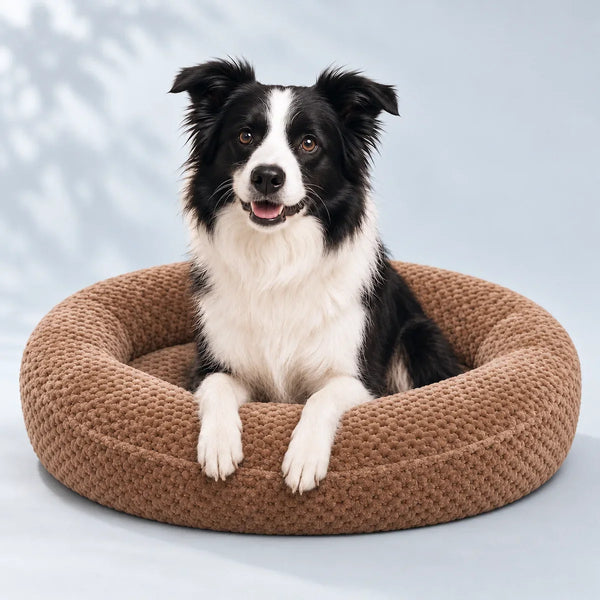
- A supportive bed that is easy to enter and exit
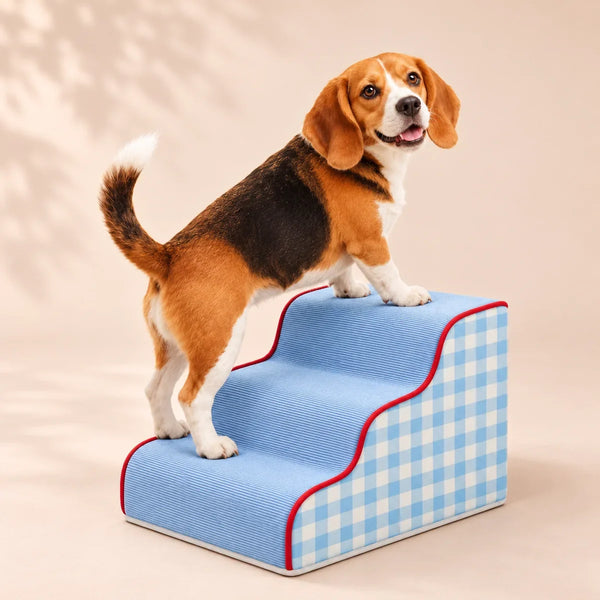
- A ramp when stairs or vehicle access are unsafe
- Raised or appropriately positioned food and water only if your veterinarian recommends it
- Short nails and well-maintained paw hair for better traction
- Warm, dry resting areas away from drafts
- A harness that helps you assist without pulling on the neck
- Fewer jumps onto furniture or into vehicles
Massage can feel soothing for some dogs, but it should be gentle and stopped if your dog tenses, turns away, vocalizes, or shows discomfort. Do not massage an acutely swollen, hot, injured, or painful area without veterinary guidance.
If a brace is part of a veterinarian-approved plan, introduce it gradually. The ProCare Canine Knee & Leg Brace is described as an adjustable support layer for short, supervised movement routines. Measure first, secure it without pinching, and check gait and skin after use. A brace should support a broader plan rather than replace diagnosis or rehabilitation.
For small or medium dogs needing supervised rear support, the JoyStride Dog Wheelchair requires careful attention to back height, body length, chest width, straps, rubbing points, balance, and gradual introduction. A mobility aid can create opportunities for safe movement, but fit and veterinary guidance matter.
For more help choosing between ramps, stairs, braces, and other home supports, review senior dog arthritis and stair guidance.
Frequently Asked Questions
Can an old dog rebuild lost muscle?
Some dogs can improve strength and function when the cause of decline is identified and addressed. Improvement may involve pain treatment, a suitable diet, gradual activity, treatment of an underlying disease, or rehabilitation. The amount of recovery depends on the cause, severity, duration, age, and overall health.
What is the best food for senior dogs’ muscle maintenance?
The best food is a complete and balanced diet that provides appropriate calories, digestible nutrients, and adequate protein for the individual dog. There is no single senior-dog formula or protein percentage that fits every dog. A visibly thin dog, a dog with kidney disease, and an overweight dog with arthritis may need very different plans.
Are high-protein foods safe for all senior dogs?
No. Protein needs and tolerance depend on the dog’s health, diagnosis, food formulation, and overall nutrient balance. A healthy senior dog may benefit from adequate protein quality and quantity, while another dog may require a disease-specific diet. Discuss a major protein change with your veterinarian.
What are natural remedies for dog muscle loss?
There is no verified natural remedy that reliably rebuilds muscle across senior dogs. Gentle activity, suitable nutrition, comfortable flooring, rest, and treatment of pain can support the conditions needed for maintaining function. Herbs and supplements should be reviewed individually because “natural” does not guarantee effectiveness, safety, or compatibility with medication.
How long does muscle recovery take after illness?
Recovery varies widely. Some dogs show better willingness to move after pain or illness is treated, while rebuilding measurable strength can take longer. Track small functional changes over time and increase activity gradually. A decline, plateau, or new symptom should prompt a veterinary review rather than a sudden increase in exercise.
Your next steps for protecting senior dog strength
Start with observation. Photograph your dog from the side and rear, record a short walk, note appetite and weight changes, and write down which tasks have become difficult. Bring those observations to your veterinarian.
Then build the plan around three priorities:
- Find the reason for the muscle loss. Progressive weakness, marked wasting, pain, appetite changes, or neurologic signs deserve evaluation.
- Review nutrition as a complete system. Focus on adequate protein, appropriate calories, nutrient balance, and the dog’s diagnosed conditions.
- Use gentle, repeatable activity. Keep movement low-impact, improve traction, allow recovery, and progress only when your dog remains comfortable.
Aging changes the pace of life, but it does not remove your ability to help. Small improvements in food access, flooring, pain recognition, daily movement, and recovery can make ordinary activities easier and give you a clearer view of your dog’s quality of life.
For a broader home-care plan, read Caring for Your Senior Dog: Essential Tips and Insights and use a senior dog wellness checklist during your next veterinary conversation.
