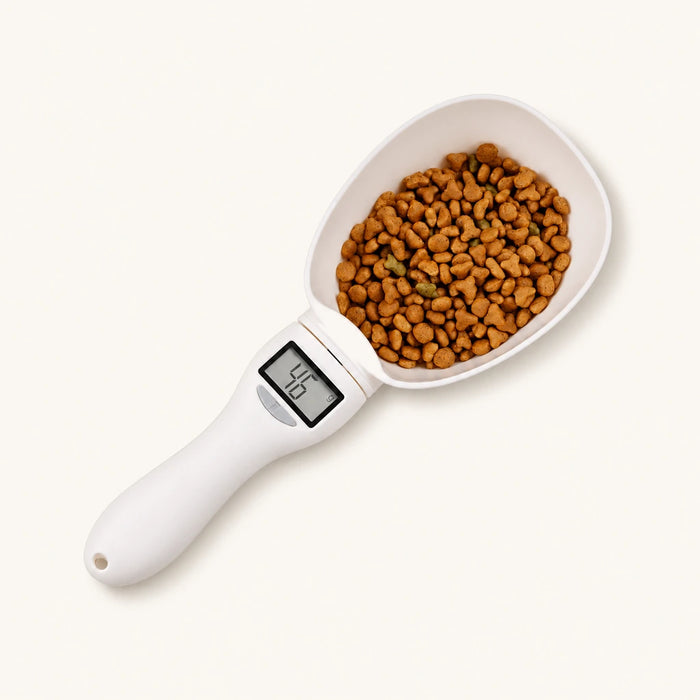









A product that suits one pet may be unsuitable for another, even when both animals live in the same home. The safest way to choose wellness products for a multi-pet household is to begin with a separate profile for every pet, then compare the product against each animal’s species, life stage, body weight, health context, current diet, and possible access to the product.
A shared routine can be convenient, but convenience should come after suitability. Before buying, define what the product is meant to do, read the complete label, confirm the intended species and life stage, review serving instructions, and create a storage and administration plan. If a pet has a medical condition, takes medication, follows a therapeutic diet, or may have ingested an unknown amount, general guidance cannot determine the right choice; involve a veterinarian or animal poison professional.
Why should every pet have an individual product profile?
Every pet should have an individual profile because species, life stage, body weight, health status, diet, medications, and behavior can change whether a product is appropriate. A household is a shared environment, but it is not a single biological patient.
Start with one short record for each animal:
| Information to record | Why it affects the decision |
|---|---|
| Species | Dogs, cats, birds, rabbits, reptiles, and other animals may have different nutritional and safety requirements. |
| Age and life stage | Puppies, kittens, growing animals, adults, seniors, pregnant animals, and nursing animals may have different needs. |
| Body weight | Serving directions may depend on weight or size. |
| Current diet | A complete diet may already provide some or all of a nutrient contained in a supplement. |
| Medical conditions | Kidney, liver, digestive, endocrine, urinary, allergy, or other health conditions can change the risk assessment. |
| Medications and supplements | Ingredients may overlap or interact with current treatments. |
| Wellness goal | A product chosen for grooming, mobility, digestion, skin, behavior, or general nutrition should be assessed against a specific purpose. |
| Food motivation and behavior | A treat-loving dog, a counter-surfing cat, or a pet that chews packaging creates different access risks. |
| Normal feeding location | Shared bowls, free feeding, and multi-pet treat routines can make accidental consumption more likely. |

This record is a practical screening framework, not a clinically validated scoring system. Its purpose is to stop a common household mistake: selecting a product for the pet whose needs are most familiar and then assuming the same decision applies to everyone else.
The AAFCO guidance on selecting the right pet food emphasizes intended species, life stage, condition, and feeding guidance. AAFCO’s supplement guidance also advises owners to consider the nutrients already supplied by the diet and consult a veterinarian before introducing supplements. Those points support a broader household habit: record the individual animal first, then assess the product.
What should you gather before comparing products?
Gather the information that a label or veterinarian would need to interpret the product responsibly. At minimum, write down:
- Species and breed or type, when relevant.
- Approximate age and life stage.
- Current body weight, using a recent measurement where possible.
- Current food, treats, supplements, and feeding pattern.
- Prescription and non-prescription medications.
- Diagnosed conditions, allergies, sensitivities, or recent symptoms.
- Whether the pet is pregnant, nursing, growing, underweight, overweight, or on a therapeutic diet.
- Whether another pet could reach the product.
- The intended outcome and how you will judge whether the product is helping or causing a problem.
The last point matters more than it may appear. “General wellness” is too broad to guide a good comparison. A clearer goal might be “a grooming tool for short, calm brushing sessions” or “a supplement recommended by the veterinarian for a documented nutritional need.” A specific goal makes it easier to reject products that rely on broad promises.
Define the wellness goal before comparing products
Choose the purpose first, then compare products that are actually intended for that purpose. A product should earn consideration by answering a real household need, rather than by making a long list of attractive claims.
Common product categories include:
- Nutritional supplements: powders, liquids, chews, capsules, oils, vitamins, minerals, or other ingestible products.
- Grooming products: wipes, brushes, bathing products, skin products, or tools used on the body.
- Behavior and enrichment products: toys, calming aids, training treats, or environmental tools.
- Mobility and comfort products: items intended to support movement, handling, or routine care.
- Household exposure products: cleaners, sprays, diffusers, and other items that may affect pets through contact, inhalation, licking, or ingestion.
The safety questions differ across these categories. For an ingestible product, you need ingredient amounts, serving directions, species suitability, and a plan for preventing one pet from receiving another pet’s serving. For a wipe, you also need to consider the body area, whether licking is expected, fragrance disclosure, preservatives, and whether the product is intended for that species. Before choosing a wipe, compare pet-specific wipe safety information alongside the product label.
Our practical rule is simple: one goal, one product purpose, one review for each pet.
Is a supplement necessary for every healthy pet?
No. A healthy dog or cat eating a complete and balanced diet suitable for its life stage may not need an added nutritional supplement. AAFCO also warns that unnecessary supplementation can push some nutrients above safe upper limits, including nutrients such as selenium and vitamin D. See the AAFCO supplement guidance for that distinction.
That does not mean supplements are never useful. A veterinarian may recommend one for a diagnosed deficiency, a therapeutic plan, a restricted diet, or another individual reason. The point is to avoid treating “more nutrition” as automatically better.
Before adding an ingestible product, ask:
- What specific need is this product intended to address?
- Is that need documented, suspected, or based only on marketing?
- Does the pet’s current diet already provide the same nutrient?
- Would the product add another ingredient already present in food, treats, or a second supplement?
- How will the serving be controlled if several pets share the same space?
- What would make you stop and contact a veterinarian?
For non-ingestible products, define the goal in equally concrete terms. “Daily coat care” is more useful than “better skin.” “Short grooming sessions for a pet that tolerates touch” gives you a safer basis for selecting a tool than “bonding support” alone.
Which label fields should you check first?
Check the label in a fixed order: product identity, intended species, life stage or condition, ingredients, directions, warnings, manufacturer information, and storage requirements. If important details are missing, difficult to locate, or inconsistent across the product page and package, pause the purchase.
U.S. Food and Drug Administration guidance identifies core animal food label information such as product identity, net quantity, manufacturer or distributor details, ingredients, and information needed for safe and effective use. The FDA’s animal food labeling guidance also explains why disease treatment claims receive closer regulatory attention.

Confirm what the product is
Identify whether the item is a complete food, treat, supplement, grooming product, tool, medication, or household product. The word “wellness” can cover very different exposure routes.
A powder added to food, a chew, a topical wipe, and a massage tool should not be reviewed with the same checklist. The first question is always: How does this product come into contact with the pet?
Possible exposure routes include:
- Eating or licking.
- Skin contact.
- Contact with eyes, ears, mouth, or broken skin.
- Inhalation.
- Chewing or carrying.
- Contact with food bowls, bedding, or shared surfaces.
The route affects which ingredients, warnings, and supervision requirements matter most.
Confirm the intended species
Look for an explicit species statement. “For pets” is less useful than “for dogs,” “for cats,” or a clear multi-species statement with directions for each species.
The FDA overview of animal foods and feeds explains that products marketed as animal supplements may fall under different regulatory categories depending on their intended use and claims. That is one reason a broad product category should not be treated as proof of suitability.
Check life stage and condition
Look for wording such as growth, adult maintenance, senior, gestation, lactation, or all life stages. Then read the directions carefully. A life-stage statement describes the label’s intended category; it does not prove that one serving amount works for every animal in that category.
AAFCO identifies recognized dog and cat life-stage categories such as growth, maintenance, gestation or lactation, and all life stages. Different life stages can require different nutrient quantities, ratios, and feeding rates.
Treat condition claims with care. A label that says “supports healthy joints” makes a different type of claim from one that says it treats arthritis. A claim to cure, treat, prevent, or mitigate disease can raise regulatory questions in the United States. More broadly, disease-like wording should prompt you to ask whether the product is being presented as a substitute for veterinary care.
Read the complete ingredient list
Read the ingredient list rather than relying on the front of the package. “Natural,” “plant-based,” “clean,” “non-toxic,” and “vet recommended” may sound reassuring, but they do not tell you enough about species fit, dose, exposure route, or the complete formulation.
Look for:
- Active ingredients and their amounts.
- Inactive ingredients, carriers, preservatives, flavorings, and sweeteners.
- Vitamins and minerals already present in the pet’s food.
- Ingredients that may be risky for a particular species or health condition.
- Essential oils, stimulants, concentrated botanicals, or ingredients with limited species-specific information.
- Ingredients that another pet in the home might consume accidentally.
- Lot, batch, expiry, or freshness information where relevant.
Merck Veterinary Manual guidance on animal toxicoses from human vitamins and supplements highlights why both active and inactive ingredients matter. It discusses toxicology concerns associated with ingredients such as stimulants, xylitol, garlic, yohimbine, iron, and vitamin D. The Merck Veterinary Manual supplement toxicosis reference provides the broader veterinary context.
Read directions and warnings before buying
A usable label should tell you how much to give or apply, how often, for which species, and under what conditions. It should also explain warnings, storage, and what to do if exposure occurs.
For a supplement, check whether the serving is based on:
- Body weight.
- Age or life stage.
- Species.
- A range such as small, medium, or large animal.
- Daily or occasional use.
- A scoop, capsule, chew, drop, milliliter, or another unit.
- A maximum daily amount.
For a topical product, check:
- Whether it is for external use only.
- Which body areas are appropriate.
- Whether it should be kept away from eyes, mouth, nose, or open wounds.
- Whether licking is expected or should be prevented.
- Whether the product must be rinsed or removed.
- Whether it is intended for dogs, cats, or another species.
The pet product label claims guide can help you compare terms such as pet-safe, non-toxic, natural, fragrance-free, and vet-recommended by looking at the complete formulation, directions, warnings, and intended exposure route.
Check who made the product and whether the information is consistent
A clear manufacturer or distributor identity gives you a practical way to ask questions, report a problem, and locate updated instructions. Compare the information on the package with the current product page. Differences in species, serving, ingredients, or warnings deserve clarification before use.
A transparent label is valuable for screening, but it does not guarantee clinical effectiveness or prove that the measured contents match every marketing statement. In a 2011 study of 25 commercial veterinary probiotic products obtained in Ontario and online, measured contents and label quality varied. The study was limited to probiotics, used products available at that time, and did not establish the quality of all pet supplements. Its practical lesson is narrower: clear product information is necessary, but it is not the same as proof that a product will work for your pet. The published study of commercial veterinary probiotic labels describes those findings and limits.
Can dogs and cats use the same wellness product?
Dogs and cats should not share a wellness product unless the product is explicitly labeled for both species and its ingredients, directions, and warnings fit each animal. Living in the same household does not establish cross-species suitability.
Dogs and cats have different nutrient requirements. A product formulated or labeled for one species should be treated as species-specific unless the label clearly says otherwise. Even when a product does cover multiple species, each animal still needs an individual review of life stage, body weight, health status, and serving instructions.

| Product situation | Practical decision |
|---|---|
| The label names only dogs | Do not give it to a cat without veterinary direction. |
| The label names only cats | Do not give it to a dog without veterinary direction. |
| The label says “pets” but does not identify species | Treat the label as incomplete for a cross-species decision. |
| The label names dogs and cats | Review the separate directions, ingredients, warnings, and serving ranges for each species. |
| A veterinarian prescribed or recommended it for one pet | Do not transfer that recommendation to another pet automatically. |
| A grooming tool is labeled for dogs and cats | Follow the use instructions and supervise each pet’s response individually. |
The same boundary applies to products that seem harmless because they are familiar foods, oils, herbs, vitamins, or grooming materials. Familiarity is not a substitute for a species-specific label.
For a non-ingestible example, a tool such as the AuraPet Gentle Scalp Massager is described for dogs and cats that already tolerate gentle touch. The product guidance calls for short, low-pressure sessions, attention to body language, cleaning of the contact area, and allowing the pet to move away. Those use conditions still need to be applied pet by pet. A dog that enjoys touch and a cat that resists handling should not be managed as though they have the same tolerance.
What if the product is labeled for multiple species?
Read the species-specific directions rather than stopping at the shared product name. Confirm:
- Whether both species are named in the current label.
- Whether serving amounts differ by species.
- Whether life-stage restrictions differ.
- Whether any ingredient has species-specific warnings.
- Whether the product is intended for ingestion, topical use, or another exposure route.
- Whether the product is suitable for the individual pet’s health context.
- Whether one pet can access another pet’s serving.
A multi-species label answers only one part of the decision. It does not establish that every dog and cat can use the same amount, frequency, or administration method.
How do age, life stage, and body weight affect product choice?
Age, life stage, and body weight affect product choice because they influence nutrient needs, serving instructions, tolerance, and the consequences of over- or under-application. A product suitable for an adult animal may require different guidance for a growing, pregnant, nursing, or senior pet.
Life stage changes the comparison
A puppy or kitten is still developing. A senior pet may have health factors or a diet that change the value of additional nutrients. A pregnant or nursing animal has different nutritional demands. An “all life stages” statement does not mean that one serving is appropriate for every animal.
Use the label’s life-stage wording as a screening field, then consider the individual animal. If the product is intended to support a medical issue, pregnancy, recovery, or a therapeutic diet, veterinary input is the safer next step.
Body weight changes serving interpretation
Serving instructions should be read as product-specific directions tied to body weight, life stage, and time or frequency. Do not copy the serving from one pet to another, average servings across pets, or assume that a larger pet can simply receive a multiple of a smaller pet’s amount unless the label provides that method.

| Pet | Weight | Product serving range | Frequency | Actual amount given | Person responsible |
|---|---|---|---|---|---|
| Dog A | ___ | ___ | ___ | ___ | ___ |
| Cat B | ___ | ___ | ___ | ___ | ___ |
| Dog C | ___ | ___ | ___ | ___ | ___ |
The chart is especially useful when several people care for the animals. It reduces double serving, missed serving, and the assumption that someone else already administered the product.
For food-label reading beyond supplements, the practical pet food label guide explains how to review intended species and life stage, nutritional adequacy information, guaranteed analysis, moisture, ingredients, calories, and feeding directions.
What does “supplemental feeding only” mean?
It means the product is not intended to provide the complete nutrition an animal needs as its sole food. A treat, chew, powder, topper, or other supplement may add nutrients or calories without replacing a complete diet.
This statement is useful because it helps you understand the product’s role. It does not prove that the product is needed, effective, or suitable for every pet. It also does not remove the need to review serving amounts and ingredient overlap.
How should you compare product claims and evidence?
Compare specific information and verifiable instructions before comparing attractive claims. A product with fewer promises but clearer species, ingredient, serving, warning, and manufacturer information may be easier to evaluate responsibly.
A useful comparison table has these columns:
| Comparison field | Product A | Product B | Product C |
|---|---|---|---|
| Intended species | ___ | ___ | ___ |
| Life stage or condition | ___ | ___ | ___ |
| Exposure route | ___ | ___ | ___ |
| Complete ingredient list available | Yes / No | Yes / No | Yes / No |
| Amount per serving or application | ___ | ___ | ___ |
| Frequency | ___ | ___ | ___ |
| Warnings and contraindications | ___ | ___ | ___ |
| Manufacturer or distributor identified | Yes / No | Yes / No | Yes / No |
| Storage instructions | ___ | ___ | ___ |
| Fits Pet 1 | Yes / No / Ask | Yes / No / Ask | Yes / No / Ask |
| Fits Pet 2 | Yes / No / Ask | Yes / No / Ask | Yes / No / Ask |
| Access plan | ___ | ___ | ___ |
Treat “natural” as a description, not a safety conclusion
Natural describes a source or marketing position. It does not answer whether an ingredient is appropriate for a particular species, whether the concentration is suitable, or whether accidental ingestion is safe.
The same applies to “organic,” “non-toxic,” “hypoallergenic,” “clean,” and “holistic.” These terms may have different meanings depending on the product category and market. Review the complete formulation, intended use, exposure route, warnings, and supporting documentation.
The guide to natural, organic, and related pet product claims offers a useful way to compare the wording with the actual product information.
Be cautious with disease and outcome claims
A product that promises to support a routine wellness goal should be assessed differently from one that claims to treat or prevent disease. Marketing language that sounds like a diagnosis or treatment can encourage owners to delay veterinary care.
Ask:
- Is the claim about general support or treatment of a named disease?
- Is the product supported by information relevant to this species and condition?
- Is the evidence about the exact product or only a general ingredient?
- Does the product label explain limits and appropriate use?
- Would the pet benefit from an examination before trying it?
Do not use a supplement to replace prescribed treatment, a therapeutic diet, or an examination. If a pet’s symptoms are new, worsening, persistent, or unusual, the product comparison should pause while the health concern is addressed.
How can you prevent one pet from consuming another pet’s product?
Prevent cross-consumption through separate storage, supervised administration, clear labeling, and a routine that matches the animals’ behavior. Multi-pet households need an access plan as much as they need a product plan.

- Store products where every pet in the home cannot reach them.
- Keep dog products separate from cat products when the species directions differ.
- Use the original package or a clearly labeled container.
- Avoid leaving chews, powders, capsules, wipes, or tools on counters if a pet can climb or reach them.
- Give supplements separately when pets eat quickly, guard food, or switch bowls.
- Close containers immediately after use.
- Record who administered the product and when.
- Keep product packaging available until the product is finished.
- Recheck storage after moving furniture, changing feeding locations, or bringing home a new pet.
- Teach every household member which products belong to which animal.
A child-resistant container is not automatically pet-proof. A determined dog may chew through it, a cat may knock it down, and a small animal may reach a product stored near its enclosure. Assess the actual behavior and physical access of each pet.
The room-by-room non-toxic pet home checklist can help you review storage and exposure points across feeding areas, bathrooms, bedrooms, kitchens, and shared living spaces.
What should you do after possible accidental ingestion?
If a pet may have ingested a wellness product, prevent further access, check every pet in the home, gather the package, and contact a veterinarian or animal poison service promptly. Do not wait for symptoms before seeking advice when the product or amount is uncertain.
The ASPCA Animal Poison Control guidance advises preventing further exposure, collecting packaging or remaining pills, and checking all pets in a multi-pet home. It also explains that some effects may be delayed. Immediate veterinary care is appropriate for severe signs such as unconsciousness, breathing difficulty, bleeding, or seizures.
Have these details ready:
- Pet species, age, weight, and known health conditions.
- Product name and complete ingredient list.
- Estimated amount consumed.
- Approximate time of exposure.
- Whether the product was swallowed, chewed, licked, or applied.
- Any symptoms and when they began.
- Other products or medications the pet may have accessed.
Do not induce vomiting, give food, or administer another product unless a veterinary professional directs you to do so.
Vitamin D illustrates why the amount and ingredient matter. Merck reports that clinical signs of vitamin D toxicosis in dogs have been reported at doses as low as 0.5 mg per kilogram, while a reported oral LD50 for cholecalciferol in dogs is 88 mg per kilogram. These figures describe different toxicology concepts and are not a safe dosing range. They should not be used to calculate an emergency response.
A 2026 published case report described a four-year-old cat that developed vomiting, ionized hypercalcemia, and azotemia four days after exposure to vitamin D supplements. The report describes one cat and cannot predict the outcome of every exposure, but it shows why delayed symptoms and product-specific advice matter. The PubMed case report on acute vitamin D toxicosis in a cat provides the case details and its limits.
When should a veterinarian review the product choice?
Veterinary input is especially appropriate when a pet has a medical condition, takes medication, follows a therapeutic diet, is pregnant or nursing, is very young or frail, has unexplained symptoms, or may have consumed an unknown amount.

Ask a veterinarian before introducing an ingestible product when:
- The pet has kidney, liver, digestive, urinary, endocrine, seizure, heart, or other chronic disease.
- The pet takes prescription medication.
- The pet already receives one or more supplements.
- The product contains concentrated vitamins, minerals, botanicals, stimulants, or essential oils.
- The product claims to treat, prevent, or manage a disease.
- The pet is pregnant, nursing, growing, recovering from illness, or under medical care.
- The pet has a history of food reactions or ingredient sensitivity.
- The label does not identify species, serving, or warnings clearly.
- You cannot determine what the pet consumed.
The decision is also worth discussing when the product seems ordinary. A pet can appear healthy while still having a diet, medication, or condition that changes the suitability of an added ingredient. A veterinarian can help determine whether the product addresses a real need, overlaps with the current diet, or introduces an avoidable risk.
Can a healthy pet use a product without veterinary advice?
Sometimes a healthy pet can use a clearly labeled routine product without an appointment, but the answer depends on the product and the animal. A simple grooming tool used according to its directions presents a different decision from an ingestible supplement with concentrated ingredients.
Use a lower threshold for professional advice when the label is unclear, the product is intended to affect a medical condition, or several risk factors overlap. The goal is to direct professional attention to the choices where individual context matters most.
Multi-pet supplement safety checklist
Use this checklist for each pet and each product. A “no” answer does not always mean the product is unsafe, but it does mean the decision needs more information before purchase or use.
Pet profile
Product fit
Household control
Veterinary review
Frequently Asked Questions
Should every pet in a household use the same wellness product?
No. A shared product may be appropriate only when the label explicitly covers each species and the directions fit each pet’s life stage, body weight, health context, and exposure route. Even then, one pet may need a different serving, closer supervision, or no product at all.
How do species, age, and weight affect product safety?
Species affects ingredient suitability and nutrient requirements. Age and life stage can change nutritional needs and restrictions. Body weight often affects serving guidance. These factors must be checked together because a product labeled for a species may still be unsuitable for a particular life stage, condition, or serving situation.
Is a natural pet wellness product automatically safe?
No. “Natural” describes a product claim or ingredient source; it does not prove that the formulation is suitable for every species or safe at every amount. Read the complete ingredient list, directions, warnings, and intended use.
What should I do if my dog eats a cat supplement?
Prevent further access, check the other pets, keep the package, estimate the amount and time, and contact a veterinarian or animal poison service promptly. Do not assume that a small amount is harmless or that the dog’s lack of immediate symptoms settles the question.
When should I stop comparing products and call a veterinarian?
Call when the pet has a medical condition, takes medication, follows a therapeutic diet, is pregnant or nursing, is very young or frail, has unexplained symptoms, or may have ingested an uncertain amount. Also seek advice when the product makes disease treatment claims or the label does not provide clear species and serving information.
Make the decision pet by pet
Safe wellness products for multi-pet households begin with individual information. Record each pet’s species, life stage, body weight, diet, health context, medications, and specific goal. Then review the product’s exposure route, species statement, life-stage guidance, ingredients, serving instructions, warnings, manufacturer information, and storage requirements.
Proceed only when the product’s intended use and instructions are clear for the particular pet, and when you have a realistic plan to prevent another animal from accessing it. If the choice involves medication, chronic illness, a therapeutic diet, unclear labeling, or possible ingestion, veterinary guidance is the appropriate next step.
For broader brand context, you can review Viva Essence’s product-selection principles and then verify the individual product details that matter for your household. The safest choice is the one you can explain clearly: this product, for this pet, for this purpose, at this labeled amount, stored and administered in this way.