




Quick answer: A good dog water park visit starts before you leave home. Check the venue's current rules, confirm your dog is well enough to go, pack fresh drinking water and familiar gear, and arrive with time to watch before joining the activity. Let your dog enter at their own pace, stay close, take frequent rest and water breaks, and leave while the experience is still going well. At home, rinse and dry your dog, clean the gear, and watch for any delayed problems.
This guide is for the day of a planned visit to a public or commercial dog water park. It focuses on what to do before, during, and after the outing so you can manage the details without rushing. If you are still deciding whether a water park suits your dog at all, start with our guide on whether a dog water park is right for your dog, which covers temperament, health fit, and how to judge a venue's water.
Before leaving: check health, weather, and park rules
Look at the venue's official page or call on the day of your visit. Confirm its vaccination and age requirements, leash rules, reservation or capacity policy, permitted toys and food, water access, and any weather or maintenance closure. Requirements vary, and a rule you remember from an earlier visit may no longer apply.
Do a quick health check at home. Postpone the outing if your dog has vomiting, diarrhea, coughing, unusual tiredness, a new limp, an open wound, or another sign of illness. The CDC's guidance for dog owners recommends routine veterinary care, parasite prevention, and vaccinations based on a dog's lifestyle and contact with other animals. If you are unsure whether your dog's health or preventive care is appropriate for a shared-water setting, ask your veterinarian before the visit.
Check the hourly forecast, not just the day's high. Hot, humid conditions can make a short outing harder than expected. If the forecast is marginal, choose a cooler time or postpone. Our hot-weather guide for dogs covers additional planning for warm days.
Finally, check that your dog's ID tag is readable and your contact details are current. Use a secure, well-fitted collar or harness for the trip and for any transition area where a leash is required.
At the gate: records and questions for the venue
Entry checks differ from one venue to the next, so have these ready.
- Vaccination records. Many venues ask for proof of current vaccines, and the list varies. Your veterinarian can advise what suits your dog.
- Who can come in. Ask whether puppies, dogs in season, or unneutered dogs are restricted.
- Water treatment. Ask how it is treated and whether chemicals were added recently. The Cornell Riney Canine Health Center warns that very high chlorine from pool shock can irritate skin and airways, and that some dogs have collapsed after swimming in a recently chlorinated pool.
- Equipment. Ask about leash type, toys, and whether life jackets are required or lent.

What to pack for a dog water park
Pack for drinking, drying, cleanup, and an early exit. A simple kit is easier to manage than a crowded bag.
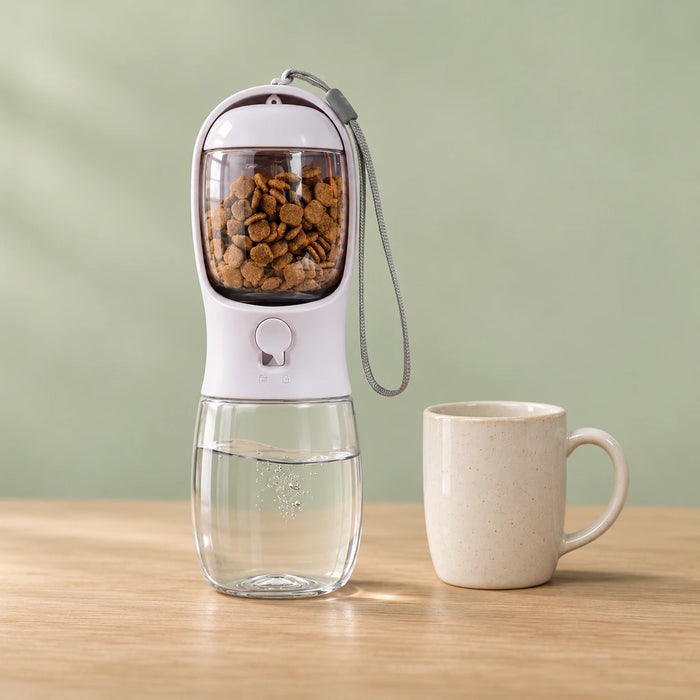
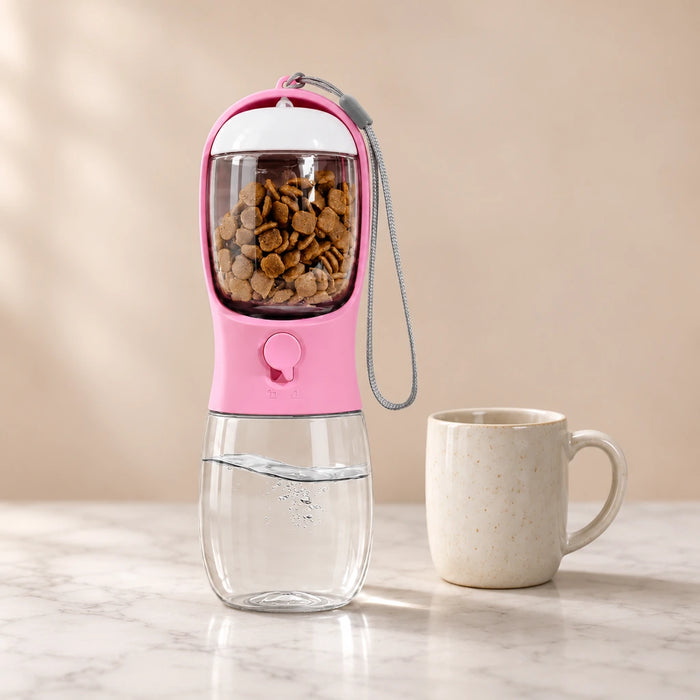
- Fresh drinking water and a clean container: Bring more than you expect to use. A clean bowl works well, while an Aqua-Feast travel water bottle can make individual water breaks easier.
- Leash, collar or harness, and ID: Keep the leash ready for entrances, exits, parking areas, and any moment when the venue requires it.
- Waste bags: Pick up promptly, even if the venue provides bags.
- Two towels: Use one for your dog and keep one dry for the car or carrier.
- A familiar rest mat: A washable, non-slip mat can give your dog a clear place to pause away from the water.
- Cleanup supplies: Pack plain fresh water for rinsing when on-site rinse stations are unavailable, plus a waterproof bag for wet gear.
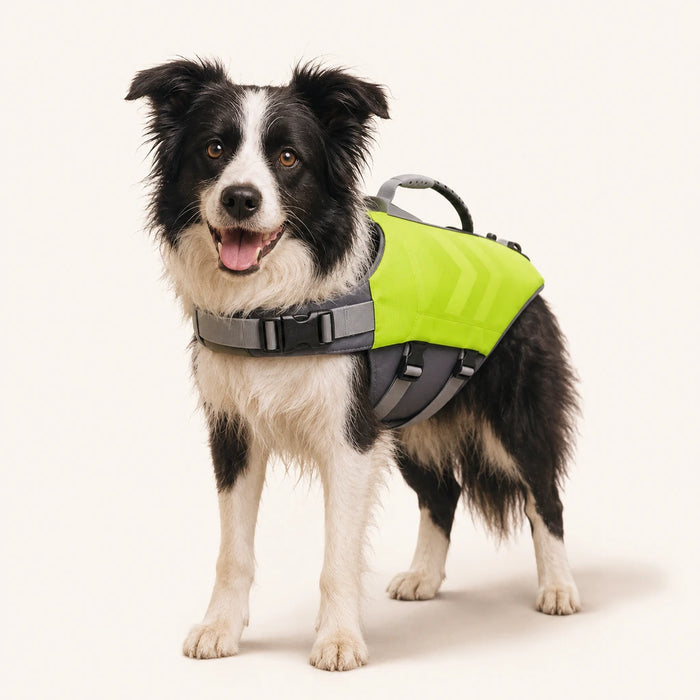
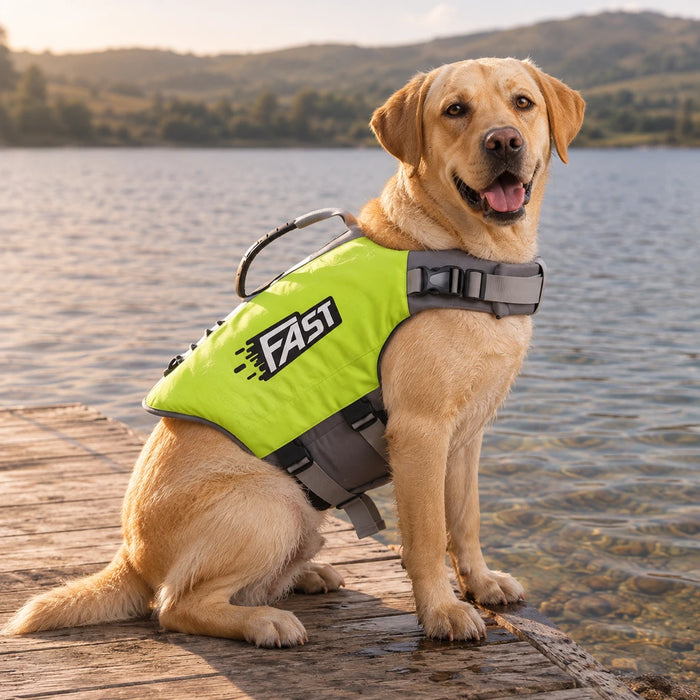
- Optional flotation gear: If the venue has deeper water or your plan includes swimming, bring a properly fitted dog life jacket with a rescue handle. Adjust it at home first. Flotation gear does not replace close supervision.
Skip food and high-value toys if the venue prohibits them or if they could create tension around other dogs. Do not rely on communal bowls as your dog's only drinking source.
Arrive, pause, and observe
Do not move straight from the car into the busiest pool. Give your dog a bathroom break, then pause outside the main activity area. Watch the gates, crowd level, water depth, footing, shaded rest areas, and how the dogs already inside are interacting. For a first visit, ask when the venue is quietest. This is also the time to find the fastest route back to your car if you need to leave.
Read every posted notice. If natural water is part of the venue, look for foam, scum, mats, unusual color, or a bad smell. The US Environmental Protection Agency advises keeping dogs out of water that may contain a harmful algal bloom, and notes that some harmful algae have no odor. A closure sign or suspicious water is a reason to stop the visit, not something to test.
Also watch your dog. A loose, wiggly body and soft facial expression suggest comfort. Freezing, a stiff posture, a hard stare, repeated looking away, hiding behind you, or frantic pulling can signal discomfort. The American Veterinary Society of Animal Behavior's body-language guide explains why subtle changes matter before a growl, snap, or bite. If your dog looks overwhelmed, move farther away or leave.

Let your dog enter the water gradually
- Start away from the rush. Choose a quieter edge or shallow area if one is available.
- Keep the first approach brief. Let your dog sniff, watch, and step closer without pulling them toward the water.
- Offer a choice. Allow paws-in play before deeper entry. Never push, drop, or throw a dog into water.
- Stay close. Keep your attention on your dog rather than your phone or other visitors. Be ready to guide them to an exit.
- Build slowly. A few calm minutes followed by a break is more useful than trying to make the first visit long.
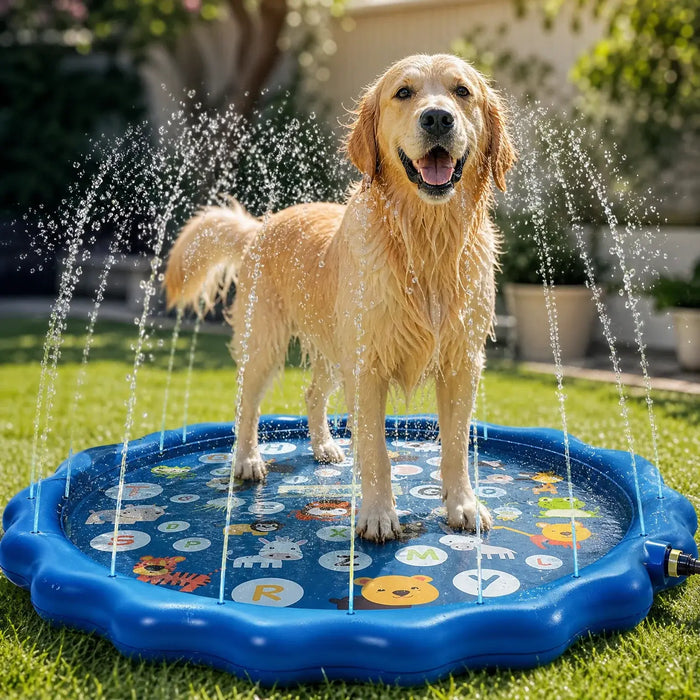
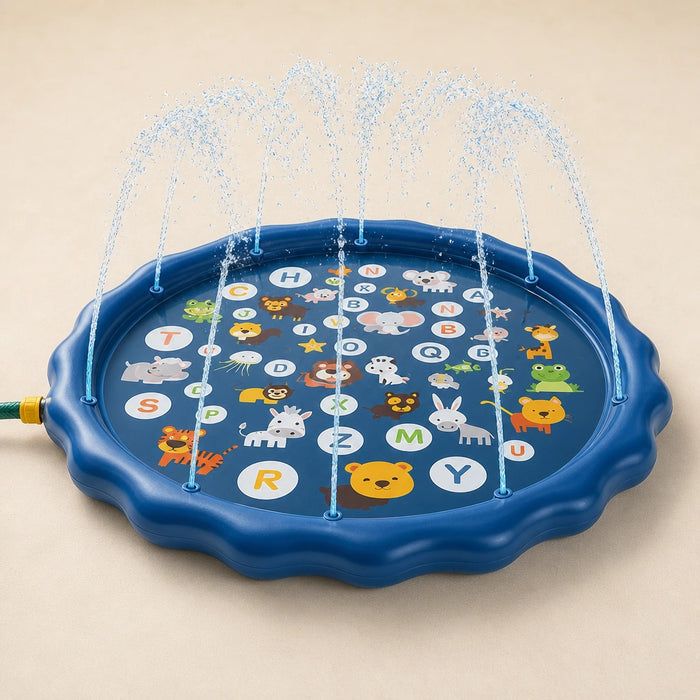
Not every dog needs to swim to have a worthwhile visit. Wading, walking through a shallow spray, or watching from a dry spot may be enough. If your dog repeatedly tries to leave, let them. Do not use treats or toys to lure a worried dog into deeper water. If you are not sure how your dog will react to moving water and wet footing, you can test it first at home with a hose-fed splash mat such as the AquaPaw dog splash pad. Let your dog sniff the dry mat first, then add a low spray.
When other dogs approach, look at both animals rather than assuming splashing is friendly. Interrupt chasing that becomes one-sided, prevent crowding at ramps and exits, and follow staff instructions promptly. If a toy causes guarding or competition, remove your dog from that situation.
Does your dog need a life jacket at a dog water park?
Rules differ by venue: a vest may be required in deeper water, lent, or only recommended. Ask before you go, and decide for your own dog even when nothing is required.
Not all dogs swim well. Texas A&M's veterinary college calls that a common misconception about dogs and pools, describes flat-faced breeds such as bulldogs as notoriously poor swimmers, and names close supervision as the most important precaution.
| Your dog and the water | A sensible approach |
|---|---|
| Shallow area where your dog can stand throughout | Follow the venue's rule and stay within reach. |
| Deeper water where your dog cannot touch bottom | Check the rules, use a well-fitted vest, and stay within arm's reach. |
| Flat-faced, older, or health-limited dog | Ask your veterinarian first. A vest adds support but does not replace supervision. |
If you do use a vest, test the fit on dry land. Fasten it, then have your dog walk, sit, lie down, and turn. It should stay centered and not restrict breathing or shoulder movement. A top handle is for steadying your dog near an edge, not for swinging or hauling.
Schedule fresh-water and rest breaks
Offer water from the clean supply you brought or from a designated potable source. Do not treat pool, splash-pad, fountain, lake, or pond water as drinking water. Dogs can swallow water while playing even when they are not deliberately drinking.
The Cornell Riney Canine Health Center recommends frequent half-hour breaks from water activity because swallowing too much water can be dangerous. Treat 30 minutes as an outer reminder, not a target. Pause sooner for a first visit, vigorous play, warm weather, heavy panting, repeated gulping, or any change in coordination or behavior.
Move to shade or a cooler area for each break. Offer a small opportunity to drink, check paws and skin for scrapes, and watch breathing and posture before deciding whether to return. A dog that settles slowly, avoids getting up, trembles, or keeps trying to leave is finished for the day.

Swallowed or inhaled water: what to watch for
Dogs that spend a long time in and out of the water, especially chasing balls, can swallow a lot of it. Cornell explains that too much water dilutes the body's electrolytes, which can lead to seizures and other neurological problems.
Pool water adds its own risk. Texas A&M notes that swallowing enough water from a typical chlorinated pool can irritate the stomach and intestines and may upset electrolyte balance.
A brief cough after a splash can happen. Keep watching if it continues, breathing looks hard, or your dog becomes unusually tired or stops eating. The Merck Veterinary Manual describes lung infection after inhaling foreign material and lists lethargy, poor appetite, a deep cough, labored breathing, and bluish gums among the signs.
Know when to end the visit
Leave before fatigue turns into a problem. Stop the activity for limping, repeated coughing, vomiting, diarrhea, a swollen-looking abdomen, unusual sleepiness, stumbling, confusion, or loss of coordination. Contact a veterinarian promptly if symptoms persist or are concerning.
Heat illness can escalate quickly. According to the Cornell Riney Canine Health Center's heatstroke guidance, warning signs include heavy panting, drooling, vomiting, diarrhea, weakness, confusion, seizures, and collapse. Heatstroke is an emergency. Stop activity, begin cooling with cool water, and seek veterinary care immediately.
If you suspect exposure to a harmful algal bloom, keep yourself safe, wear gloves, and rinse your dog with fresh water. The EPA advises immediate veterinary help for signs such as vomiting or diarrhea, weakness or staggering, drooling, breathing difficulty, or convulsions, and says these can appear anywhere from 15 minutes to several days after exposure.
What you see and what to do
| What you see | What to do |
|---|---|
| Slower than usual, tired, or a short limp | End the visit and rest in shade. Call your veterinarian if it continues. |
| Repeated gulping, a swollen-looking belly, vomiting, or stumbling | Stop water play and call a veterinarian promptly. |
| Cough that keeps going, hard or noisy breathing, or unusual tiredness | Call your veterinarian the same day. Go to an emergency clinic if breathing is labored or the gums look bluish. |
| Heavy panting that does not ease with rest, drooling, weakness, or confusion | Possible heat illness. Start cooling with cool water and get veterinary care right away. Seizure or collapse is an emergency. |
After the park: rinse, dry, clean, and monitor
Rinse your dog's coat and paws with fresh water after swimming or splash play, even if the water looked clean. Our guide to rinsing a dog after swimming without over-bathing covers the rinse in more detail. Dry the coat, skin folds, belly, armpits, the area under the harness, and between the toes. Check paw pads for cuts, irritation, or lodged debris.
Gently dry the outer ear. If your veterinarian has recommended an ear-cleaning routine for your dog, follow it after wet activities. The Cornell guide to cleaning a dog's ears notes that overcleaning can cause irritation and advises against alcohol or hydrogen peroxide. Stop if cleaning is painful, and contact your veterinarian for redness, odor, discharge, repeated head shaking, or scratching.
Wash the drinking container, towels, mat, leash, and flotation gear according to their care directions. Dispose of waste, empty standing water from the car kit, and let damp items dry completely before storing them.
Over the next day or two, watch for vomiting, diarrhea, coughing, unusual tiredness, poor appetite, skin irritation, ear discomfort, limping, or behavior that is not normal for your dog. Shared water and group spaces can expose dogs to germs. The CDC's Giardia guidance says dogs with diarrhea or dogs being treated for Giardia should avoid shared spaces such as dog parks. Call your veterinarian if symptoms develop, and mention the water-park visit and the type of water your dog encountered.
What to write down for your veterinarian
If something seems off, a few notes make the call more useful:
- How long your dog was in the water.
- The type of water (treated pool, spray area, or natural water).
- Whether your dog gulped or swallowed water, or went under unexpectedly.
- Each sign and roughly when it started.
- Any scuffles with other dogs, and your dog's vaccine and parasite-prevention dates.
Dog water park visit checklist
- Confirm today's rules, hours, weather, and closure notices.
- Postpone if your dog is ill, injured, or not acting normally.
- Have vaccination records ready and know the venue's rules on age, toys, and life jackets.
- Pack fresh drinking water, a clean container, leash, ID, waste bags, towels, and cleanup supplies.
- Pause on arrival and watch the water, footing, crowd, and your dog's body language.
- Begin at a quiet, shallow edge and never force water entry.
- Stay close and take frequent water and shade breaks.
- Leave at the first sign of distress, fatigue, conflict, or unsafe water.
- Rinse, dry, inspect, clean the gear, and monitor your dog afterward.
A successful visit does not have to be long or dramatic. If your dog can explore at a comfortable pace, take breaks, and come home without being pushed past their limits, you have handled the day well.