








AAFCO's October 13 update recommends that state feed programs align implementation of its revised feline calcium and phosphorus profiles with the existing Pet Food Label Modernization (PFLM) transition. The update sets no nationwide package-change date and gives families no instruction to switch foods.

What changed
AAFCO says its membership approved the revised feline profiles at its August 2026 Annual Meeting. The recommendations followed a scientific review process that began in 2023 and reached the Pet Food Committee in January 2025. In an October implementation update, AAFCO recommends that state feed programs use the existing PFLM enforcement-discretion period rather than establish a separate schedule for the calcium and phosphorus revisions.
The policy document says the revised profiles apply to both legacy and modernized labels. Manufacturers do not need to move to the newer label format early just to meet the profile changes. AAFCO also recommends that states not treat a formula change made solely to meet the revised profiles as a new product requiring a separate registration or fee. Each state retains authority over its registration rules.
Industry Lens: formula work and label work share a transition
AAFCO members approved the PFLM model regulations in 2023. The association's enforcement-discretion recommendation gives state programs a six-year period, measured from the availability of the printed 2024 Official Publication. Each state handles its own adoption and rulemaking. The FDA's pet-food overview describes labeling as a federal and state responsibility; many state requirements are based on AAFCO model language.
Manufacturers can plan formula review and lab verification separately from package timing. AAFCO's October position also names analytical methods and lab capacity, ingredient availability, supply chains and state registrations for continued review.
State timing can differ. The Washington State Department of Agriculture's current program page says its updated rules took effect in 2025 and legacy labels may remain through June 2030. A 2025 policy statement sets the delayed-enforcement date at July 1, 2030. Both dates apply to Washington, not the country as a whole.
Signal or noise?
AAFCO is asking states to handle the revised feline profiles within the broader label-transition process. Its guidance points to coordinated formulation and verification work while states manage their own implementation.
These records describe a state-level implementation framework. They do not report immediate recipe changes, one national package deadline, or a safety finding about food on shelves.
Pet Family Lens: a standards update is not a food-switch notice
The cited records describe an implementation update; they do not announce a recall or tell families to replace a food. AAFCO says the profile changes apply across both older and modernized label formats, so a new-looking package by itself does not show whether the formula changed. Check the product's intended species and life stage, and follow its feeding directions.
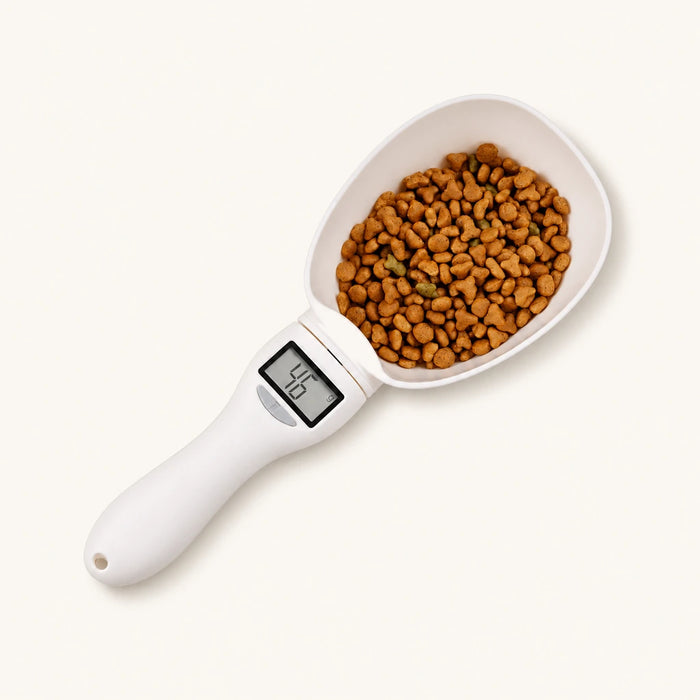
Our Pet Portion Control guide explains how to make an existing feeding routine easier to repeat. If a normal food change is part of a plan you have discussed with your veterinarian, the Feeding Transition Planner can help organize the change. The FDA directs individual pet-health and product-use questions to a veterinarian.
What we are watching
We will watch AAFCO's periodic review for its next notes on lab methods and capacity, ingredient availability, supply chains and registration issues. State adoption and enforcement notices will show how each jurisdiction puts the transition into practice.
Sources and limits
The sources are AAFCO policy and implementation guidance, the FDA's overview of U.S. pet-food labeling responsibilities, and one Washington State policy example. AAFCO recommendations are not federal rules, state decisions differ, and the Washington date does not apply across the country or in Canada. The sources address standards and enforcement timing; they do not establish a health outcome or change for any particular food. They do not assess a particular food's nutrient levels or an individual cat's dietary needs. The cover is a conceptual illustration; its fictional packages show no actual formula, label or state deadline.