

-

 Spara 41%
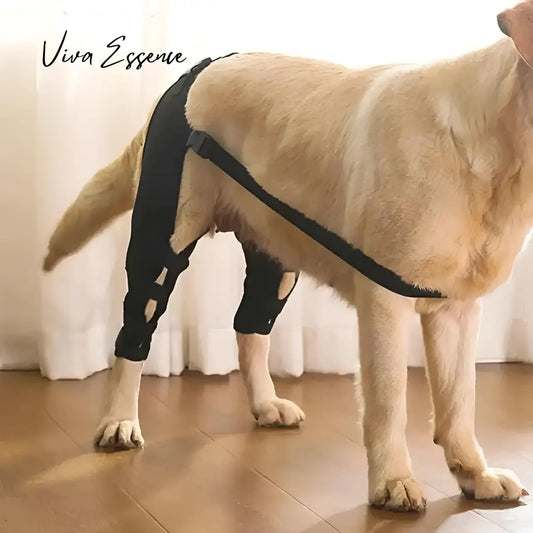
ProCare Hundknä- Och Benskena
Ordinarie pris Från $29.95Försäljningspris Från $29.95 Ordinarie prisEnhetspris per$50.95 -

 Spara 40%
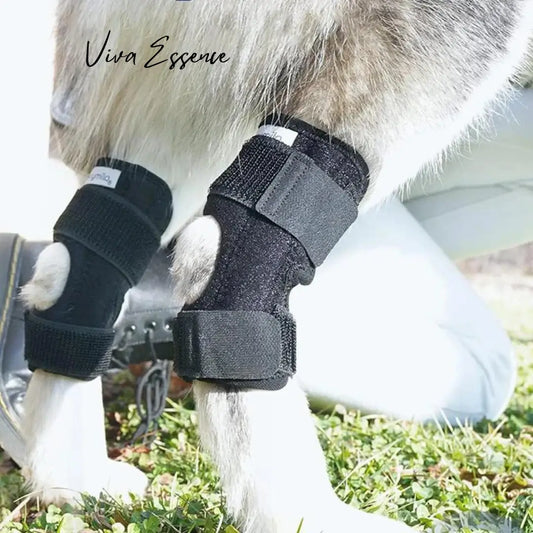
ProCare Hundhasbensortos För Ledstöd
Ordinarie pris Från $28.95Försäljningspris Från $28.95 Ordinarie prisEnhetspris per$48.95 -

 Spara 41%
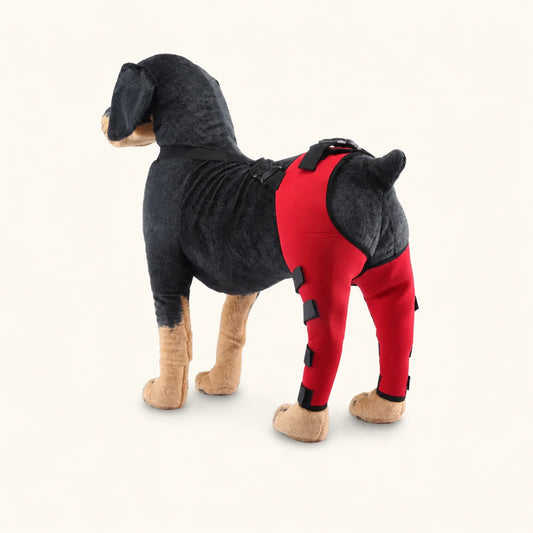
ProCare justerbart benstöd för hundar
Ordinarie pris Från $29.95Försäljningspris Från $29.95 Ordinarie prisEnhetspris per$50.95


Så väljer du rätt stöd
Börja med kroppsdel och rätt mått.
Utgå från var stödet ska sitta, storleksintervallet och hundens rörelser i vardagen för att begränsa alternativen innan ni provar det första gången under uppsikt.
-
Kroppsdel
Välj stöd för knä/ben, has eller fram- och bakben
-
Passform
Mät enligt den länkade storlekstabellen – gissa inte utifrån ras eller vikt
-
Vardagsrutin
Vänj hunden gradvis och kontrollera komfort, remmar, hud och rörelser
Jämför de tre stödtyperna
Det blir enklare att jämföra benstöd för hund när du först utgår från var stödet ska sitta. Här har vi samlat tre olika användningsområden: ett måttanpassat knä- och benstöd, ett stöd särskilt utformat för hasleden samt ett justerbart benstöd med reflexdetaljer för promenader under uppsikt.
| Typ av stöd | Börja här när du behöver | Synliga detaljer om passform och användning |
|---|---|---|
| Knä- och benstöd | Måttanpassat stöd runt knät eller för allmänt stöd av benet | XS–L; svart eller blått; justerbara remmar; kortare rörelse under uppsikt |
| Hasstöd | Stöd för hasområdet på bakbenet, inte för benet i allmänhet | S–L; säljs styckvis eller i par; mät placeringen och kontrollera hud, päls och punkter där stödet kan skava |
| Reflexförsett benstöd | Justerbart stöd för fram- eller bakben med reflexdetaljer för ökad synlighet | XS–L; svart, rött eller blått; reflexdetaljer; kortare promenader under uppsikt |
Mät innan du beställer
- Börja med att identifiera kroppsområdet: knä/ben, hasled på bakbenet eller fram- respektive bakben.
- Använd måttabellen för den specifika produkten i stället för att välja enbart utifrån hundens ras, ålder eller vikt. Guiden för passform för knäskydd till hund beskriver vilka mått du behöver ta.
- Kontrollera storleksintervallet och remmarnas placering samt om hasstödet behövs som ett enskilt stöd eller i par.
- Planera in en rörelsekontroll inomhus innan en längre promenad eller regelbunden användning.
Vänj hunden gradvis vid stödet
Börja med att prova stödet en kort stund i lugn och ro på en plats hunden känner igen. Se hur hunden går, sätter sig, vänder sig och kommer till ro. Kontrollera remmarna samt huden och pälsen runt kontaktytorna efter de första minuterna. Ta sedan av stödet om det skaver, glider ur läge eller tydligt orsakar obehag. En rutin för att vänja hunden vid ett stöd ger ett långsammare upplägg att börja med.
För att jämföra stöd utifrån kroppsområde kan du läsa guiden om hasled jämfört med knä- och benstöd. För en bredare översikt över hemmiljön kan du läsa Stöd för leder och rörlighet samt guiden till rörlighet för äldre husdjur.
Välj stödets utformning innan du väljer storlek
ProCare knä- och benstöd har justerbara omslutande remmar och finns i XS, S, M och L, i svart eller blått. Börja med produktens egen måttabell när du vill jämföra den här stödtypen. En rem kan finjustera passformen när storleken är rätt, men kan inte kompensera för fel storlek eller fel placering.
ProCare hasstöd är utformat för hasområdet på bakbenet och finns i S, M och L. Det säljs som ett enskilt stöd eller i par, så antal är ett separat val från storlek. Kontrollera vilket eller vilka ben den planerade användningen gäller, i stället för att utgå från att ett par alltid är det bästa köpet.
Det reflexförsedda ProCare benstödet kan användas på fram- eller bakben och är tillverkat i SBR med justerbara reflexremmar. I passformsguiden används mått A till D. Jämför dessa mått för det ben där stödet ska användas. Det finns i XS–L och i svart, rött eller blått. Reflexdetaljerna ökar synligheten, men är inte ett skäl att välja den här utformningen i stället för ett stöd särskilt utformat för hasleden.
Dokumentera måtten på ett användbart sätt
Skriv ner produktnamn, vilket ben stödet ska användas på, mätpunkter, mått och enheter tillsammans. Placera måttbandet på samma sätt när du kontrollerar ett mått en andra gång och använd måttabellen för just den produkten. Att storlek M passar i ett stöd betyder inte att storlek M passar i ett annat.
Om resultatet hamnar mellan två storlekar ska du jämföra alla mätpunkter i stället för att välja enbart utifrån det största måttet. Om passformen fortfarande är oklar kan du skicka måtten och en tydlig beskrivning av den tänkta placeringen till kundservice. Vid smärta, skada, svullnad eller en pågående veterinärmedicinsk plan bör du stämma av stödets användningsområde med din veterinär innan du väljer utformning.
Bedöm den första utprovningen utifrån rörelsen, inte hur hårt remmarna sitter
Börja på en välbekant yta inomhus. Spänn försiktigt fast stödet, låt hunden stå och ta några naturliga steg och kontrollera sedan om stödet håller sig på plats när hunden vänder sig eller sätter sig. Justera placeringen innan du spänner en rem som glider, och ändra bara en inställning åt gången.
När du tagit av stödet ska du kontrollera området som varit i kontakt med det samt remmarna. Om stödet fortsätter att rotera, veckas eller får hunden att tugga på det upprepade gånger behöver passformen ses över i stället för att det används längre stunder. Håll användningen under uppsikt och följ skötselanvisningarna för den enskilda produkten. Knä- och benstödet ska tvättas skonsamt i kallt vatten och lufttorkas – utgå inte från att den anvisningen gäller alla stöd i kollektionen.
Vanliga frågor
Hur väljer jag mellan ett knä-/benstöd och ett hasledsstöd?
Börja med det kroppsområde som anges för produkten och jämför måtten med produktens storlekstabell. Knä- och benstödet är den bredare, justerbara modellen, medan hasledsstödet är utformat för området kring den bakre hasleden och finns att välja som enstaka stöd eller par.
Ska jag köpa ett enstaka hasledsstöd eller ett par?
Hasledsprodukten finns i båda alternativen. Utgå från den uppmätta passformen och den aktivitet eller rutin du vill stödja. Följ också eventuella råd från ditt veterinärteam om stödet ingår i en plan för hundens omvårdnad.
Hur vänjer jag min hund vid att bära ett benstöd?
Börja inomhus med en kort stund under uppsikt. Kontrollera hundens rörelser, remmarnas placering samt hud och päls, och utöka användningen först när hunden fortfarande är bekväm. Sluta använda stödet om du ser skav eller tydliga tecken på obehag och sök lämplig professionell rådgivning.
Kan jag använda samma storleksangivelse för alla tre stöden?
Nej. Använd måttabellen för det exakta stödet. Hasledsstödet finns i S–L, medan knästödet och benstödet med reflexdetaljer finns i storlekarna XS–L. Samma bokstav innebär inte att måtten är desamma.
Ska jag spänna åt stödet om det fortsätter att glida?
Kontrollera först att du har valt rätt storlek och att stödet sitter rätt. Justera en rem i taget så att stödet sitter stadigt utan att klämma, och se sedan hur hunden tar några naturliga steg. Om stödet fortsätter att glida eller orsakar obehag behöver passformen ses över i stället för att remmarna spänns allt hårdare.
Resurser om passform och rörelse för ortoser
Läs om passform och introduktion innan du jämför knä-, has- och allmänna benstöd.
- Guide
Passform och mått för knäortos till hund
Kontrollera kroppsmåtten och placeringen innan du väljer storlek.
Läs guiden - Jämför
Hasstöd jämfört med knä- eller benstöd
Jämför de tre typernas användningsområden utifrån kroppsdel och remmarnas placering.
Jämför användningsområden - Vardagsrutin
Så vänjer du hunden vid ett benstöd
Börja inomhus, håll det första passet kort och kontrollera rörelser och komfort.
Se rutinen