



Dog Harness Backpack for Small Urban Dogs: A Practical Fit Guide
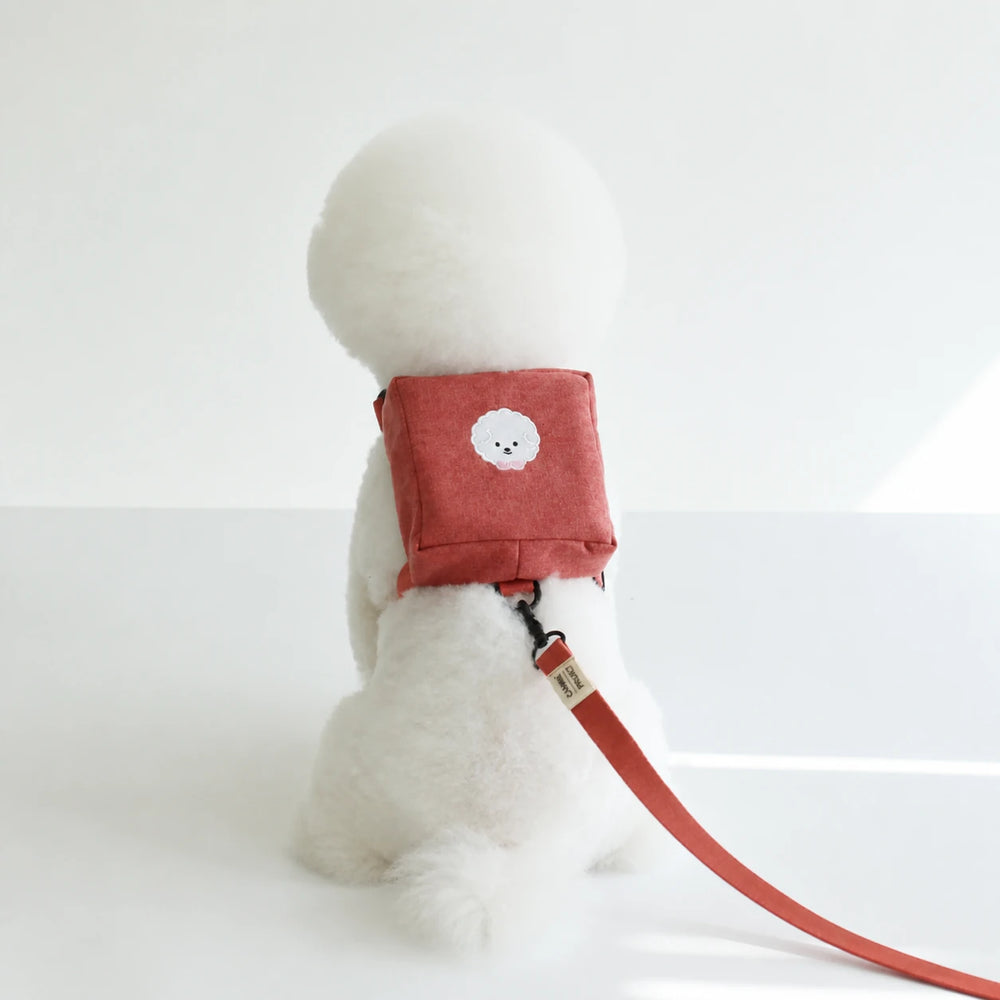
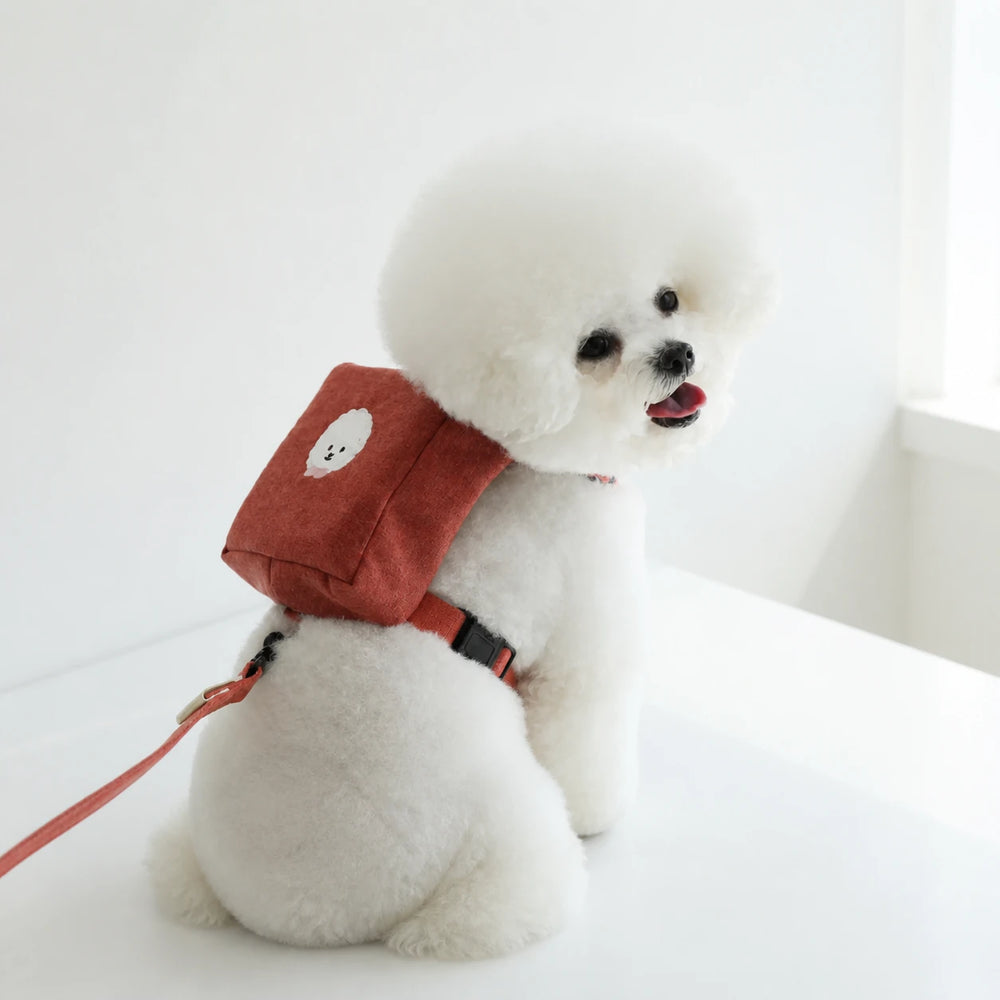
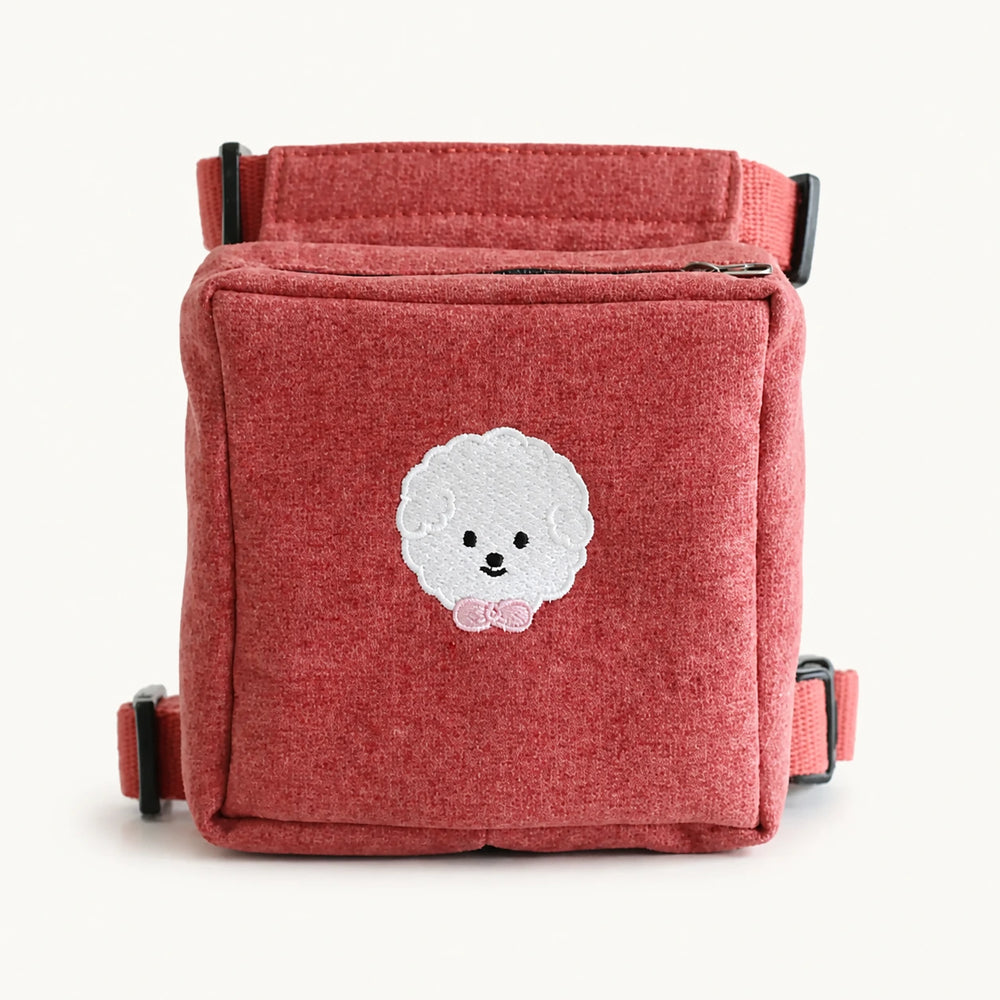
Urban Pet is a walking harness with one small pocket for light essentials. Fit the chest and shoulders first, keep the carry light, and keep your dog on the ground with normal leash control.
Questions Before You Choose
Is this a backpack that carries my dog?
No. Urban Pet is a walking harness with one small storage pocket. Your dog stays on the ground and walks on a normal leash.
Can I fill the pocket for a long outing?
Keep the carry light. The current product information does not give a product-specific load rating, so remove anything that changes the dog’s movement or makes the pocket pull to one side.
Will it fit every small dog?
No. Compare the current size information with the dog’s chest and body shape, then check free shoulder movement and the dog’s response while walking.
The Full Answer
A small dog harness backpack can make a short city walk easier when it carries a few light essentials without turning your dog into a pack animal. The useful question is whether your dog can wear the harness, move naturally, and ignore the pocket while you keep normal leash control.
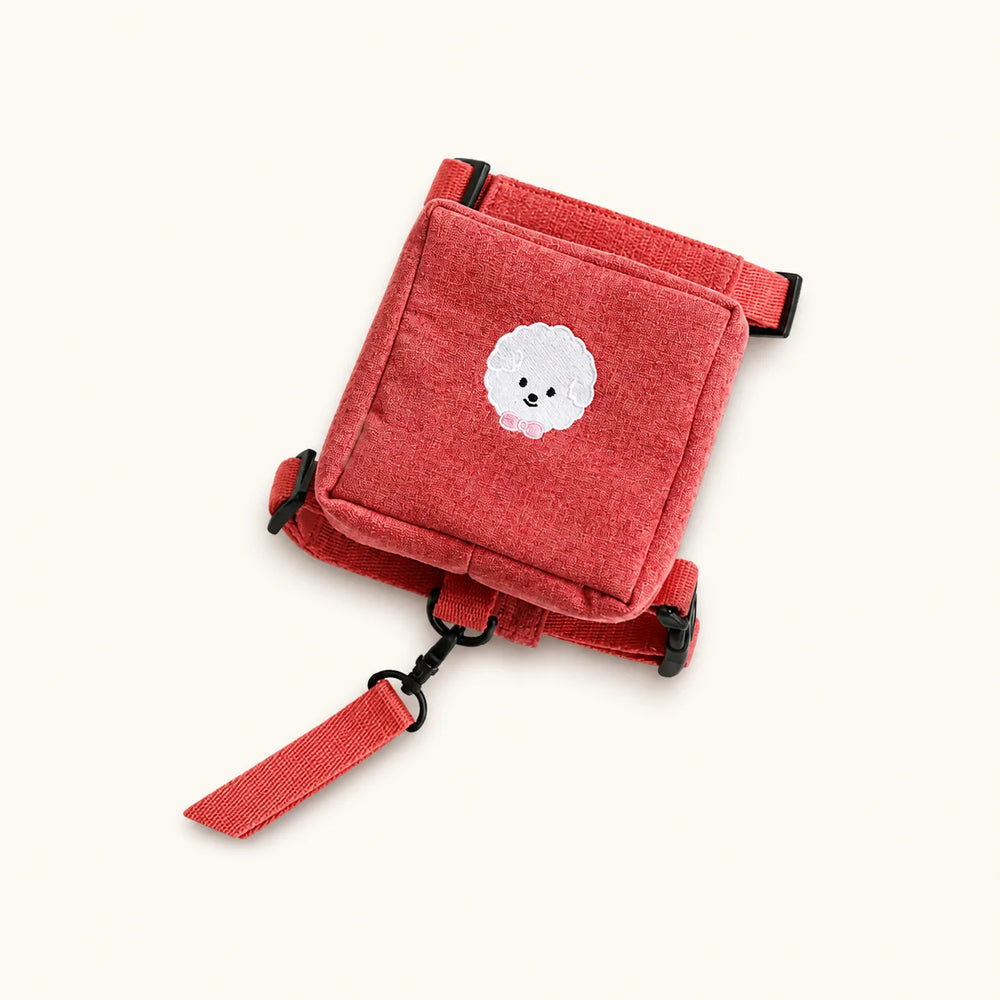
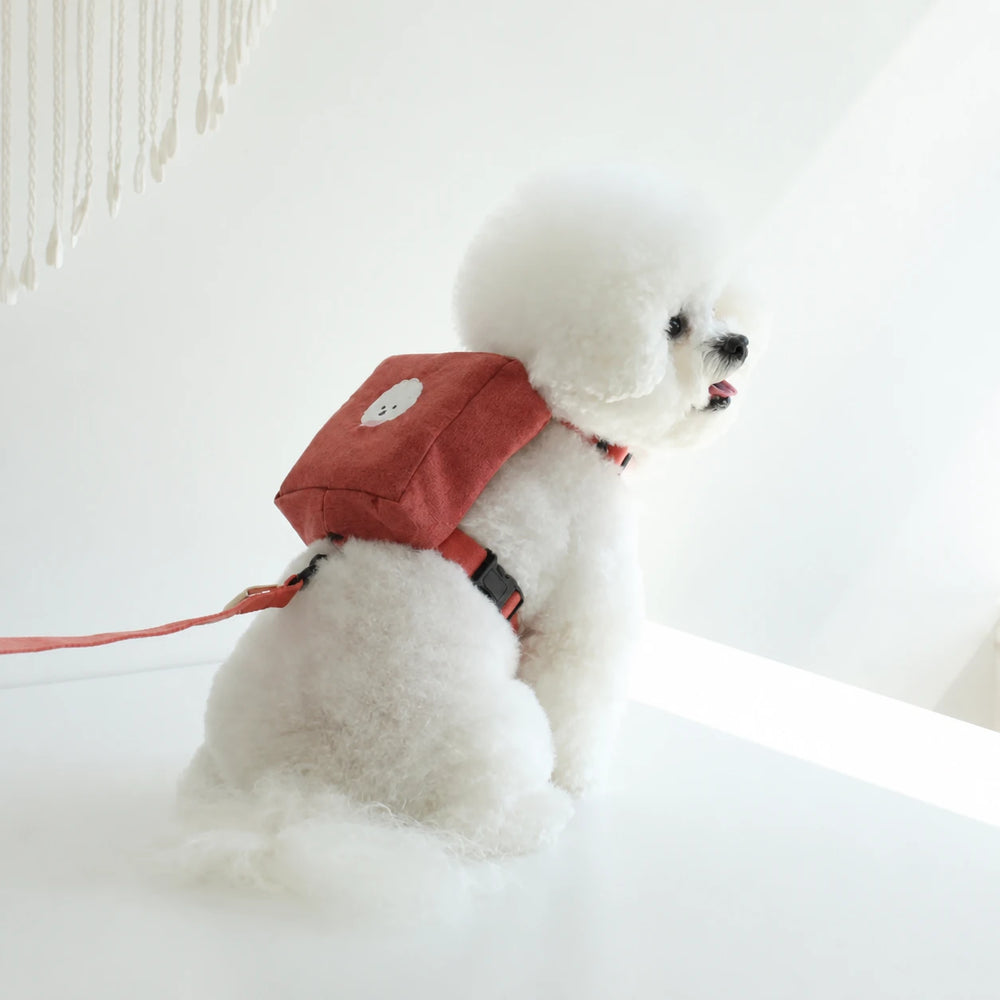
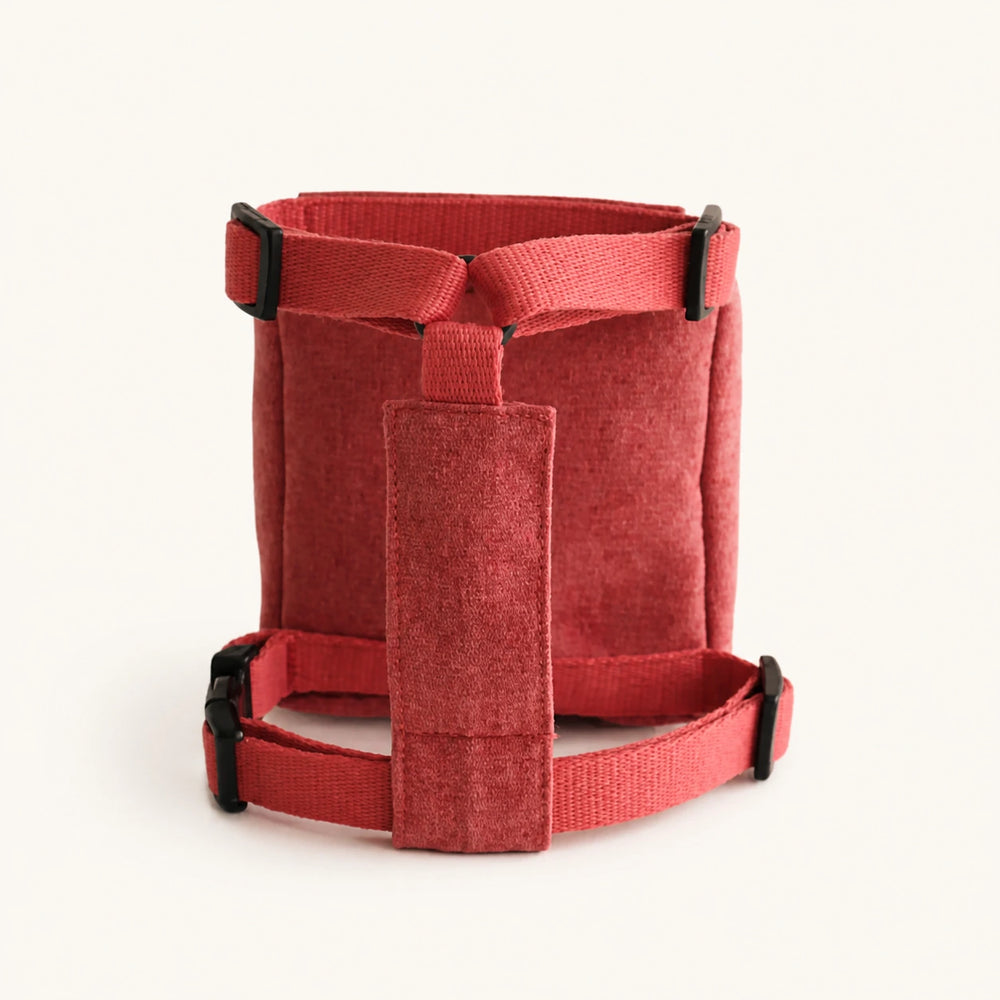
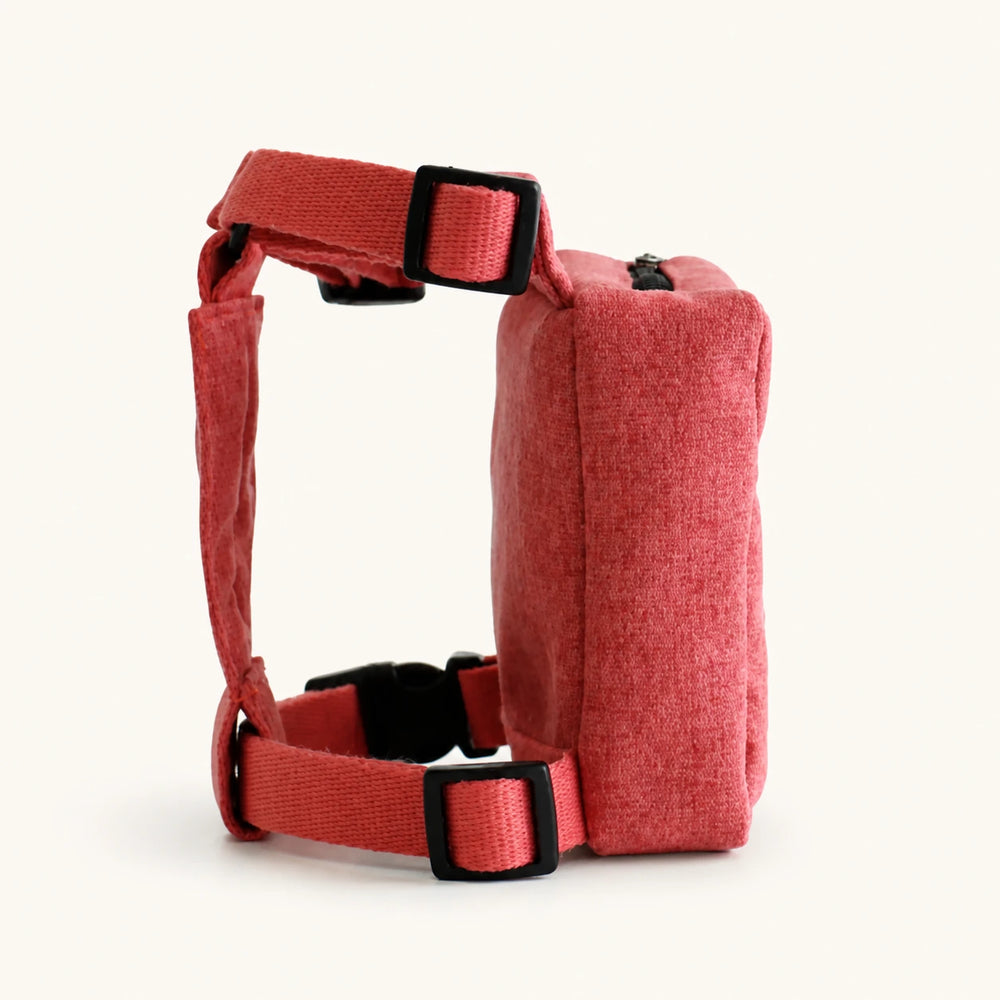
Urban Pet is a walking harness with a small storage pocket. It is not a carrier that holds your dog inside. The current product information positions it for small dogs around 10 to 20 lb, with adjustable Small, Medium, and Large choices, four colors, reflective details, and short walks, park trips, errands, and training loops.

Start with the walk, not the pocket
Picture the route you actually take. A few blocks to the park, a training loop around the neighborhood, or a quick stop at a dog-friendly shop may call for treats, waste bags, keys, or cards. Those items are light and familiar. A rigid object, a full bottle, or anything bulky can press against the dog or change how the harness sits.
The pocket is a convenience for a short outing, not a reason to add weight. Put the dog’s fit first. If the harness rubs, shifts, or changes the dog’s stride when it is empty, adding anything to the pocket only makes the original problem harder to see.
Know what this harness backpack is, and is not
Search results often use “dog backpack carrier” for two very different products. Some backpacks contain the dog and are used for transport. Urban Pet keeps the dog on the ground and adds light storage to a walking harness. That distinction matters for movement, travel planning, and what you can safely carry.
Use a true travel carrier when your dog needs to be contained in a car, on an airline, or in a place where walking is not appropriate. Check the carrier’s own size, security, and travel requirements. Do not place your dog inside the Urban Pet pocket, and do not use the harness as a lifting handle.
Fit the chest and shoulders before packing
Adjust the harness while it is empty. The straps should stay in their intended position without pressing into the neck, armpits, or chest. Your dog should be able to walk, sit, turn, sniff, and take a normal step. A harness that only looks tidy while the dog stands still needs another check.
Run your fingers around the strap areas and watch the dog walk a few steps indoors. Look for short steps, repeated scratching, backing away, a tucked posture, or fabric that moves toward the shoulder joint. These signs do not diagnose a problem, but they tell you to stop, remove the harness, and reassess the fit.
Keep the carry light and balanced
Begin with an empty pocket. Once the dog moves comfortably, add one soft, light item and watch the harness again. A small portion of treats or waste bags may be practical for a short route. Keep keys or cards from pressing into the dog by choosing a separate place for hard objects when possible.
Check whether the pocket pulls to one side, bounces, or changes the way the dog turns. The current product information does not give a product-specific pocket load rating, so do not treat a general backpack rule as Urban Pet’s tested limit. If the dog’s movement changes, remove the item rather than tightening the straps to compensate.
Use reflective details as one part of visibility
Reflective details can add a visibility cue on a shaded route or during an early or late walk. They do not replace a leash, a visible walking path, your attention, or local rules. Keep the dog close enough for normal control and check how the harness looks in the actual light where you plan to use it.
A bright color may also help you spot the harness in a busy park, but color does not change fit. Choose Red, Blue, Yellow, or Gray after the chest and shoulder checks make sense for your dog.
Make city walks easy to pause
Small dogs meet a lot of new sounds, surfaces, people, and dogs in an urban route. Leave room to pause and sniff instead of using the pocket as a reason to hurry. If your dog freezes, tries to back out, keeps scratching at a strap, pants unusually, or refuses to move, stop the walk and remove the added gear.
Short, familiar walks make it easier to tell whether the issue is the harness, the pocket, the route, or something else. A sudden change in gait, breathing, energy, or willingness to walk deserves veterinary advice, especially if it continues after the harness is removed.
Who should choose another setup
A walking harness with storage may not suit a dog who dislikes body gear, can escape from the fit, mouths the pocket, or has a health condition that makes added weight or restraint a concern. Puppies, senior dogs, and dogs with breathing, back, joint, or other medical issues need an individual plan before carrying anything.
A separate walking bag may be the simpler choice when you need to carry heavier objects, keep hard items away from the dog, or adjust your own load without changing the harness. A standard carrier is the better category when your dog must be contained. Choosing another setup is useful information, not a failed walk.
Build a small-dog routine you can repeat
Use the harness empty until the fit looks and feels right. Add only a light item, check balance again, and keep the first route short. Continue watching the dog after a few minutes because a strap or pocket can feel different once the dog starts turning, climbing a curb, or sniffing at ground level.
For the step-by-step introduction, read the first-walk guide. To compare the pocket with a separate bag or true carrier, use the walking-bag comparison. When the harness category fits your route, view the Urban Pet options.
Common Questions
What can go in the pocket?
Treats, waste bags, keys, cards, or another small soft item are examples from the current product information. Keep rigid, sharp, heavy, and bulky objects out when they could press against the dog.
Can I use Urban Pet as a dog carrier?
No. It is walking equipment with light storage, not a compartment for carrying the dog.
What if my dog dislikes it?
Remove the harness, slow the introduction, and reassess the fit. Persistent discomfort, breathing changes, or gait changes need professional advice.
Is It Right for Your Pet?
Compare related questions for this product and use case.
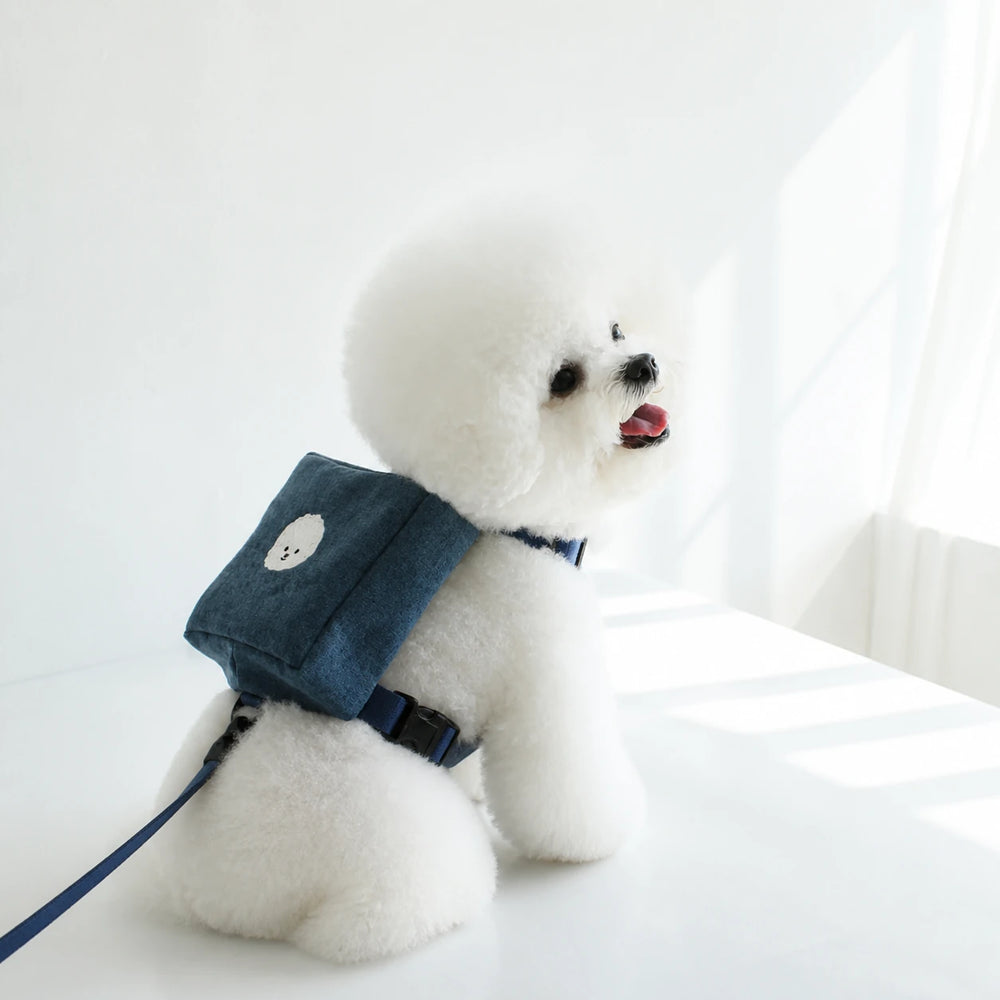
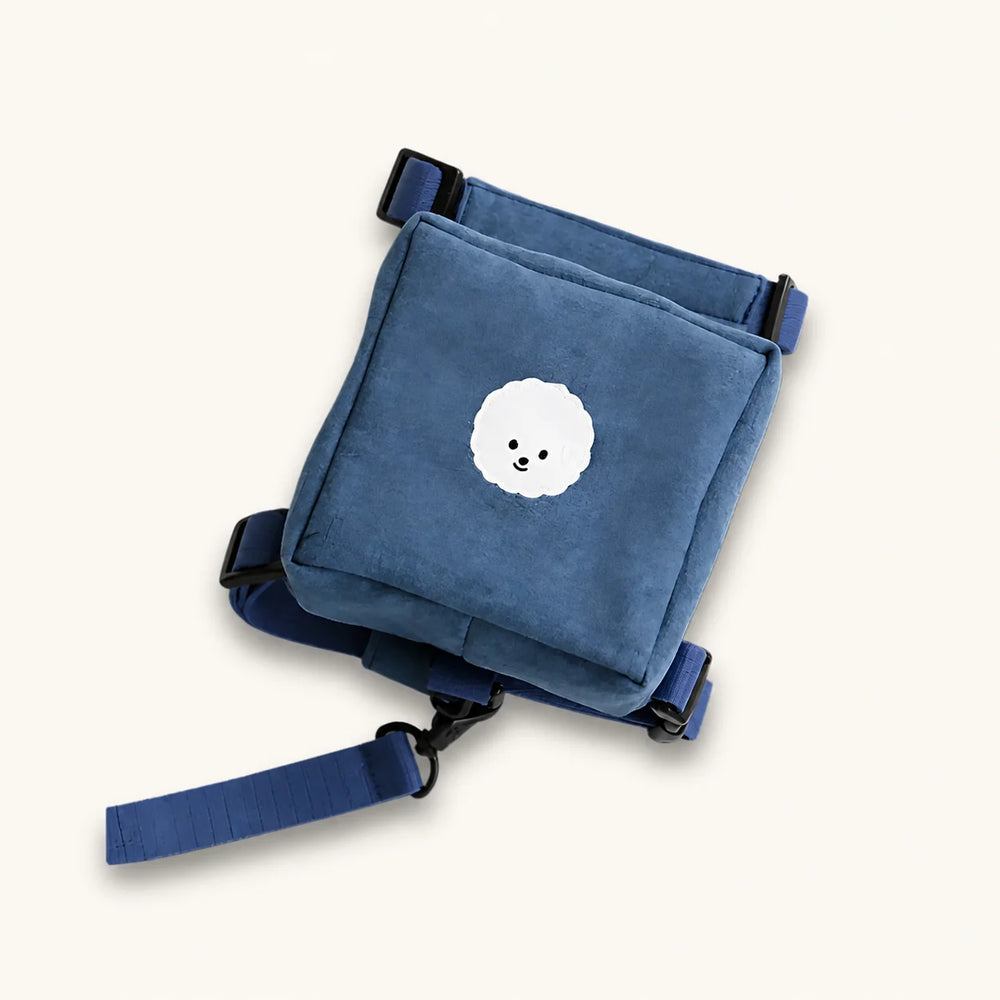
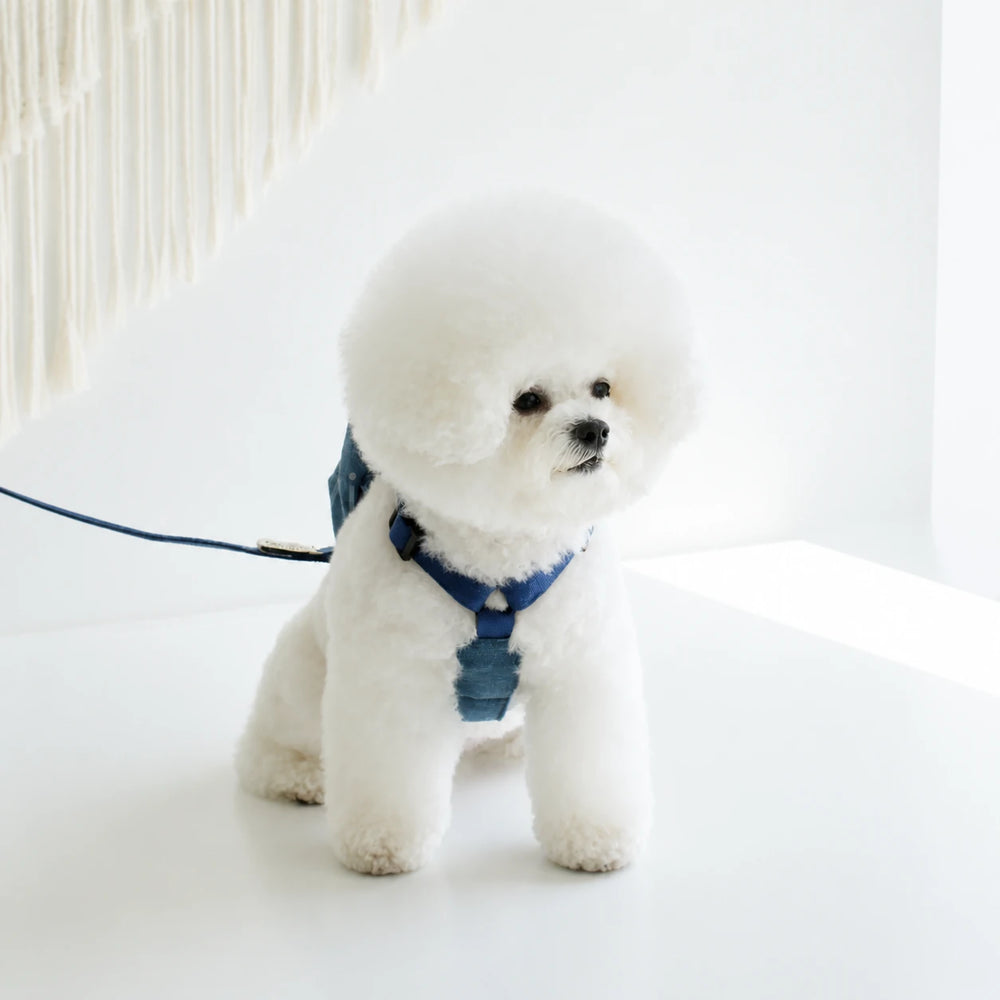
Urban Pet Harness Backpack: Carry-All for Small Dogs
- Dog Harness Backpack
- Pocket for Treats & Bags
- Fits Dogs 10-20 lb
- Balanced Light Carry
