

-

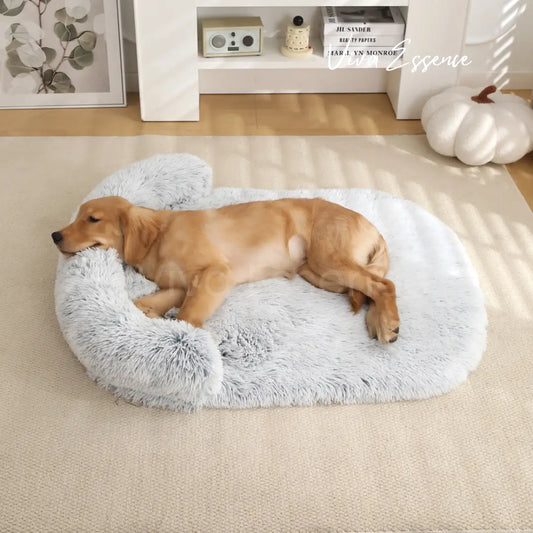 Bespaar 40%
SnuggleSoft kalmerend orthopedisch huisdierenbed
Normale prijs Vanaf $57.95Aanbiedingsprijs Vanaf $57.95 Normale prijsEenheidsprijs per$96.95 -

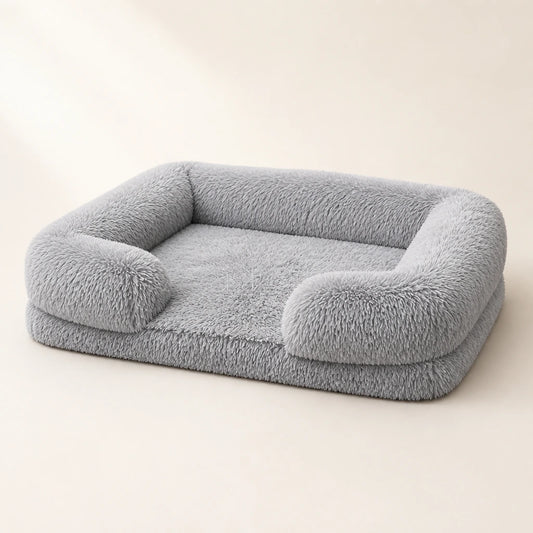 Bespaar 40%
ComfortCradle orthopedisch hondenbed
Normale prijs Vanaf $72.95Aanbiedingsprijs Vanaf $72.95 Normale prijsEenheidsprijs per$121.95 -

 Bespaar 40%
PlushNest orthopedisch huisdierbed
Normale prijs Vanaf $65.95Aanbiedingsprijs Vanaf $65.95 Normale prijsEenheidsprijs per$110.95


Zo vergelijk je ondersteunende bedden
Stem de basis en steunrand af op de slaapstijl van je hond.
Controleer de ondersteuning, het slaapoppervlak, de vorm van de verhoogde rand en de schoonmaakroutine voordat je een bed voor dagelijks gebruik kiest.
-
Ondersteuning
Vergelijk traagschuim, vulling van PP-katoen en zachte ondersteuning zonder uit te gaan van een medisch resultaat
-
Slaapstijl
Zorg voor voldoende ruimte om op te krullen, tegen de rand te leunen, op de zij te slapen of zich voorbij de steunrand uit te strekken
-
Onderhoud
Controleer of de hoes afneembaar is, hoe deze gewassen moet worden, hoe lang het drogen duurt, hoe de naden zijn afgewerkt en hoe goed de basis zijn vorm behoudt
Vergelijk ondersteunende hondenbedden
Deze drie bedden hebben een zacht gevoerde basis met verhoogde randen of zijsteunen, zodat honden ertegenaan kunnen leunen, zich kunnen oprollen en comfortabel kunnen rusten. De materialen en vormen bieden elk een andere ondersteuning. Vergelijk daarom het specifieke bed en beschouw het woord ‘orthopedisch’ niet als een medische belofte.
| Bed | Zichtbare constructie | Geschikt voor |
|---|---|---|
| ComfortCradle Orthopedic Dog Bed | Verhoogde zijsteunen met een ondersteunende laag van eierdoosschuim en een lagere instap aan de voorkant | Honden die graag tegen een rand aan leunen, zich in een dieper bed oprollen of meer ondersteuning nodig hebben dan een dunne mat |
| PlushNest Orthopedic Pet Bed | Een zacht pluchen oppervlak, een gevoerde basis en een duidelijk afgebakende ligplek | Honden die graag tegen een zachte rand aan liggen en de voorkeur geven aan een warm, nestachtig oppervlak om zich op te rollen of languit te liggen |
| SnuggleSoft Orthopedic Calming Pet Bed | Verhoogde pluchen zijkanten met een gevoerde basis en een zacht, nestachtig gevoel | Honden die zich graag strak oprollen, hun kin op een zijsteun leggen of rondjes draaien voordat ze gaan liggen |
Wat ‘orthopedisch’ hier betekent
Binnen deze collectie verwijst ‘orthopedisch’ naar een steviger ondersteunende basis, een zichtbare vulling of schuimconstructie en verhoogde randen waartegen een hond kan leunen. Het betekent niet dat een bed pijn, artritis, IVDD, verwondingen of veranderingen in de mobiliteit kan vaststellen, behandelen of genezen. Als je hond gevoelig reageert, met tegenzin gaat liggen of anders beweegt dan normaal, vraag dan een dierenarts welk type ligoppervlak en welke instap het meest geschikt zijn.
PlushNest is opgenomen vanwege het zachte pluchen oppervlak, de gevoerde basis en de vertrouwde ligplek. Beschouw het als een comfortabel bed, niet als een medisch of therapeutisch product.
Meet op basis van de slaaphouding van je hond
- Meet je hond terwijl hij ontspannen ligt, zowel opgerold als languit.
- Vergelijk die maten met het binnenoppervlak van het bed, niet alleen met de buitenrand.
- Houd extra ruimte vrij voor honden die op hun zij slapen, languit liggen of zich meerdere keren omdraaien voordat ze tot rust komen.
- Controleer de exacte maatopties en de actuele beschikbaarheid op elke productpagina voordat je een keuze maakt.
De maattabel en pasvormgids voor huisdieren kan helpen bij het opmeten. Bekijk voor meer keuze in vormen en seizoensgebonden oppervlakken ook alle bedden voor huisdieren.
Bepaal vóór de eerste nacht waar het bed komt te staan en hoe je het verzorgt
Zet het bed op een vertrouwde plek waar weinig mensen langslopen en geef je hond de ruimte om het zonder druk te verkennen. Zorg dat de basis vlak en stabiel ligt. Verwijder regelmatig losse haren, controleer naden en zijsteunen en volg de specifieke instructies voor het wassen en drogen van de hoes van het gekozen bed.
Bekijk voor meer informatie de verschillende soorten hondenbedden en ligoppervlakken. Als IVDD, pijn of herstel invloed heeft op je keuze voor een bed, lees dan de gids voor beddengoed bij IVDD en volg het advies van je dierenarts. De gids voor mobiliteit bij oudere huisdieren gaat ook in op de inrichting van de ruimte en toegankelijke looproutes.
Kies de ondersteuning en instap die bij je hond passen
ComfortCradle Orthopedic Dog Bed is hier de duidelijkste keuze als je specifiek op zoek bent naar een schuimconstructie: het combineert een laag eierdoosschuim met zijsteunen aan drie kanten en een lagere instap aan de voorkant. Vergelijk die instap met de manier waarop je hond in een bed stapt, vooral als hij door een hoge rand moeilijk tot rust komt.
PlushNest legt de nadruk op een zacht pluchen oppervlak en een comfortabele ligplek. De maten worden vermeld op basis van de diameter, van 50 tot 110 cm. SnuggleSoft biedt een gevoerde basis en verhoogde pluchen zijkanten, met vermelde afmetingen van 55 × 40 cm tot 150 × 100 cm. Kies geen van beide in de veronderstelling dat de vulling identiek is aan het eierdoosschuim van ComfortCradle Orthopedic Dog Bed.
Let erop of je hond zijn kin op een rand laat rusten, tegen een zijkant aanleunt of zich over het midden uitstrekt. Een hoge rand kan aantrekkelijk zijn voor een hond die zich graag oprolt, maar neemt ruimte in die een hond die languit ligt nodig heeft. Let daarom zowel op het slaapoppervlak als op de manier waarop je hond in het bed komt, in plaats van alleen voor de zachtst ogende foto te kiezen.
Controleer de buitenafmetingen en het bruikbare slaapoppervlak afzonderlijk
De maataanduiding vertelt niet hoeveel ruimte er binnen de verhoogde randen overblijft. Dit zijn de vermelde bedafmetingen; vergelijk de maattabel van het afzonderlijke bed en het open slaapoppervlak voordat je een keuze maakt.
| Bed | Maten |
|---|---|
| ComfortCradle | S–XXL: 45 × 40 × 12 cm tot 130 × 90 × 22 cm |
| PlushNest | S–XXL: vermelde diameter van 50–110 cm |
| SnuggleSoft | XS–XXL: vermeld oppervlak van 55 × 40 cm tot 150 × 100 cm |
Waar je op moet letten
ComfortCradle: Totale lengte, breedte en hoogte; lagere instap aan de voorkant; ruimte binnen drie opstaande randen
PlushNest: Diameter en de resterende slaapruimte binnen de zachte randen
SnuggleSoft: Lengte en breedte, verhoogde randen en ruimte om te draaien of zich uit te strekken
Teken vóór je bestelt met een meetlint de benodigde ruimte op de vloer af. Houd de route van het bed naar de waterbak vrij en zorg dat je hond genoeg ruimte heeft om naar de opening toe te lopen en zich om te draaien.
Kies een wasroutine die je kunt volhouden
ComfortCradle heeft een afneembare hoes. Volg het waslabel en houd de schuimvullingen uit de wasmachine. Gebruik voor PlushNest en SnuggleSoft de bijbehorende onderhoudsinstructies voor de hoes, verwijder regelmatig losse haren en laat gewassen stoffen volledig drogen voordat je ze opnieuw gebruikt. Ga er niet van uit dat een wasbare hoes betekent dat het volledig gemonteerde bed in de wasmachine kan.
Een beschermende of antislipbodem is niet hetzelfde als een vloeistofdichte laag rond het hele bed. Als ongelukjes regelmatig voorkomen, controleer dan precies welke onderdelen kunnen worden gereinigd en zorg voor een droge, vervangende ligplek terwijl het beddengoed wordt gewassen. Laat het bed na het uitpakken volgens de aanwijzingen op de verpakking weer volledig in zijn oorspronkelijke vorm komen voordat je de ondersteuning en afmetingen beoordeelt.
Veelgestelde vragen
Hoe kies ik tussen deze orthopedisch vormgegeven hondenbedden?
Kijk eerst naar de slaaphouding van je hond en de gewenste hoogte van de rand. Vergelijk vervolgens het materiaal van de basis, het bruikbare binnenoppervlak, het onderhoud van de hoes en of je hond graag tegen een rand aan oprolt of zich over een groter oppervlak uitstrekt.
Zijn orthopedische hondenbedden medische hulpmiddelen?
Nee. Dit zijn comfortproducten met een ondersteunende constructie. Ze stellen geen diagnose en behandelen geen pijn, artrose, IVDD, letsel of mobiliteitsproblemen.
Gebruikt elk bed hetzelfde ondersteunende materiaal?
Nee. ComfortCradle heeft een ondersteunende laag van eierdoosschuim. SnuggleSoft combineert een gewatteerde basis met verhoogde, zachte randen, terwijl PlushNest een zacht oppervlak en een gewatteerde ligplek biedt. Vergelijk de constructie, het slaapoppervlak en de onderhoudsinstructies van elk afzonderlijk bed in plaats van ervan uit te gaan dat ze dezelfde vulling hebben.
Kan ik beter een grotere maat kiezen voor een hond die zich graag uitstrekt?
Vaak wel. Meet je hond in zijn langste ontspannen houding en vergelijk die maat met het bruikbare slaapoppervlak binnen de rand. Kies voldoende ruimte zodat je hond zich kan omdraaien en comfortabel kan gaan liggen zonder krap te liggen.
Kan ik het hele bed in de wasmachine wassen?
Controleer de onderhoudsinstructies van het afzonderlijke bed. ComfortCradle heeft een afneembare hoes en de schuimvullingen mogen niet in de was. Aanwijzingen voor een wasbare hoes betekenen niet dat het volledig gemonteerde bed in de wasmachine kan.
Komen de vermelde afmetingen overeen met het slaapoppervlak binnen de randen?
Ga daar niet zomaar van uit. Vergelijk de vermelde afmetingen van het bed met de maattabel en de ligruimte binnen de verhoogde randen. Zorg dat je hond in zijn gebruikelijke slaaphouding genoeg ruimte heeft om zich om te draaien en uit te strekken.
Gidsen over de pasvorm, vergelijking en mobiliteit van hondenbedden
Houd bij je keuze rekening met de slaaphouding, de inrichting van de ruimte, de onderhoudsbehoeften en professioneel advies wanneer pijn of veranderde mobiliteit een rol speelt.
- Vergelijken
Hondenbedden vergelijken
Vergelijk koeloppervlakken, matten en ondersteuning in orthopedische stijl op basis van comfort, gebruik en onderhoud.
Bedtypes vergelijken - Herstel
Beddengoed tijdens het herstel van IVDD
Bekijk de stabiliteit, toegankelijkheid en inrichting van de slaapplaats en volg bij IVDD of pijn het advies van je dierenarts.
Gids lezen - Mobiliteit
Gids voor de mobiliteit van oudere huisdieren
Stem de slaapplaats, looproutes en inrichting van de ruimte af op de manier waarop je huisdier zich thuis beweegt.
Gids openen