

-

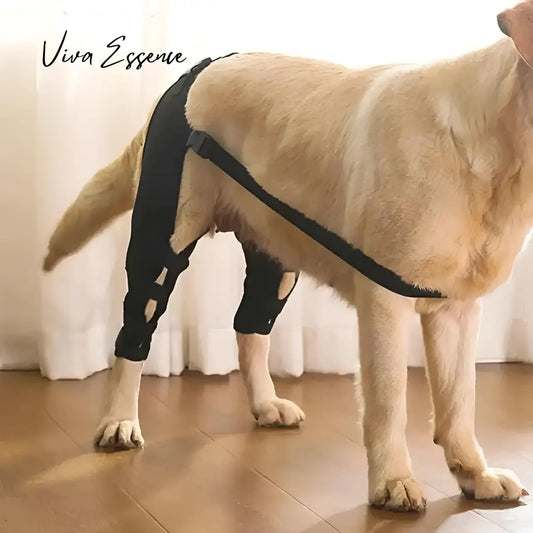 Risparmia 41%
Tutore per ginocchio e gamba per cani ProCare
Prezzo di listino Da $29.95Prezzo scontato Da $29.95 Prezzo di listinoPrezzo unitario per$50.95 -

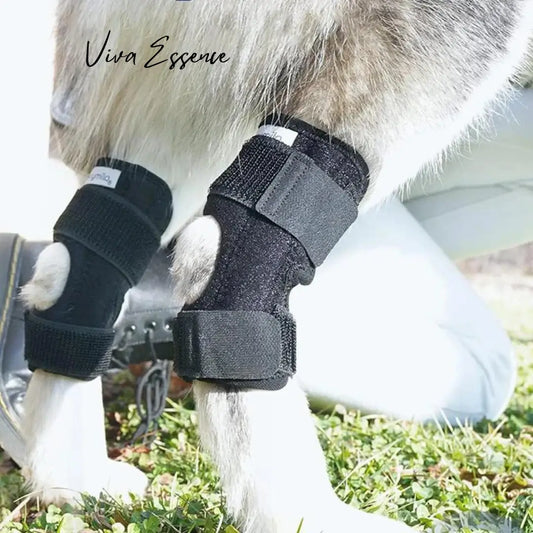 Risparmia 40%
Tutore per garretto canino ProCare per il supporto articolare
Prezzo di listino Da $28.95Prezzo scontato Da $28.95 Prezzo di listinoPrezzo unitario per$48.95 -

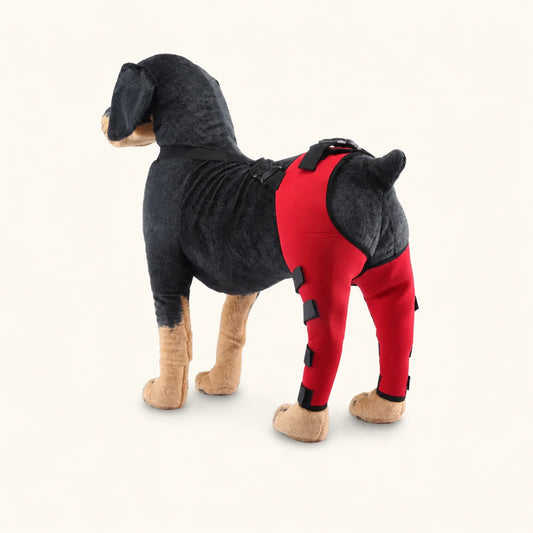 Risparmia 41%
Tutore regolabile per la zampa del cane ProCare
Prezzo di listino Da $29.95Prezzo scontato Da $29.95 Prezzo di listinoPrezzo unitario per$50.95


Come scegliere un tutore
Inizia dalla zona del corpo e scegli una misura precisa.
Usa la zona del tutore, l’intervallo di taglie e la routine di movimento per restringere la scelta prima della prima prova supervisionata.
-
Zona del corpo
Scegli un supporto per ginocchio/zampa, garretto o zampa anteriore/posteriore
-
Vestibilità
Misura seguendo la tabella collegata; non scegliere in base alla razza o al peso
-
Routine
Introducilo gradualmente e controlla comfort, cinghie, pelle e movimento
Confronta i tre tipi di tutore
Confrontare i tutori per zampe di cane è più semplice partendo dalla zona in cui si trova il supporto. Questa collezione riunisce tre tipologie distinte: un tutore per ginocchio e zampa da scegliere in base alle misure, un tutore specifico per il garretto e un tutore regolabile per la zampa con dettagli riflettenti, da usare durante passeggiate supervisionate.
| Tipo di tutore | Scegli questa opzione se cerchi | Dettagli su vestibilità e utilizzo |
|---|---|---|
| Tutore per ginocchio e zampa | Supporto basato sulle misure per il ginocchio o per una routine generale della zampa | XS–L; nero o blu; cinghie regolabili; brevi spostamenti sotto supervisione |
| Tutore per garretto | Supporto per la zona del garretto della zampa posteriore, anziché per la zampa in generale | S–L; disponibile singolarmente o in coppia; misura la zona di applicazione e controlla pelle, pelo e punti di sfregamento |
| Tutore riflettente per zampa | Supporto regolabile per la zampa anteriore o posteriore, con dettaglio riflettente per una maggiore visibilità | XS–L; nero, rosso o blu; dettaglio riflettente; brevi passeggiate sotto supervisione |
Prendi le misure prima di ordinare
- Individua prima la zona interessata: ginocchio e zampa, garretto posteriore oppure zampa anteriore o posteriore.
- Usa la tabella delle misure specifica per il prodotto, invece di scegliere basandoti soltanto su razza, età o peso. La guida alla vestibilità del tutore per ginocchio del cane spiega quali misure prendere.
- Controlla l'intervallo di taglie, la posizione delle cinghie e se il tutore per garretto è disponibile singolarmente o in coppia.
- Organizza una prova dei movimenti in casa prima di una passeggiata più lunga o dell'uso abituale.
Inserisci il tutore gradualmente
Inizia con una prova breve e tranquilla in un ambiente familiare. Osserva come il cane cammina, si siede, si gira e si rilassa. Dopo i primi minuti, controlla le cinghie e la pelle e il pelo intorno ai punti di contatto; rimuovi il tutore se sfrega, si sposta o provoca un evidente disagio. La routine per abituare il cane al tutore propone una sequenza iniziale più graduale.
Per confrontare i tutori in base alla zona del corpo, consulta la guida al garretto, al ginocchio e alla zampa . Per una preparazione domestica più completa, scopri il supporto per articolazioni e mobilità e la guida alla mobilità degli animali anziani.
Scegli la forma del tutore prima della taglia
Il tutore ProCare per ginocchio e zampa utilizza cinghie regolabili avvolgenti ed è disponibile nelle taglie XS, S, M e L, in nero o blu. Quando vuoi confrontare questa forma di supporto, parti dalla tabella delle misure specifica del prodotto. Una cinghia può perfezionare una vestibilità corretta, ma non può rendere adatta una taglia o una posizione non idonea.
Il tutore ProCare per garretto è sagomato per la zona del garretto della zampa posteriore ed è disponibile nelle taglie S, M e L. Puoi sceglierlo singolarmente o in coppia, quindi la quantità è una scelta separata dalla taglia. Controlla quale zampa o quali zampe saranno coinvolte nella routine prevista, senza presumere che la coppia sia sempre l'acquisto più adatto.
Il tutore riflettente ProCare per zampa è adatto alla zampa anteriore o posteriore ed è realizzato in SBR con cinghie riflettenti regolabili. La guida alla vestibilità utilizza le misure da A a D: confronta questi punti di controllo per la zampa su cui verrà indossato. È disponibile nelle taglie XS–L e nei colori nero, rosso o blu. Il dettaglio riflettente migliora la visibilità, ma non è un motivo per scegliere questa forma al posto di un tutore specifico per il garretto.
Registra le misure in modo utile
Annota insieme il nome del prodotto, la zampa interessata, i punti in cui hai preso le misure, i valori e le unità di misura. Mantieni la posizione del metro sempre uguale quando verifichi una misura una seconda volta e usa la tabella relativa a quello specifico prodotto. Una taglia M di un tutore non dimostra che un'altra taglia M sia adatta.
Se il risultato è intermedio, confronta ogni punto di controllo invece di scegliere basandoti soltanto sulla misura più grande. Se la vestibilità non è ancora chiara, comunica le misure e descrivi con precisione la posizione prevista al servizio clienti. In caso di dolore, lesioni, gonfiore o di un piano di cura veterinaria, verifica il ruolo del supporto con il professionista che segue il tuo animale prima di scegliere la forma del tutore.
Valuta la prima vestibilità osservando i movimenti, non la tensione delle cinghie
Inizia su una superficie interna familiare. Fissa il tutore senza stringere, lascia che il cane stia in piedi e faccia alcuni passi naturali, quindi controlla che rimanga allineato quando si gira o si siede. Riposizionalo prima di stringere una cinghia che scivola e modifica una regolazione alla volta.
Dopo aver tolto il tutore, controlla l’area a contatto e le cinghie. Se il tutore continua a ruotare, a fare pieghe o induce il cane a mordicchiarlo ripetutamente, è necessario verificare la vestibilità anziché prolungare il periodo di prova. Utilizzalo sempre sotto supervisione e segui le istruzioni per la cura del singolo prodotto. Il tutore per ginocchio e gamba indica un lavaggio delicato in acqua fredda e l’asciugatura all’aria; non dare per scontato che queste istruzioni valgano per tutti i tutori della collezione.
Domande frequenti
Come scelgo tra un tutore per ginocchio e gamba e un tutore per il garretto?
Parti dalla zona del corpo indicata dal prodotto e prendine le misure seguendo la relativa tabella. Il tutore per ginocchio e gamba offre una soluzione regolabile più versatile; quello per il garretto è sagomato per la zona posteriore del garretto ed è disponibile singolarmente o in coppia.
Devo acquistare un tutore singolo per il garretto o una coppia?
Il prodotto per il garretto offre entrambe le opzioni. Scegli in base alle misure rilevate e alla routine che intendi supportare, seguendo anche le indicazioni già fornite dal tuo team veterinario quando il tutore fa parte di un piano di assistenza.
Come deve iniziare il mio cane a indossare un tutore per la gamba?
Inizia in casa con una breve sessione sotto supervisione. Controlla i movimenti, la posizione delle cinghie, la pelle e il pelo, aumentando gradualmente l’utilizzo solo se il cane rimane a suo agio. Interrompi l’uso se compaiono sfregamenti o evidenti segni di disagio e chiedi indicazioni a un professionista qualificato.
Posso usare la stessa taglia per tutti e tre i tutori?
No. Consulta la tabella delle misure del tutore specifico. Il tutore per il garretto è disponibile nelle taglie S–L, mentre i tutori per ginocchio e gamba riflettente vanno da XS–L; la corrispondenza delle lettere non garantisce misure uguali.
Devo stringere il tutore se continua a scivolare?
Controlla prima la taglia scelta inizialmente e il posizionamento. Regola una cinghia alla volta, mantenendo una vestibilità aderente ma senza stringere troppo, quindi osserva alcuni passi naturali. Se il tutore continua a spostarsi o provoca disagio, è necessario verificare la vestibilità anziché stringere progressivamente le cinghie.
Risorse su vestibilità e movimento dei tutori
Prima di confrontare i supporti per ginocchio, garretto e zampa, consulta le indicazioni sulla vestibilità e sull’introduzione graduale.
- Guida
Vestibilità e misurazione del tutore per ginocchio del cane
Controlla le misure del corpo e i punti di posizionamento prima di scegliere la taglia.
Leggi la guida - Confronto
Tutore per garretto e tutore per ginocchio o zampa
Confronta i tre tipi di tutore in base alla zona del corpo e alla posizione delle cinghie.
Confronta le funzioni - Routine
Come introdurre un tutore per la zampa del cane
Inizia in casa, limita la prima sessione e controlla movimento e comfort.
Scopri la routine