

-

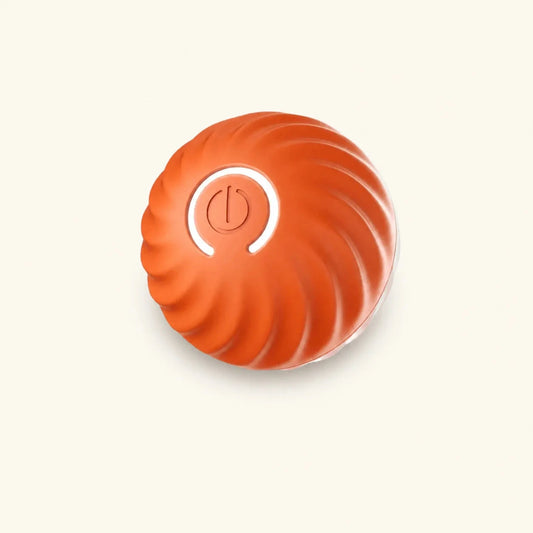 Économisez 34%
Boule Interactive Intelligente IntelliRoll
Prix habituel Du $29.95Prix soldé Du $29.95 Prix habituelPrix unitaire par$45.95 -

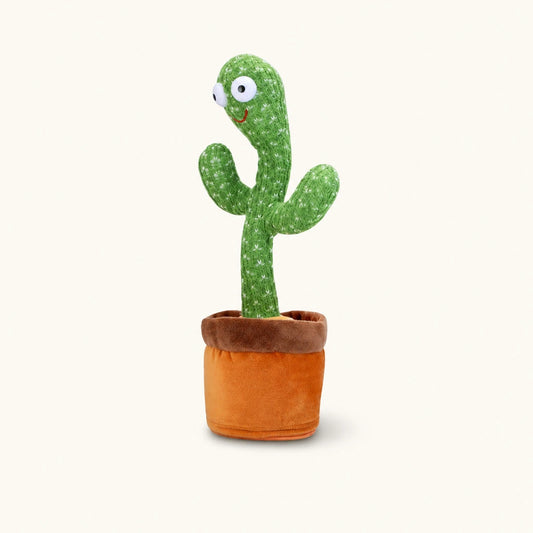 Économisez 23%
Jouet Cactus Dansant WigglePaws
Prix habituel $34.95Prix soldé $34.95 Prix habituelPrix unitaire par$45.95 -

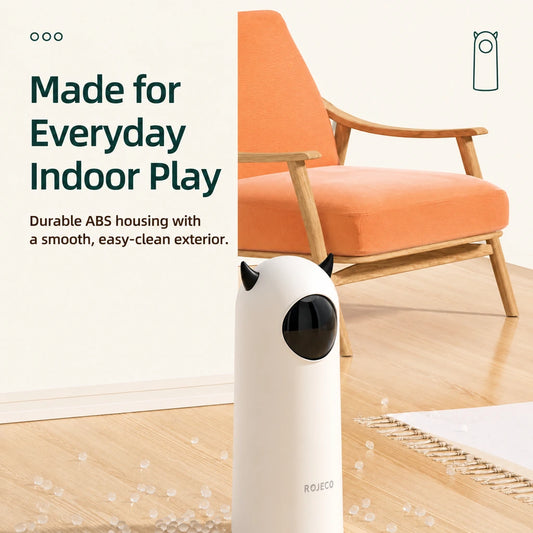 Économisez 30%
Jouet laser automatique pour chat WhiskerPlay
Prix habituel $67.95Prix soldé $67.95 Prix habituelPrix unitaire par$97.95


Trouvez le style de jeu adapté
Adaptez le jouet aux réactions de votre chat.
Certains chats courent après la lumière, d’autres traquent les mouvements roulants et d’autres encore s’intéressent aux sons. Commencez par le style de jeu que votre chat apprécie déjà, puis vérifiez l’emplacement, l’alimentation et la surveillance.
-
Style de jeu
Comparez les jeux de poursuite de la lumière, les mouvements roulants et les jeux originaux guidés par le son
-
Aménagement de la pièce
Installez le laser de manière stable, prévoyez un sol dégagé pour la balle ou libérez suffisamment d'espace autour du cactus
-
Routine
Commencez par de courtes séances, observez la réaction de votre chat et rangez les jouets électroniques après le jeu
Comparez trois styles de jeu interactif
Les chats ne réagissent pas tous au même type de mouvement. Cette collection réunit un laser automatique, une balle roulante rechargeable et un cactus dansant avec sons et mouvements. Choisissez le style que votre chat remarque déjà, puis vérifiez l’espace disponible, l’alimentation et vos habitudes de surveillance.
| Style de jouet | Fonctionnalités proposées | Pour commencer |
|---|---|---|
| Jouet laser automatique | Modes rapide, lent et manuel ; câble USB ou 4 piles AA ; fonctionnement silencieux | Une installation stable, un parcours au sol ou au mur éloigné des yeux, de courtes séances sous surveillance et un jouet que votre chat peut attraper pour terminer |
| Balle roulante intelligente | Balle rechargeable capable de filer, de s’arrêter et de changer de direction pendant les jeux fondés sur le mouvement | Un sol dégagé, une batterie complètement chargée et une première présentation en douceur, à une distance confortable |
| Jouet cactus dansant | Sons, mouvements dansants, imitation de la voix, musique et recharge USB | Un espace intérieur dégagé, un démarrage à quelques pieds de distance, une courte séance sous surveillance et un rangement au sec après utilisation |
Choisissez selon la réaction de votre chat
- Commencez par la réaction que vous observez déjà. Un chat qui suit la lumière préférera peut-être le laser. Un chat qui traque les objets en mouvement préférera peut-être la balle roulante. Un chat qui s’approche lorsqu’il entend des sons et voit des mouvements s’intéressera peut-être au cactus.
- Prévoyez suffisamment d’espace pour que le jouet puisse fonctionner. Placez le laser sur une surface stable, utilisez la balle sur un sol dégagé et libérez l’espace autour du cactus dansant.
- Présentez le mouvement ou le son à une distance confortable. Laissez votre chat observer avant de rapprocher le jouet.
- Faites durer la première séance peu de temps. Arrêtez si votre chat recule, se montre frustré ou commence à mordiller le jouet électronique.
Prévoyez des séances de jeu électronique sous surveillance
Le jouet laser est conçu pour de courtes séances sous surveillance. Éloignez le faisceau des yeux et terminez avec une canne à pêche, une balle, un jouet à mordre ou un autre jouet que votre chat peut attraper. La balle roulante est un jouet interactif, et non un jouet à mâcher que l’on laisse sans surveillance. Utilisez-la sur un sol dégagé et vérifiez son état après un jeu mouvementé. Le cactus est également conçu pour de courtes séances sous surveillance ; gardez ses composants électroniques au sec et rangez-le si votre chat l’attrape, le secoue ou le mordille.
Pour une routine plus complète, consultez le guide d’activités pour chat d’intérieur, consultez le guide d’utilisation sûre du laser automatique ou essayez la routine d’exercice en intérieur avec des jouets pour chat.
FAQ
Quel jouet interactif choisir pour mon chat ?
Commencez par le type de mouvement que votre chat suit déjà. Comparez la poursuite d’une lumière, une cible roulante et des sons accompagnés de mouvements dansants. Vérifiez ensuite l’espace nécessaire pour chaque jouet et la réaction de votre chat pendant une courte première séance.
Comment ces jouets interactifs pour chat sont-ils alimentés ?
Le laser automatique fonctionne avec un câble USB ou 4 piles AA. La balle roulante intelligente est rechargeable. Le cactus dansant se recharge par USB.
Ces jouets sont-ils silencieux ?
Le produit laser automatique indique un fonctionnement silencieux. Le cactus dansant est un jouet qui associe sons et mouvements. Le produit balle roulante ne précise pas son niveau sonore ; choisissez-le donc pour ses mouvements et l’espace dont il a besoin, plutôt que sur la base d’une affirmation de silence non vérifiée.
Mon chat peut-il utiliser ces jouets sans surveillance ?
Utilisez ces jouets électroniques dans le cadre de séances de jeu sous surveillance. Les recommandations concernant le laser et le cactus préconisent de courtes séances surveillées, tandis que la balle roulante est présentée comme un jouet interactif et non comme un jouet à mâcher que l’on laisse sans surveillance.
Guides de jeux interactifs
Utilisez ces guides pour organiser une courte routine en intérieur et faciliter la fin des séances de jeu au laser avec un jouet que votre chat peut attraper.
- Guide
Enrichissement pour chat d’intérieur
Créez une routine autour de l’activité physique, du grattage, de l’escalade, des jeux alimentaires et du repos.
Découvrir le guide - Sécurité
Guide d’utilisation sûre d’un laser automatique
Choisissez une trajectoire stable, éloignez le faisceau des yeux et terminez par un jouet que votre chat peut attraper.
Lire le guide de routine